
Tariffs have always been part of international trade, but their impact has grown dramatically in recent years. For many small and mid-sized businesses, tariffs now represent one of the largest hidden costs in their supply chain. What makes this issue even more complicated is that tariff law is not static. It changes based on presidential authority, emergency powers, international disputes, and legal challenges from companies that fight back when the financial burden becomes too heavy.
One of the most important examples right now is Costco’s lawsuit against the Trump administration. Costco argues that emergency tariff powers were used in ways that exceed legal authority under the International Emergency Economic Powers Act, also known as IEEPA. That lawsuit is not simply a political headline. It is a direct warning to importers and distributors across the country.
The biggest message is not about who is right or wrong. The real lesson lies in how tariffs are administered, how refund rights work, and why timelines matter far more than most business owners realize.
Many importers assume that if a tariff is later overturned or declared unconstitutional, they will automatically receive refunds. Unfortunately, that assumption is incorrect. A little-known process called liquidation makes most refunds impossible once Customs finalizes the duties owed on an entry. Costco’s lawsuit is a race against that liquidation deadline. It has nothing to do with publicity and everything to do with preserving refund rights.
If an industry giant like Costco must fight to protect refunds, small businesses cannot afford to ignore the risks. In this guide, we explain why liquidation is critical, the steps importers must take now, and how companies can use legal strategy to reduce tariff exposure before it becomes a permanent loss.
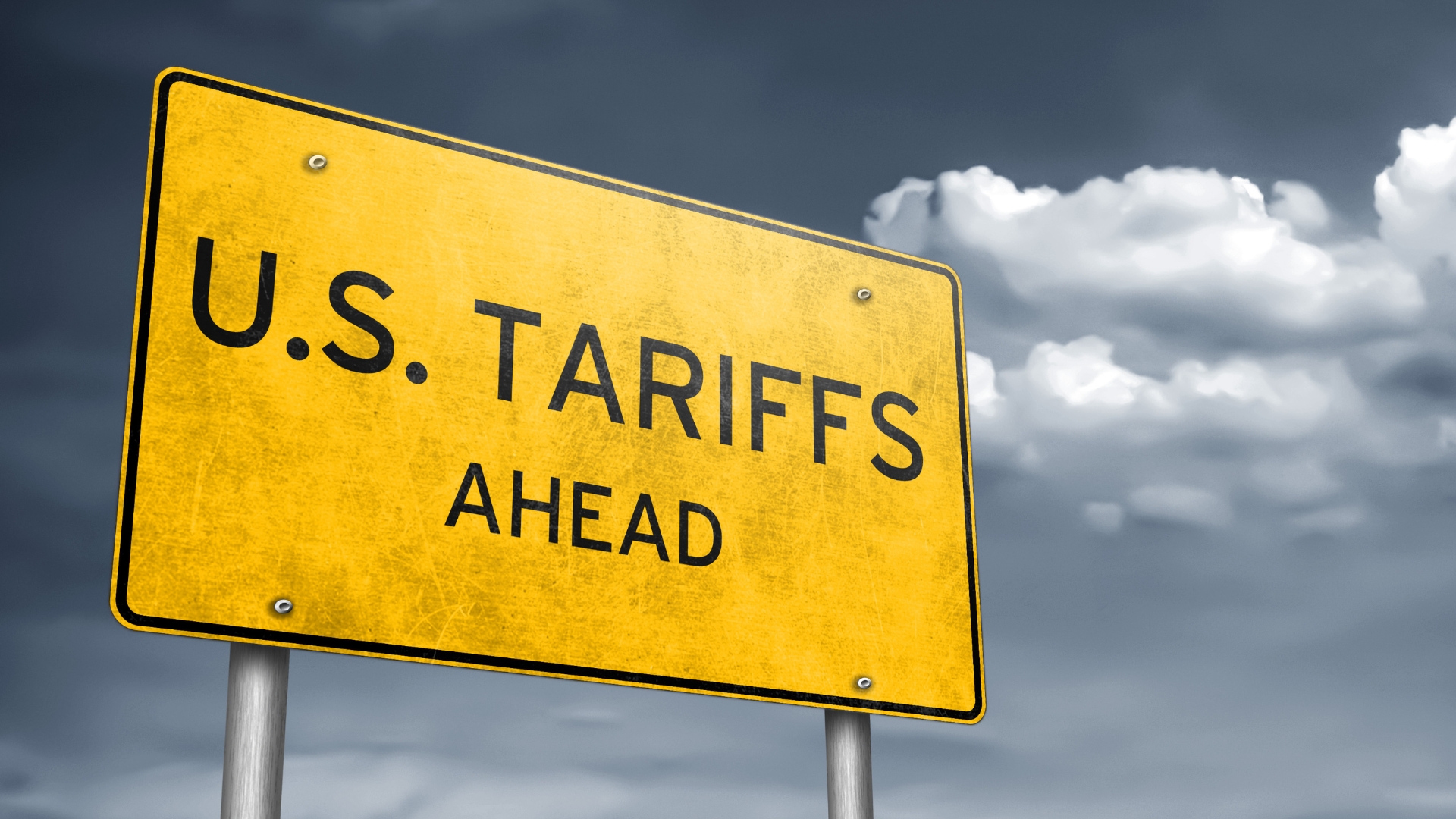
The Hidden Trap in Tariff Law That Most Importers Never Notice
Tariffs grab headlines because they affect political strategy and international diplomacy, but the real impact is financial. Businesses pay these duties long before the courts decide whether the tariffs were lawful. That means companies often bear the cost upfront and only have a chance at recovery later if they understand the process and act quickly.
The Role of Liquidation
U.S. Customs and Border Protection, also known as CBP, finalizes duty calculations using a process called liquidation. Despite the dramatic name, liquidation is simply the point at which CBP makes the duties final. Once an entry liquidates, refund opportunities narrow to a small set of exceptions.
What makes liquidation so serious is the timeline. CBP liquidates most entries on a fixed schedule: roughly 314 days after the merchandise enters the United States. That number is not widely discussed, and many importers do not track it. Yet that timeline determines whether a business will be able to recover tariff payments if a court later rules those tariffs unlawful.
For example, imagine an importer that brings in furniture from Vietnam. The shipment arrives on January 1. The importer pays the duties required at entry because that is the law at the time. But if those duties are later ruled invalid, the importer may owe no tariffs at all. If the entry has already liquidated, however, the refund is almost always lost.
Many companies learn this too late. By the time they pay attention to the legal debate around tariffs, months have passed, entries have liquidated, and refund rights are gone.
Why Costco Filed Its Lawsuit
Costco is not suing simply to challenge policy. It is suing to stop liquidation. The company wants to preserve its ability to receive refunds if the court agrees that emergency powers were misused. In other words, Costco is not gambling on the outcome of the lawsuit. It is making sure that if the law is struck down, it can still reclaim what it paid.
Small businesses rarely take this approach. Many rely on internal teams or freight forwarders to manage tariff issues. Few track liquidation or consider litigation as a tool to preserve refund rights. This oversight becomes expensive. Tariffs collected last year totaled more than 195 billion dollars, and a large portion of those duties came from small and mid sized companies that had no strategy for recovery.
Why Liquidation Should Matter to Every Importer
Think of liquidation as a countdown clock. The clock begins the moment goods enter the country. If a business does nothing, the clock runs out, and refund rights disappear automatically. This happens even if the tariff is illegal. It also happens even if other companies later receive refunds.
This system puts responsibility on the importer. CBP does not notify businesses of liquidation deadlines. No government agency warns companies that their refund window is closing. The only protection comes from internal discipline, legal strategy, and timely filings.
The Six Critical Steps Every Importer Must Take to Protect Tariff Refund Rights
To navigate these challenges, companies must adopt a structured approach. The following six steps form a complete protection strategy. They are based on both legal requirements and practical realities. Each step helps avoid the financial losses that thousands of companies experience every year due to missed deadlines or lack of planning.
Step One: Track Liquidation Dates
The most important action a business can take is to track liquidation deadlines for every entry. That means building a calendar, monitoring CBP messages, and keeping a clear log of estimated liquidation dates. This simple task prevents one of the most costly mistakes in international trade.
Businesses often assume that freight forwarders track these deadlines. In most cases, they do not. Forwarders handle logistics, not legal strategy. Importers must maintain their own system or partner with legal counsel who can track liquidation as part of a compliance program.
Step Two: File Protests Using Customs Form 19
If an entry has already liquidated, but it occurred within the last 180 days, the importer may still file a protest. This protest asks CBP to review the calculation of duties and determine whether the tariff was properly applied. Filing a protest does not guarantee a refund, but it preserves the argument and keeps the issue alive.
A protest often becomes the difference between receiving a refund and losing the right permanently. Without it, even valid claims are denied.
Step Three: Consider Filing a CIT Lawsuit or Joining a Me Too Action
The Court of International Trade is the venue for tariff challenges. Filing a lawsuit with the court suspends liquidation. This means the entries stay open until the legal debate concludes. Companies that do not file or join similar actions lose their rights when liquidation occurs.
Many businesses assume lawsuits are only for large corporations. That is not true. Small businesses often join group or me too actions, which make the process faster and more affordable. Costco’s lawsuit is an example of a primary challenge. Smaller companies frequently file related cases that depend on the outcome. This preserves refund rights without requiring the business to lead the litigation.
Step Four: Request Extensions of Liquidation
CBP may grant extensions when businesses need more time to evaluate legal options. Extensions are not guaranteed, but they are often granted. The key is to request them before liquidation occurs.
Extensions give companies a breathing period to determine whether they should join litigation, file a protest, or take other protective action.
Step Five: Update Supplier Contracts
Tariffs often appear suddenly, and they change without warning. The costs land on businesses that import goods, but suppliers and manufacturers may share responsibility if the contract requires it. Many modern supply chain agreements include tariff sharing clauses or renegotiation rights.
Without these clauses, the importer bears the full burden. With them, the company can redistribute risk and maintain stable margins even during volatile periods.
Step Six: Communicate Pricing Strategy to Customers
Customers rarely understand how tariffs affect costs. Businesses must communicate clearly to avoid strained relationships. When customers know that duties fluctuate and that pricing may adjust, they are less likely to view increases as unfair or unpredictable.
This transparency builds trust, and trust becomes critical when tariffs rise quickly or change multiple times in a single year.
The Real Financial Impact of Tariffs on Small and Mid-Sized Businesses
Tariffs do not affect every company equally. Large corporations can absorb the costs or allocate resources to sophisticated compliance programs. Smaller businesses do not have that luxury. For many importers, tariffs reduce profit margins immediately and dramatically.
How Tariffs Affect Pricing and Profitability
When tariff rates rise, businesses face several choices. They can absorb the cost, pass it to customers, or renegotiate with suppliers. Each option has consequences.
Absorbing costs reduces profit margins. Passing costs to customers can weaken demand or reduce competitiveness. Renegotiating with suppliers takes time and may not succeed. As a result, businesses often pay the tariff without having a clear refund strategy.
Consider a hypothetical apparel importer. The company sources cotton shirts from India and pays a tariff of twenty-five percent. If annual imports total three million dollars, the tariff adds seven hundred fifty thousand dollars to the cost of goods. If the business sells into a competitive retail market, passing the cost to customers may be difficult. The company might absorb the cost instead, reducing net profit significantly.
How Refund Strategies Restore Profitability
A strong refund protection strategy can transform this situation. If the tariff is later overturned but the importer preserved its refund rights, the company may reclaim hundreds of thousands of dollars. That recovery becomes a source of operating capital, growth investment, or debt reduction.
Businesses without a strategy lose that opportunity. The difference between planning and inaction can determine whether a company grows or shrinks in a volatile market.
Why Smaller Companies Are Affected More Severely
Larger companies often diversify supply chains and shift sourcing quickly when tariffs rise. Smaller businesses typically rely on a small number of suppliers. They cannot redesign their entire sourcing strategy in a few months. They also may not have the internal resources to manage liquidation timelines, protests, or litigation.
This disadvantage makes tariff planning essential for small businesses. Legal strategy becomes a competitive advantage, not a cost. Companies that ignore tariffs fall behind, while businesses that use compliance programs operate with far less financial uncertainty.
Why Legal Timing Matters More Than Legal Arguments
In most areas of law, the strength of your argument determines your success. Tariff law works differently. Timing is often more important than the argument itself.
The Court Can Rule That a Tariff Is Invalid and You Still Receive Nothing
This is the most surprising truth for many business owners. If a tariff is ruled unlawful but an importer’s entries have already liquidated, the company receives no refund. Courts do not reopen liquidated entries in most cases. They only grant refunds for entries that were preserved through litigation, protests, or extensions.
Imagine two companies that import identical goods. Both pay the same tariff. A court later declares that tariff illegal. One company joined litigation before liquidation. The other did nothing. The first company receives a refund. The second company receives nothing.
This system rewards awareness and preparation. It punishes inaction.
Why Companies Cannot Rely on Future Legislation
Businesses sometimes assume Congress will pass refund legislation after major court decisions. This is extremely rare. The burden to protect refund rights always falls on the importer. Government agencies do not notify companies about liquidation, do not reopen entries automatically, and do not refund tariffs unless the importer preserved its rights in advance.
How Legal Counsel Helps
A corporate attorney experienced in tariff matters can manage liquidation deadlines, coordinate extension requests, evaluate litigation options, and negotiate contract protections. Legal support also helps businesses prioritize which tariffs are most likely to be challenged successfully and which require defensive action.
Small businesses do not need an in house legal team to navigate these complexities. They need a structured system created by professionals who understand how to protect refund rights before they expire.
Tariffs Will Continue to Change. Protecting Your Rights Cannot Wait.
Tariffs have become one of the most unpredictable expenses faced by American businesses. New rates appear with little warning. Emergency powers are tested in court. International disputes reshape supply chains. In this environment, the companies that survive are the ones that prepare.
Costco’s lawsuit is not simply a corporate battle. It is a roadmap. It shows that even the largest companies must act quickly to stop liquidation and preserve rights. Smaller and mid sized businesses must take the same smart and proactive steps.
If your company imports goods, now is the time to:
Track liquidation dates
File protests when needed
Consider litigation or me too actions
Request extensions
Update supplier contracts
Communicate pricing strategy to customers
These steps can save your business thousands or even millions of dollars. Tariffs will continue to evolve, but your company can stay protected with the right legal strategy and a clear understanding of the rules.
If you want help evaluating your tariff exposure or building a custom protection plan, our team is here to guide you. Tariff compliance is no longer an optional task. It is essential for financial survival.
👉Take the next step book your consultation today and safeguard your brand’s future.
Connect with us: Carbon Law Group
Visit our Website: carbonlg.com
👤 [Pankaj on LinkedIn]
👤 [Sahil on LinkedIn]