
Welcome to the Carbon Law Group blog. Today, we are diving into a special recap of our flagship podcast. The podcast is aptly named Letters of Intent. Today, we are honoring our namesake. We are dedicating an entire episode to the critical document that inspired our show.
Imagine this scenario for a moment. A motivated buyer finds the perfect commercial property. The seller is highly motivated to close the deal. They spend three full weeks going back and forth verbally to agree on a purchase price. Feeling confident, the buyer orders a comprehensive environmental report. They pay $8,000 entirely out of pocket. Then, out of nowhere, the seller simply accepts a higher offer from someone else. The original buyer is left with absolutely nothing. They had no Letter of Intent, no exclusivity, and zero legal protection. Three weeks of strong momentum and $8,000 are completely gone. Securing a proper Letter of Intent would have cost them nothing more than a single afternoon.
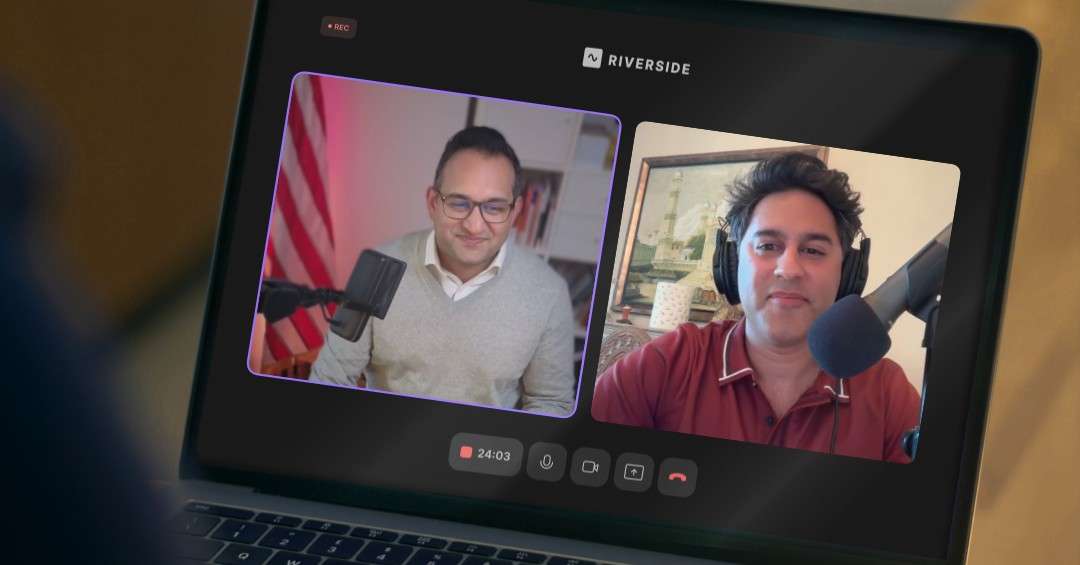
In Episode 50, hosts Pankaj Raval and Sahil Chaudry tackle this exact nightmare. They break down the critical importance of getting your Letter of Intent right before you ever look at a Purchase and Sale Agreement. Whether you are buying commercial real estate, selling a growing business, or bringing on new partners, this guide is for you.
Don’t Negotiate on a Handshake
The absolute biggest mistake you can make as a small business owner is proceeding with due diligence based purely on a friendly handshake. Many passionate entrepreneurs operate entirely on trust. You might find it surprising how many times people truly think they have a finalized deal. They genuinely believe they are thinking the same thing regarding the specifics of a transaction. However, when it comes down to the actual details, there are a few major points where they simply do not agree.
The Details That Blow Up Deals
For example, you might verbally agree on a firm price. But have you agreed on exactly when that money gets paid? You might agree to perform a basic environmental test. However, how long does the current property owner actually hold environmental obligations? There are countless complex details within a deal that need to be carefully thought through and worked out. Otherwise, these tiny details could completely blow up your deal midstream.
Let us consider a very common situation involving two local business owners. One business owner agrees to sell his company to the other for a total of $3 million. They celebrate and believe the hard part is over. But midway through the legal process, one party suddenly realizes they never discussed the due diligence period. Furthermore, they completely forgot to talk about a financing contingency. They do not even know if the deal follows an asset sale structure or a stock sale structure. Meanwhile, the proud seller might have confidently turned down multiple other bids. They did this because they wrongly assumed there was some kind of strict exclusivity as part of the deal.
The Movie Trailer Analogy
“Is an LOI kind of like a movie trailer? It gives you the highlights. It tells you, do you want to watch this movie?”
During the podcast, Sahil uses a truly fantastic analogy. He asks if an LOI is kind of like a movie trailer. Pankaj enthusiastically agrees. The document effectively gives you the exciting highlights of the transaction. It clearly tells you if you actually want to spend two or three hours of your day watching this specific movie.
Alternatively, think about the LOI exactly like the serious dating phase of a relationship. Before you start planning a massive wedding or signing a prenuptial agreement, you need to have a few very serious conversations. You have to figure out where you are going to live, what religion you will practice, and whose house you are visiting for Christmas every year. You hammer out those fundamental life details while you are in the dating phase and getting serious. A commercial transaction operates the same way. By securing a clear Letter of Intent first, you save yourself massive amounts of time and money later on.
The 10 Essential Terms
When you are finally ready to draft this critical document, you need to be highly strategic. You need to sit down with your trusted attorneys, light a candle over a nice dinner, and carefully think about the specific terms. During the episode, Sahil thoughtfully outlines the 10 main terms that every single LOI must include to be fully effective.
The Terms You Cannot Skip
Here are the exact elements you need to consider before signing anything:
- Purchase Price: This seems obvious, but getting the exact number down on paper is incredibly important.
- Deposit: You must state the required deposit amount clearly.
- Due Diligence Period: This is the specific timeframe where the other person has the opportunity to look under every single rock for ugly truths about your company. Usually, on a standard business acquisition, we see a 45 to 60 day window to close the deal.
- Closing Date: Setting a firm target date prevents the deal from dragging on endlessly.
- Exclusivity: This critical clause lets both parties officially agree that no one is going to interfere during a specific period. You are actively working out the terms, and neither party is entertaining an alternative offer during that time.
- Financing Contingency: Not everyone has all cash upfront to pay for a massive deal. This term allocates a certain number of days to check if the buyer can get the required money from the bank.
- What is Being Sold: You must define the exact structure of the deal. Is it an asset sale or a stock purchase?
- Key Economic Terms: This covers any other major financial factors influencing the transaction.
- Conditions to Closing: These are the specific hurdles that both parties must clear before the deal finalizes.
- Confidentiality: This protects your sensitive business data from reaching the public or your competitors.
Why Price Is Not Everything
Now, the absolute biggest mistake small business owners make during this phase is focusing solely on the purchase price. Many founders get completely blinded by a massive dollar sign. However, the price is only one single factor of a highly complex deal. You absolutely have to weigh that top-line price against many other mitigating factors.
For instance, consider the deposit. A motivated buyer might be perfectly willing to put down a massive $100,000 deposit to catch your attention. But if that large deposit depends entirely on their personal diligence, you might just end up tied to someone who is not a real buyer. You end up wasting precious months off the market with a simple tire kicker. At Carbon Law Group, we carefully walk our clients through every single one of these 10 terms. We ensure your document is perfectly balanced and highly optimized for your specific financial goals.
Binding vs. Non-Binding: Protecting Your Process
One of the most common and important questions we receive from clients is whether an LOI should be legally binding. It is a truly fantastic question that requires a nuanced answer. Generally speaking, the accepted market standard is for the core economic terms of the LOI to remain strictly non-binding.
Why Non-Binding Core Terms Protect You
The reasoning behind this common industry standard is quite simple and logical. You simply do not want to be too tightly tied into a massive deal if the situation ultimately does not work out. If you draft a fully binding LOI and the final transaction falls through, it raises a lot of highly complicated legal questions. Oftentimes, the initial terms of an LOI are not as fully fleshed out as those in a final Purchase and Sale Agreement. Enforcing vague terms in a courtroom becomes incredibly messy and expensive. Keeping the core economics non-binding perfectly protects both parties if severe red flags pop up during the final audits.
What Must Always Be Binding
However, even in a primarily non-binding document, certain protective clauses must be strictly and legally binding. Pankaj carefully clarifies this exact point during the podcast episode. He notes that you want exclusivity, confidentiality, breakup fees, governing law, and dispute resolution to all carry binding force. These specific terms protect the actual process of the negotiation itself. If the parties ultimately decide to walk away from the deal, and someone maliciously breaches the confidentiality agreement, that breach remains fully enforceable.
This hybrid legal structure is absolutely crucial because you are sharing so much incredibly sensitive information during this phase. In the legal world, we sometimes call this highly sensitive process opening the kimono. You are actively showing all of your hidden cards to the other party. Consequently, that other party will clearly see all of your internal operations. If they happen to be a direct competitor, they could easily take that private data and use it to destroy your market share. A strictly binding confidentiality clause serves as your ultimate legal shield against this threat.
The Baseline That Holds Everyone Accountable
Furthermore, even though the main economic terms are technically non-binding, having a signed document gives both parties much less wiggle room. Yes, minor details can still be smoothly fleshed out later. But if a buyer suddenly tries to change the whole fundamental economics of the deal after signing the document, the other side will likely view that as operating in bad faith. Trying to ask for more money after a signed LOI is in place is potentially actionable. The LOI successfully establishes a firm baseline. It prevents greedy parties from moving the goalposts at the very last minute just to gain an unfair advantage.
Beware of Seller Financing
As you carefully navigate the complex deal-making process, you will inevitably encounter certain massive red flags. One of the absolute biggest red flags you have to watch out for is a prospective buyer who aggressively wants seller financing.
“Unless you’re prepared to be the bank and try to foreclose and try to deal with the property and take back the property, you do not want that headache.”
Why Seller Financing Is Usually a Warning Sign
If someone asks for seller financing, it usually means a traditional commercial bank looked at their financials and simply will not lend to them. That fact alone should serve as a major warning sign. If a highly regulated financial institution refuses to trust this specific buyer with their money, you should probably ask yourself why you should trust them with yours. When you agree to seller financing, you, as the business seller, suddenly carry a massive amount of the transaction risk.
Pankaj tells his small business clients all the time that they must be fully prepared for the worst-case scenario. Unless you are fully prepared to act exactly like a commercial bank, you do not want to pursue this path. Managing debt collections, trying to foreclose, and dealing with taking the physical property back is a massive headache. You have to remember that you are an entrepreneur trying to exit your company. You are most likely not a bank.
The True Cost of Carrying the Risk
If the buyer completely mismanages your former business and eventually stops paying you, coming after them legally is going to get incredibly expensive very quickly. You might spend years fighting in court just to repossess a severely damaged company. For most founders looking for a clean and profitable exit, this specific financial structure is a total nightmare. To agree to something like that, you would typically expect a considerable financial premium to offset your massive risk.
There are, of course, a few rare exceptions where this structure actually makes sense. Sometimes, seller financing is perfectly acceptable in related-party transactions. For instance, if a trusted manager of a business is finally taking over the company from the retiring founder, seller financing might be the only viable path forward. We also frequently see this specific structure with retiring law firm partners. An older owner might specifically want a steady monthly pension payment over a period of many years.
But generally speaking, our law firm advises extreme caution whenever this topic arises. In most cases, a seller would rather take an all-cash deal. Sometimes, you might even intelligently choose an all-cash deal that is slightly lower in total value simply because it is significantly less risky than a financed deal. At Carbon Law Group, we aggressively protect our sellers. We typically demand concrete proof of funds or a formal pre-approval letter from a bank very early in the LOI process. We ensure you only spend your valuable time negotiating with serious and fully capitalized buyers.
Bring Counsel in Early
One of the most frustrating things we experience as dedicated deal lawyers happens before the heavy lifting even begins. Clients frequently send us a Letter of Intent that is already fully drafted and officially signed. They hand us the executed document and casually ask us to quickly review it. At that critical point, our legal hands are completely tied. The leverage has already shifted entirely, and the dangerous terms are already locked into place.
What a Lawyer Catches That You Will Miss
You absolutely need to have competent counsel and trusted advisors involved very early in the process. You may not naturally think about the highly specific legal points that an experienced lawyer would catch immediately. Our fundamental job is not to determine what is personally valuable to you as a business owner. Instead, our job is to actively surface the hidden blind spots and massive problems that eager buyers and sellers are completely ignoring.
We strongly encourage founders to prepare the stage for a formal negotiation. The earlier that crucial negotiation happens, the better the final outcome will be. Sahil recalls a very famous quote from one of his old school teachers during the episode. The teacher always warned that if you assume, you make an ass out of you and me. When you are dealing with millions of dollars and the lasting legacy of your small business, you simply cannot rely on blind assumptions. The LOI is your absolute biggest protection against making dangerous assumptions about the other party’s true intentions.
Paper Creates Accountability
Putting these highly specific terms down on physical paper creates a very real human level of accountability. It is incredibly easy to verbally talk and make all kinds of grand offers and empty promises over a friendly lunch. But once you actually see those exact promises written down on paper, the dynamic shifts completely. All of a sudden, you have to actively deal with the fact that you actually said that. There is a powerful human element to seeing terms on paper and holding yourself strictly accountable to them.
If someone wants to change their mind, they have to openly acknowledge that they are changing their mind. It is much better to have them do that at the preliminary LOI phase rather than destroying a fully drafted Purchase Agreement later on. At Carbon Law Group, we are fiercely dedicated to protecting our clients from bad deals and highly emotional decisions. We separate your absolute must-haves from your nice-to-haves. We pressure-test all business points to verify what is truly considered reasonable in your specific industry.
Do not leave your business exit or your next major acquisition to pure chance. Bring our experienced legal team in early. Let us help you draft an ironclad Letter of Intent that perfectly sets the stage for a smooth and highly profitable transaction.
Ready to Structure Your Next Deal?
Whether you are navigating a business acquisition or a commercial real estate purchase, getting the initial paperwork right is essential. If you found this breakdown helpful, we would love to connect with you.
Listen to the full episode of Letters of Intent on your favorite streaming platform. Visit us at carbonlg.com, connect with Pankaj and Sahil on LinkedIn, or click here to schedule a call and discuss your upcoming business transactions.