
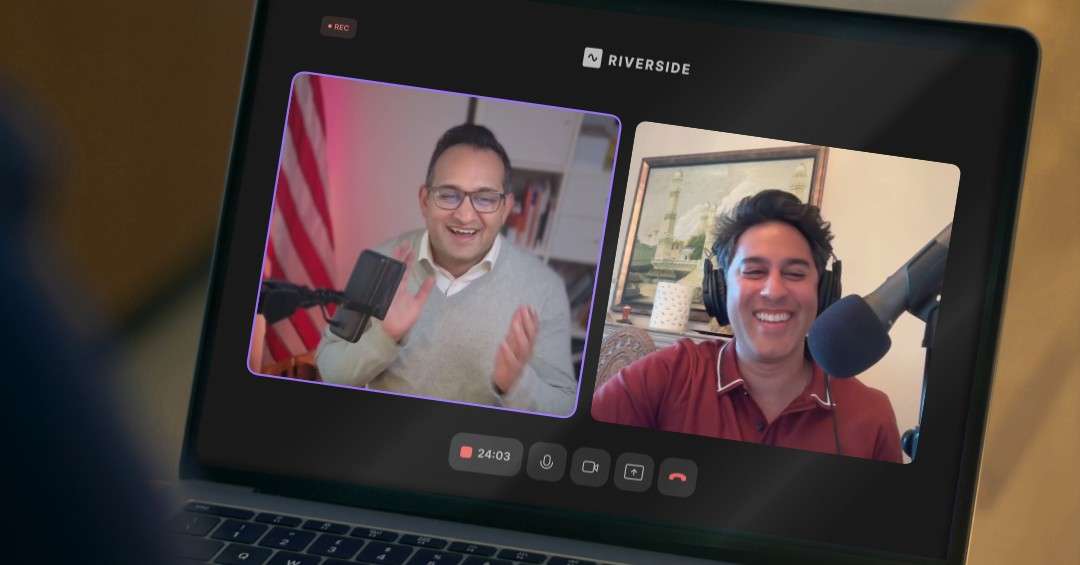
Welcome back to a recap of a very special episode of the Letters of Intent podcast. Hosted by Pankaj Raval and Sahil Chaudry, this show typically dives into the granular details of business deals. The hosts regularly explore how risk, leverage, and incentives shape corporate outcomes long before anyone signs a contract. However, for the episode released on February 21, 2026, the hosts decided to completely pivot their approach. They tackled a current event that has recently taken the entire internet by storm.
Today, we are talking about a highly controversial viral subculture known as “looksmaxxing.” More importantly, we will discuss how this bizarre internet movement highlights massive blind spots in corporate intellectual property strategy. Small business owners can learn incredibly valuable lessons from the mistakes and missed opportunities happening in the digital creator space right now.
A Pivot to Current Events
If you have not been paying close attention to social media algorithms lately, you might find that term completely confusing. During the episode, the hosts discussed a prominent internet figure named Clavicular. This specific creator has gained massive notoriety online for promoting extreme physical enhancements. The New York Times even interviewed him recently for a prominent article titled “Handsome at Any Cost”.
To put this situation into proper perspective, this influencer promotes highly radical and sometimes dangerous personal behavior. For example, he has openly talked about having his jaw physically hammered into place just to improve his facial appearance. Furthermore, he engages his audience with truly bizarre hypothetical questions. In one video, he asked his followers whether they would rather lose their hair or a major bodily appendage.
The Danger of the Looksmaxxing Movement
Sahil correctly pointed out that this trending subculture represents a highly self-destructive influence on modern society. The movement strictly prioritizes superficial physical looks over any meaningful contributions to the world. Pankaj noted that he is in his 40s and actively tries to stay hip to current trends. Despite his efforts, he admitted that this new online movement makes him feel completely disconnected from the younger generation.
Unfortunately, social media algorithms aggressively reward this exact type of extreme behavior. In fact, followers are now asking this appearance-obsessed influencer who he intends to vote for in the next presidential election. Remarkably, people want someone focused solely on jawlines to opine on highly complex governmental structures.
Why This Matters for Traditional Businesses
While this online subculture might seem completely absurd to a traditional entrepreneur, a very serious business angle remains hidden just beneath the surface. These viral internet figures capture millions of eyeballs every single day. Because they successfully land on every major social platform, they heavily impact society and build massive businesses in the process.
This reality brings us to the core legal question of the podcast episode. How exactly are these digital creators protecting their fast-growing brands? Let us dive deep into the vital importance of intellectual property. We will thoroughly explore the concept of “IP-Maxxing” and show you exactly how you can apply these crucial legal lessons to your own small business today.
The Creator Economy is Serious Business
The modern creator economy no longer functions simply as a fun hobby for teenagers making videos in their bedrooms. Viral internet figures actively build massive personal brands that operate exactly like modern small businesses. During the show, Sahil emphasized that these digital creators represent the absolute next generation of modern entrepreneurs. They continuously develop highly valuable corporate assets. Furthermore, they create unique intellectual property that they can eventually license and monetize on a global scale.
Building a Digital Asset
This concept remains absolutely critical for any traditional business owner to understand. You might run a local bakery, a growing tech startup, or a professional consulting firm. Consequently, you might think you have absolutely nothing in common with a viral TikTok star or an Instagram influencer. However, the foundational rules of business stay exactly the same across every industry.
Your brand identity serves as one of your most valuable corporate assets. If you do not legally secure that unique identity early on, someone else will eventually steal it from you. In the specific case of the “looksmaxxing” trend, the movement introduced a whole new vocabulary to the general public. Today, everyday people inherently know what slang words like “mogging” or “looksmaxxing” actually mean.
Lessons for Traditional Business Owners
When a brand-new word or catchy phrase enters the cultural zeitgeist, it immediately gains immense commercial value. Apparel companies desperately want to print that popular word on trendy t-shirts. Cosmetic brands want to slap that exact phrase onto their new line of premium face creams. This scenario represents exactly where the complex concept of intellectual property comes into play.
If you create a highly recognizable brand or coin a popular phrase, you must take proactive steps to legally claim ownership of it. If you fail to take action, you leave the door wide open for opportunistic competitors to hijack your financial success. We see this unfortunate situation happen all the time in the competitive business world.
The High Cost of Ignoring Trademarks
Small businesses face this exact intellectual property challenge every single day. At Carbon Law Group, we frequently see passionate entrepreneurs pour their entire life savings into a brand-new company. Founders gladly spend thousands of dollars on custom graphic design, expensive website development, and aggressive marketing campaigns. Over time, they build a loyal customer base and start generating very real revenue.
Then, a much larger corporate competitor suddenly notices their local success. Because the small business owner never bothered to file a formal federal trademark, the larger competitor simply adopts a confusingly similar brand name. Suddenly, the founder starts losing loyal customers and faces a highly expensive legal battle just to survive.
This massive risk explains precisely why Carbon Law Group focuses so heavily on early-stage intellectual property protection. We fully understand that your brand serves as your ultimate differentiator in a highly crowded market. Whether you sell complex enterprise software or promote a viral lifestyle trend, your specific name holds immense financial power. Securing the intellectual property behind your business remains absolutely crucial to your long-term success.
You must consistently treat your brand name, your custom logos, and your popular catchphrases as tangible corporate assets. By formally registering these specific assets with the government, you actively build a protective legal moat around your entire company. You successfully ensure that when your business inevitably scales, you hold the exclusive legal rights to profit from your own hard work.
The Trademark Void
During the middle of the podcast episode, Pankaj and Sahil decided to conduct a live legal investigation for their listeners. They wanted to see if anyone had actually secured the formal legal rights to this viral internet phenomenon. Sahil asked Pankaj, acting as the resident expert in intellectual property, whether Clavicular should register a federal trademark for the specific term “looksmaxxing”. Pankaj enthusiastically agreed and decided to look up the official trademark filings in real time. What the hosts quickly discovered was a massive, completely overlooked monetization opportunity.
Conducting a Live Legal Investigation
They immediately found that a company called Ghost Global previously registered several related trademarks for apparel and t-shirts. When Pankaj dug a little bit deeper into the database, he noted some interesting corporate details. The founders formally registered Ghost Global as an entity in the state of Delaware.
Corporate lawyers know Delaware is notoriously difficult when trying to find the true human owner of a corporate entity. The state laws offer strict privacy protections for business owners. However, using a public legal database called Open Corporates, Pankaj successfully discovered another active trademark called “Ghost of the Gram”. A completely different social media influencer known as Holy Ghost actually owned this specific trademark.
The Mystery of Ghost Global
The most shocking legal revelation of the entire episode came next. Pankaj discovered that a random business owner had previously tried to register the exact viral term “looksmaxxing”. The applicant filed the initial trademark application specifically for a line of men’s grooming preparations. However, the applicant ultimately abandoned the official filing before the government could approve it.
Pankaj noted that the applicant simply failed to respond to a basic inquiry from the federal trademark office. Usually, these inquiries involve very easy administrative issues to fix. Because the applicant ignored the government deadline, the trademark office canceled the entire application.
Identifying Massive Market Opportunities
This critical administrative failure creates a massive legal void in the marketplace today. Despite the overwhelming global popularity of the viral term, the trademark remains largely unclaimed for the most lucrative product categories. Pankaj pointed out that independent cosmetics brands are incredibly popular and highly profitable right now. This specific viral term currently acts as the hottest brand name that everyone is talking about online.
If a savvy entrepreneur launched a dedicated cosmetics line using this viral term today, they could potentially generate massive revenue. Because the previous applicant carelessly abandoned the filing, the valuable trademark currently sits completely available for the taking.
This specific scenario serves as a perfect cautionary tale for small businesses everywhere. We spot “trademark voids” all the time in the modern corporate world. A passionate entrepreneur comes up with a truly brilliant product name. The founder starts selling the product locally but mistakenly assumes their business is far too small to need a formal trademark. Consequently, the founder leaves a massive legal void in the federal registry.
Eventually, a sharp competitor runs a routine trademark search, clearly sees the open void, and legally registers the brand name for themselves. Suddenly, the law strictly bars the original inventor from using their own creation in commerce.
At Carbon Law Group, we routinely conduct comprehensive trademark clearance searches for our business clients. We actively look for these exact types of dangerous voids in your specific industry. We work hard to ensure that your proposed brand name is fully available before you spend a single dime on new marketing materials. If we find a safe opening, we aggressively move to secure the federal rights on your behalf. Never leave a highly valuable brand name sitting openly on the table. If you fail to formally claim it, someone else absolutely will take it from you.
Sword vs. Shield
Understanding exactly how to protect your growing brand requires a solid grasp of basic trademark law. During the latter half of the episode, Sahil introduced a truly fantastic analogy to clearly explain these complex legal concepts to the audience. He cleverly compared the critical difference between common law rights and a federal trademark registration to a sword and a shield. This simple but powerful comparison perfectly illustrates why taking formal legal action remains so critical for small business owners today.
The Limits of Your Legal Shield
When you first start using a brand name to sell products or services, you automatically generate what lawyers call “common law” rights. You do not need to file any formal paperwork with the government to get these basic protections. By simply putting your unique mark into the public stream of commerce, you instantly establish a baseline level of legal defense.
Sahil correctly identified this specific common law protection as your legal “shield”. The shield provides your business with a strictly defensive posture. If someone in your immediate local area tries to blatantly steal your name, you can use your legal shield to actively defend your existing geographic territory.
However, a basic legal shield can only accomplish so much in a modern economy. Geographic boundaries strictly limit your common law rights. If you successfully run a popular coffee shop in Los Angeles, your common law shield offers absolutely zero protection against a copycat coffee shop opening up in New York City.
Furthermore, enforcing these basic common law rights proves incredibly difficult and highly expensive. Pankaj explained that a business owner has to prove actual financial damages in state court. Proving exact lost profits due to brand confusion is an incredibly burdensome and costly legal process.
Forging Your Federal Sword
This inherent limitation explains exactly why you desperately need a legal sword. A federal trademark registration acts as your ultimate offensive weapon in the marketplace. When you successfully register your unique mark with the United States Patent and Trademark Office, you instantly gain exclusive, nationwide protection. Even if your business currently only operates in the southwest region of the United States, a federal registration immediately gives you the absolute legal right to expand throughout the entire country safely.
Furthermore, acquiring a federal trademark unlocks incredibly powerful legal remedies for your company. Pankaj noted that holding a federal mark allows business owners to aggressively enforce their exclusive rights in federal court. You instantly gain access to specific statutory financial damages that you simply would not possess otherwise.
Dominating the Marketplace
Most importantly, a federal registration provides you with massive financial leverage during a dispute. The law allows you to potentially recover your expensive attorney’s fees if you successfully win your trademark infringement case. This single benefit creates a massive tactical advantage for small businesses. It regularly forces aggressive copycats to back down quickly during a dispute. The copycats know they will likely have to pay your entire legal bill if they lose the lawsuit.
Small businesses truly cannot survive on playing defense alone. If you want to build a highly valuable company, you must fully prepare your team to go on the offensive. A federal trademark registration successfully gives you the exact legal leverage you need to crush copycats and totally dominate your target market.
As Pankaj clearly stated during the podcast, it is always better to hold a registered trademark than to operate without one. At Carbon Law Group, our attorneys specialize in forging these powerful legal swords for our clients. We expertly handle the highly complex federal filing process from start to finish. We do the heavy lifting so you can confidently step into the marketplace with total peace of mind.
IP-Maxx Your Brand
The podcast conversation surrounding this viral internet trend ultimately circled back to fundamental business hygiene. Sahil wisely noted that if the viral creator Clavicular came to their law firm for advice, their legal strategy would look very straightforward. The attorneys would advise the young creator to focus heavily on aggressively building his intellectual property portfolio. Sahil joked that they would actively encourage the influencer to “IP-maxx” his entire digital operation.
Establishing Corporate Governance
This highly humorous phrase carries a very serious legal meaning for entrepreneurs. IP-maxxing basically means fully securing your intellectual property while simultaneously establishing proper corporate governance. Sahil heavily emphasized the vital importance of getting all foundational business contracts in perfect order.
This specific viral creator holds a legitimate chance to build a serious, highly profitable business empire. However, without a rock-solid legal foundation in place, that incredible financial potential will quickly evaporate into thin air.
This expert advice applies directly to every single small business owner reading this post today. You must always take proactive steps to properly secure your company’s financial future. Never wait until you achieve viral success or hit your first million dollars in revenue to start thinking about basic legal protection. By the time you reach that milestone, taking action is often far too late. The longer you operate your company without formal trademarks, the more vulnerable your entire brand becomes to malicious actors in the market.
Securing Your Financial Future
Furthermore, proper corporate governance ranks just as highly as intellectual property protection. Founders must build a properly structured Limited Liability Company or Corporation to shield their personal assets from potential business liabilities. Additionally, ironclad operating agreements successfully prevent disastrous financial disputes with your own business partners. Finally, professionally drafted contracts thoroughly ensure your vendors and clients actually pay your invoices on time.
All of these crucial legal elements seamlessly work together to maximize the ultimate financial value of your growing enterprise. Sahil jokingly warned his podcast listeners that if they truly want to IP-maxx, they need to call Carbon Law Group immediately. He noted they must take action so they do not get “frame-mogged” by another aggressive IP attorney.
Pankaj laughed out loud and quickly agreed with his co-host. Pankaj stated that their law firm actively tries to “mog” the legal competition every single day. While the podcast terminology sounds certainly silly, the underlying legal message remains incredibly urgent for founders. You desperately need a highly skilled legal team in your corner to actively protect your hard work from aggressive market competitors.
Partner with Carbon Law Group
If you are currently building a brand, you must take your legal structure incredibly seriously. This rule applies whether you operate an unconventional internet persona or run a highly traditional brick-and-mortar retail store. Never leave your valuable intellectual property fully exposed to the general public. Do not stubbornly rely on a weak common law shield when you can easily acquire a powerful federal sword today.
We highly encourage every founder to take decisive action today. Carefully audit your current business assets. Quickly identify your most valuable brand names, custom logos, and marketing slogans. Ask yourself honestly if those specific assets enjoy true protection under federal law. If you feel unsure about the answer, you need professional legal guidance immediately.
The digital internet moves incredibly fast today. The traditional business world usually moves even faster. Do not patiently wait until someone else successfully capitalizes on your highly unique ideas.
Carbon Law Group remains totally dedicated to helping visionary entrepreneurs protect their most valuable corporate assets. Our experienced team provides comprehensive trademark registration services, robust corporate governance structuring, and strategic contract drafting. We proudly give founders the absolute peace of mind required to focus entirely on scaling their business. We gladly handle all the highly complex legal details securely behind the scenes.
If you feel fully ready to secure your intellectual property and formally IP-maxx your brand, our firm stands ready to assist you. Contact our office today to smoothly schedule a comprehensive brand protection strategy session. Let our attorneys help you build an absolutely impenetrable legal fortress around your growing company.