
Artificial intelligence has become a daily tool across every industry. Employees use it for writing, research, analysis, scheduling, and even customer communication. AI boosts efficiency, but it has also created a new hidden threat most companies are dangerously unprepared for. It is known as Shadow AI.
Shadow AI is what happens when employees use unapproved or unmonitored AI tools inside your business. They may be using AI to speed up their day, but without proper rules and controls, they may be accidentally leaking confidential information, exposing customer data, or violating contracts without knowing it.
This problem is not theoretical. It is already happening inside small and mid-sized companies at a massive scale.
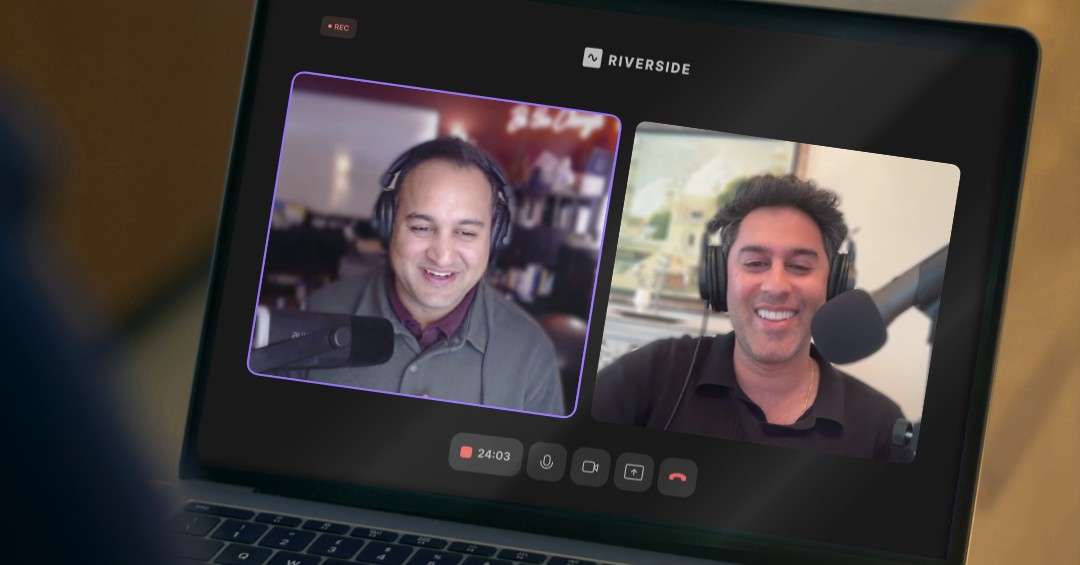
In this article, we break down what Shadow AI is, why it matters, the core risks, and what business owners can do to protect themselves. Along the way, we highlight insights from industry experts like Rudy Ordaz, CEO of DataWise Networks, and draw from real-world situations we see every week in our law practice.
Understanding the Rise of Shadow AI
Artificial intelligence has become the fastest adopted workplace technology in history. Tools like ChatGPT, Gemini, Claude, and hundreds of productivity apps are used daily by millions of employees. Many use these tools quietly, without bad intentions, because they simply want to work faster and more efficiently.
This creates a new class of risk. AI tools are incredibly powerful, but they are not designed to automatically follow your company policies, your confidentiality requirements, or your legal obligations. When employees enter sensitive data into public AI systems without guidance, they may unintentionally expose trade secrets, upload private customer information, or place your company in violation of federal or state privacy laws.
Why Shadow AI Has Exploded
Shadow AI has grown rapidly for several reasons.
First, employees want speed. They know AI helps them handle emails, draft documents, summarize meetings, create reports, or research problems instantly. A task that took two hours now takes ten minutes. For an overwhelmed team, that is hard to ignore.
Second, AI tools are incredibly easy to access. Most only require an internet browser and an email address. This means employees can start using them without approval from IT, legal, or leadership.
Third, most small businesses lack formal AI policies. Even larger companies struggle to keep up with the pace of AI development. When policies do exist, employees rarely read them or understand the details. In the absence of clarity, people take shortcuts.
Fourth, business leaders often underestimate the privacy risks. They assume that if an employee uses AI to improve their work, the benefit outweighs the danger. Unfortunately, this assumption creates major liability. Public AI platforms are not obligated to protect your company unless you use enterprise plans with formal data controls.
Employees Are Not the Problem. The Lack of Systems Is the Problem.
Most Shadow AI incidents are not caused by malicious or irresponsible workers. They are the product of unclear rules, inadequate training, and leadership that has not had time to build a thoughtful framework around AI use.
Imagine a marketing coordinator who uploads a customer segmentation spreadsheet to an AI tool to help generate insights. Or an operations manager who pastes supply chain contract terms into an AI chat box to rewrite them more clearly. Or a developer who uses AI for debugging sensitive code.
None of these examples involves ill intent. But all of them create risk. And for companies in regulated industries or those that handle sensitive data, the consequences can be severe.
Shadow AI thrives where structure is weak. Without explicit approval processes, usage guidelines, and technical controls, every small decision becomes a potential risk.
Why Business Owners Must Pay Attention Now
Shadow AI is not a future problem. It is already affecting your company whether you know it or not. The scary part is that most leaders only discover the issue after a mistake has already happened.
Some companies find out because a customer complains about seeing their data appear in a strange context. Others discover leaks when employees ask whether it is safe to upload confidential information to an AI tool. Some only realize the danger when a security consultant runs an audit revealing hundreds of unsanctioned AI interactions.
As Rudy Ordaz often explains, security is not a one-time project. It is a practice. And Shadow AI is one of the new practices every business must examine closely.
Why Shadow AI Is a Major Risk for Businesses
Shadow AI creates a unique combination of risks that traditional cybersecurity frameworks were not designed to address. While normal cyber threats involve hacking, malware, or direct attacks, Shadow AI involves human errors amplified by powerful technology.
These risks fall into five major categories: data exposure, contractual violations, intellectual property loss, inaccurate outputs, and regulatory liability. Each of these risks can create expensive and sometimes irreversible damage.
Risk 1: Accidental Data Exposure
The most immediate danger of Shadow AI is the possibility of sensitive data being uploaded into platforms that store, analyze, or use the data in ways your company cannot control.
For example, an employee may upload:
-
Customer personal information
-
Supplier pricing
-
Employee salary lists
-
Software code
-
Marketing analytics
-
Medical or financial data
-
Internal presentations
-
Legal documents
Many AI platforms store user inputs to train their models unless the enterprise settings explicitly block this. When employees use personal accounts or unofficial tools, they may unknowingly expose your company to data leakage without realizing the long term consequences.
Risk 2: Contract Violations
Most companies sign agreements that include confidentiality, data handling, and information security obligations. When employees use unauthorized AI tools, they may violate these agreements.
For example, if you work with a client who requires all contractors to keep their data on secure internal servers, uploading that data to a public AI tool breaches the contract.
Violations like this can lead to:
-
Loss of major accounts
-
Financial penalties
-
Lawsuits
-
Termination of contracts
Many business owners are shocked to learn that Shadow AI use by a single employee can violate terms worth hundreds of thousands of dollars.
Risk 3: Intellectual Property Loss
If your company creates proprietary content, software, designs, formulas, or strategies, uploading them into third party AI platforms can compromise ownership. Some platforms have terms that allow them to use submitted content for training.
This becomes a real threat if:
-
You are developing a new product
-
You are drafting confidential contracts
-
You are building original software
-
You are creating proprietary algorithms
-
You are designing brand assets
If employees feed this information into AI, your competitors could indirectly benefit when the model reuses elements in other responses.
Risk 4: Inaccurate or Fabricated Outputs
AI tools are powerful, but they are not perfect. They can produce incorrect information, hallucinations, or outdated analysis. If employees rely on AI outputs without verifying accuracy, they may make decisions that hurt the business.
We have seen examples where AI tools incorrectly generated:
-
Tax compliance rules
-
Legal language
-
Financial calculations
-
Safety guidelines
-
Technical specifications
Small businesses do not always have layers of review. One bad AI-generated line in a contract or proposal can derail a deal, create liability, or weaken negotiation power.
Risk 5: Regulatory Exposure
Laws like GDPR, CCPA, CPRA, HIPAA, FERPA, and state privacy acts impose strict obligations on how data is handled. Public AI tools often do not meet the requirements for highly sensitive or regulated data.
If regulated data enters an AI tool that does not meet compliance standards, the company may face:
-
Fines
-
Investigations
-
Class action exposure
-
Mandatory audits
-
Customer notification requirements
Regulators take data misuse seriously, even when it is accidental.
The Real Cost of Shadow AI
Shadow AI incidents are costly because they often require:
-
Internal investigations
-
External cybersecurity support
-
Contract renegotiation
-
Customer damage control
-
Legal work to assess compliance
-
Policy redesign
The time and energy required to recover often disrupt normal operations for weeks or months.
That is why proactive prevention is far cheaper than reactive cleanup.
The Human Side of AI Risks
Technology does not create risk on its own. People create risk when they use technology without proper structure. Shadow AI is almost always a human behavior issue rather than a technical one.
Why Employees Use AI Without Approval
Employees turn to unapproved AI tools because:
-
They want to work faster
-
They want to reduce stress
-
They are under heavy deadlines
-
They see coworkers using AI
-
They believe IT is too slow or too strict
-
They do not think the risk applies to them
-
They do not understand how AI handles data
No one sets out to jeopardize the business. They are trying to help it. But without training, their good intentions create hidden dangers.
The “Technician Mindset”
Rudy Ordaz often references a key concept from The E Myth. Most businesses are founded by technicians who are very skilled at doing the work but not always skilled at running a business.
The same dynamic applies to AI. Employees are skilled at their tasks but not skilled at assessing security or data privacy. AI tools give them more power than ever but without the guardrails that normally come from IT or legal oversight.
This is where leadership becomes crucial. Leaders must set the tone for responsible AI use.
The Biggest Weak Link: Human Behavior
Even the best cybersecurity tools cannot protect a business from employees uploading sensitive information into a public AI system. Firewalls, antivirus tools, and permission controls cannot stop someone who manually copies and pastes internal data into a chat box.
That is why security experts emphasize training and culture rather than tools alone. A secure business is one where:
-
Employees understand which data is sensitive
-
Workers know which tools are approved
-
Managers reinforce AI policies
-
Systems are easy to follow and aligned with daily workflows
The harder your system is to follow, the more likely people are to bypass it.
Why Leadership Must Drive AI Governance
Security culture begins at the top. As Rudy often says, security is a practice, not a project. That means it must be reinforced, reviewed, and repeated.
Leaders must:
-
Set clear expectations
-
Approve tools
-
Educate teams
-
Review compliance
-
Hold people accountable
Shadow AI rarely arises in companies with strong leadership communication. It thrives in environments where policies are vague or nonexistent.
A Five Point Cybersecurity Checklist for Modern AI Risks
To build true AI safety inside your organization, you need a foundational cybersecurity structure. This structure is built on five core elements.
Most small and mid sized businesses lack at least two or three of these. That gap is where Shadow AI problems escalate.
Below is the five point checklist that Rudy recommends as the baseline for any business that wants to be secure.
1. Multi Factor Authentication
Multi Factor Authentication ensures that even if someone steals a password, they cannot access your systems without a second verification step.
It is one of the simplest and most effective protections available.
2. Backups
Backups protect your business from ransomware, data corruption, and accidental deletion.
They should be:
-
Automated
-
Encrypted
-
Off site
-
Tested regularly
If your AI tools ever create or modify files, backups ensure you can roll back safely.
3. Device Management
Every device connected to your network should meet your security standards. That includes:
-
Laptops
-
Desktops
-
Tablets
-
Phones
-
Contract worker devices
Device management tools allow you to:
-
Enforce updates
-
Install security patches
-
Wipe lost or stolen devices
-
Control app installation
This prevents unsafe AI apps from spreading.
4. Permission Controls
Not everyone should have access to everything. Permission controls ensure that employees only see the data relevant to their roles.
If an employee cannot access sensitive information, they cannot accidentally upload it into an AI tool.
5. Security Awareness Training
Training is the most important part of AI safety. Employees need to understand:
-
Which AI tools are allowed
-
What data is sensitive
-
What mistakes to avoid
-
How to get help
-
Why it matters
Training should recur every few months because AI tools evolve rapidly.
How to Create a Safe AI Policy That Employees Will Actually Follow
A policy only works if people understand it and trust it.
Creating an effective AI governance program requires clarity, simplicity, and communication. Below is the framework we help clients build at Carbon Law Group.
Step 1: Identify Approved AI Tools
You must define which AI tools employees are allowed to use. These tools must have:
-
Strong privacy controls
-
Terms that protect user data
-
Enterprise security settings
-
The ability to disable data training
Most companies create a list of two or three approved tools.
Step 2: Define What Data Cannot Be Used in AI Tools
Your policy must clearly describe the categories of data that employees are not allowed to upload into AI platforms. This often includes:
-
Customer personal information
-
Confidential contracts
-
Protected health information
-
Salary and HR data
-
Source code
-
Trade secrets
Clear rules prevent accidental leaks.
Step 3: Require Training Before Access
You cannot assume employees understand AI risks. Training must be required before using any approved tool.
Step 4: Set Review and Auditing Procedures
Companies should perform periodic AI usage audits to identify unapproved tools. This prevents Shadow AI from reemerging over time.
Step 5: Create Clear Reporting Channels
Employees need a simple place to ask questions or report concerns. Otherwise, they guess. And guessing leads to risk.
Real World Small Business Case Studies
Here are three examples of how Shadow AI creates real consequences.
Case Study 1: The Marketing Agency Leak
A marketing agency accidentally uploaded a client’s product roadmap into a public AI tool. The client discovered similarities between their confidential description and content produced for another company.
The result:
-
Contract terminated
-
Six figure revenue loss
-
Legal dispute over confidentiality
Case Study 2: The Medical Clinic Policy Violation
A healthcare employee used AI to write patient communication scripts. They unknowingly entered partial patient data.
The result:
-
HIPAA investigation
-
Mandatory audits
-
Costly remediation
Case Study 3: The Manufacturing Firm Contract Breach
An operations manager uploaded proprietary machine settings into a public AI tool to improve efficiency.
This violated a supplier contract.
The result:
-
Supplier demanded damages
-
Business relationship damaged
-
Emergency legal intervention required
These cases illustrate why companies need proactive AI governance.
How Carbon Law Group Helps Small Businesses Reduce AI and Cybersecurity Risk
Carbon Law Group provides legal and strategic support to businesses that want to adopt AI safely while protecting themselves from operational, contractual, and regulatory exposure.
We help clients by:
-
Drafting AI usage policies
-
Reviewing AI contracts
-
Auditing legal risk
-
Updating customer agreements
-
Creating employee training frameworks
-
Implementing incident response procedures
-
Ensuring privacy compliance
Our goal is simple. We help you get the benefits of AI without the hidden dangers of Shadow AI.
Conclusion
Shadow AI is one of the most underestimated threats facing small and mid sized businesses today. It grows silently. It emerges not through malicious intent but through everyday shortcuts. And it creates legal risks, data exposure, operational mistakes, and privacy violations that can harm your company for years.
With the right systems, policies, and training, you can eliminate most of the danger and unlock AI’s full potential responsibly.
If your business is adopting AI or wants to protect itself from hidden risks, Carbon Law Group is here to guide you.
- Company: DataWise Networks
- Website: datawisenetworks.com