
Why Your Business Is Worth Less Than You Think (And How to Fix It)

Home / Podcast / Why Your Business Is Worth Less Than You Think (And How to Fix It)

Why Your Business Is Worth Less Than You Think (And How to Fix It)

“Price is what you pay. Value is what you get.”

It sounds simple, almost obvious. But for small business owners, value is often misunderstood, overestimated, or quietly eroded over years without anyone noticing. Most founders believe they know what their business is worth. They look at revenue, profits, and how hard they have worked, and they assume buyers will see the same story they do. They usually do not.

In a recent episode of Letters of Intent, hosts Pankaj Raval and Sahil Chaudry sat down with Stephen Bethel, a veteran business appraiser and broker with decades of experience valuing and selling companies across industries. What followed was a masterclass in business valuation reality. The takeaway was clear: many businesses are worth far less than their owners think, not because the owners failed, but because they made common decisions that quietly destroy value.

The good news is that most of those problems can be fixed, but only if you understand them early enough. This guide breaks down the biggest valuation mistakes small business owners make, why they happen, and what you can do now to protect and grow the value of your business long before an exit is on the table.
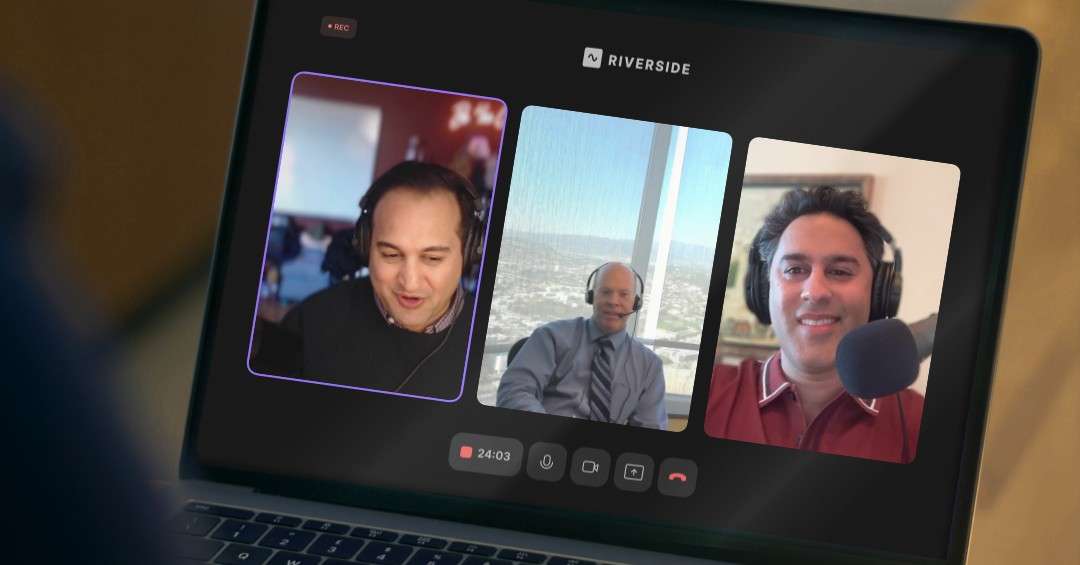
A split-screen Riverside podcast recording featuring Attorney Pankaj Raval on the left, business valuation expert Stephen Bethel in the center, and Attorney Sahil Chaudry on the right.
Attorneys Pankaj Raval and Sahil Chaudry discuss the “filters of fairness” in business appraisal with veteran expert Stephen Bethel (middle).

The Personal ATM Problem That Kills Valuation

One of the most common mistakes Stephen sees is business owners treating their company like a personal ATM. On paper, this feels harmless. Owners run personal expenses through the business, write off meals, travel, vehicles, and even family expenses. Taxable income stays low, the CPA keeps things compliant, and life feels efficient. That approach works right up until the moment you try to sell.

Buyers do not pay for stories. They pay for verified numbers. When a buyer reviews financials and sees years of expenses that cannot be explained or justified, they get nervous. When an owner says, “Those are just add-backs,” the buyer hears something else entirely. If you were willing to bend the rules with the IRS, why would a buyer trust you to be honest with them?

Stephen put it bluntly during the episode: “If you are screwing the IRS, maybe I am going to get screwed too.” That single sentence has killed more deals than many market downturns. From a buyer’s perspective, add-backs only work when they are reasonable, documented, and repeatable. One-time legal fees, temporary consulting costs, or a single unusual expense may be acceptable. Years of personal lifestyle costs disguised as business operations are not.

This is where many small business owners lose six or seven figures in value without realizing it. At Carbon Law Group, we see this often when preparing clients for M&A transactions. The business itself may be strong, but the financial story is muddy. Fixing it takes time, sometimes years. The solution is not complicated, but it requires discipline. Stop treating the business like your wallet. Pay yourself properly, separate personal and business expenses, and assume every dollar will be reviewed by someone skeptical. Clean financials do not just protect you legally; they directly increase what a buyer is willing to pay.

Why Recasting Your Financials Is Not Optional

If you plan to sell your business someday, clean financials are not a nice-to-have. They are mandatory. Stephen strongly recommends recasting your financials at least two to three years before an exit. This means hiring a CPA or qualified professional to restate your numbers accurately and consistently on official letterhead.

Buyers trust third-party verification far more than owner explanations. Imagine reviewing two businesses. One hands you spreadsheets with handwritten notes and verbal explanations for why expenses should not count. The other provides professionally recast financial statements prepared by a CPA that clearly show normalized EBITDA. One feels risky. The other feels safe.

Recasting also forces uncomfortable but necessary conversations. Are you paying yourself market compensation? Are related-party transactions properly documented? Are expenses justified? These questions surface problems early, when they are still fixable. From a legal perspective, this step also reduces deal friction. Clean financials mean faster due diligence, fewer renegotiations, fewer indemnities, and fewer post-closing disputes.

We often advise clients to think of recasting like staging a home. You are not changing the structure. You are presenting it in its best and most honest light. If your goal is a strong valuation, this step cannot be skipped.

The Dirty Business Advantage Most Founders Overlook

Many founders chase “sexy” industries like software, AI, apps, and tech platforms. Stephen has seen this movie before, and it often ends poorly. Simple, boring, unglamorous businesses frequently outperform flashy startups when it comes to valuation multiples and buyer interest because buyers value predictability.

Industries like pallet companies, car washes, porta potty services, solid waste management, and industrial services tend to have steady cash flow, repeat customers, and low churn. They may not make headlines, but they generate real money. As Stephen summed it up, “The simpler the business and the dirtier the business, the better it is.”

We see this pattern regularly in M&A work. Buyers are far more comfortable underwriting businesses with clear demand and limited disruption risk. People will always need trash removal, storage, logistics, and maintenance. Compare that to early-stage tech companies burning cash with uncertain paths to profitability. Even when valuations look high on paper, they often collapse under scrutiny.

If you operate a so-called boring business, this is good news. Your company may be far more attractive than you think. The key is positioning it correctly with clean financials, documented systems, diversified customers, and transferable contracts. When those pieces are in place, boring becomes beautiful.

The Real Estate Trap That Artificially Inflates EBITDA

Owning the real estate your business operates from feels like a smart move, and in many cases, it is. But it can quietly destroy your business valuation if handled incorrectly. Stephen shared a story about a retail owner who believed his business was thriving because he paid no rent. On paper, EBITDA looked strong. In reality, the business could not survive if sold.

A buyer would have to pay market rent, and buyers adjust for that immediately. When owners do not charge themselves market rent, EBITDA becomes artificially inflated. From a buyer’s perspective, future cash flow must reflect real-world operating costs. That single adjustment can slash valuation dramatically.

At Carbon Law Group, we address this issue regularly. The solution is proper structuring. Either separate the real estate into its own entity with a market lease or clearly account for normalized rent in the financials. Failing to do this leads to unpleasant surprises during due diligence. Buyers do not care how things were structured for convenience. They care about what the business will look like under their ownership.

Commercial Real Estate Reality Check for Business Owners

Commercial real estate conditions matter more than many business owners realize. Stephen predicts a potential 25 to 30 percent correction in commercial real estate prices over the next 18 to 24 months. Negative absorption, rising interest rates, and shifting work patterns are reshaping markets.

For business owners, this has two major implications. Lease terms matter more than ever. Short leases, high rents, or uncertain renewals reduce valuation because buyers discount risk aggressively. Owning commercial real estate is also no longer a guaranteed win. Vacancy risk, financing costs, and location trends must be evaluated realistically.

If your business depends heavily on a specific location, relocation risk becomes a valuation factor. Stephen noted that businesses often lose 20 to 25 percent of revenue after moving locations, at least temporarily. This is why experienced buyers scrutinize leases, zoning, and market trends closely. Legal guidance is critical here. Lease assignability, renewal options, and landlord consent provisions can make or break a deal.

Getting Your Business “Wedding Ready”

Selling a business is emotional and deeply psychological. Stephen compares it to getting married or selling a car. You would not show up unprepared. You would clean, organize, and present yourself well. The same applies to your business.

Buyers judge what they cannot see based on what they can see. If the office is disorganized, contracts are missing, or systems are unclear, they assume the financials are just as messy. One detail Stephen emphasized stood out: buyers often check the restroom. If it is a mess, they start questioning everything else.

Being wedding-ready means more than profits. It means organized contracts, clean books, documented processes, clear ownership records, and transferable agreements. Legal preparation matters here. Corporate structure, IP ownership, employment agreements, and compliance issues all affect buyer confidence. Preparation is power.

Why Most Owners Overestimate Their Business Value

Stephen estimates that about 90 percent of business owners believe their company is worth more than it actually is. This is human nature. You know the effort, the sacrifices, the long nights, and the risks. Buyers do not pay for effort. They pay for results.

They look at cash flow, risk, diversification, systems, and sustainability. They ask hard questions. What happens if the owner leaves? What happens if a major customer disappears? When the answers are unclear, value drops. The solution is objectivity through independent valuation and honest assessment. Even when the valuation is lower than expected, it provides a roadmap to improvement.

How Legal Strategy Protects and Grows Business Value

Business valuation is not just a financial exercise. It is legal at its core. Ownership structure, contracts, IP rights, compliance, and governance all affect what a buyer can and will pay. Poor legal hygiene introduces risk, and risk lowers price. Strong legal foundations create confidence, and confidence increases value.

At Carbon Law Group, we work with small businesses at every stage, from formation and growth to restructuring and exit. Value is not created at the closing table. It is built years before.

Final Thoughts

Your business may be worth less than you think today. That does not mean it has failed. It means you still have time to fix it. Stop treating it like a personal ATM. Clean up the financials. Understand your real costs. Embrace boring stability. Prepare legally. Get wedding-ready. If you do, the value will follow. And when the right buyer appears, you will be ready.

Soundbites

  • “If you’re screwing the IRS, maybe I’m going to get screwed too.”
  • “Simpler the business and the dirtier the business, the better it is.”
  • “Everyone thinks their house is worth a whole bunch… My business is different… you’re like, yeah, well, maybe not.”
  • “I’ve seen a lot of software companies go nowhere… I haven’t made money in four years, we’re going to break even in two.”
  • “It’s kind of like getting in shape to go get married… you gotta look good.”
  • “Everyone looks at it as basically a private ATM… but on the flip side, I also want my cake and eat it too.”

Guest

Stephen Bethel (Frazier Capital)
🔗 Learn More
Website: carbonlg.com

Why Your Business Is Worth Less Than You Think (And How to Fix It)

Pankaj Raval (00:16)
Welcome back to Letters of Intent, the podcast where we explore decisions, commitments, and turning points that shape businesses and the people behind them. Today’s guest has spent decades helping founders, investors, and decision makers answer one deceptively simple question. What is the business really worth?

Today we’re joined by Stephen Bethel, a seasoned business valuation expert and brokerage professional who’s worked across countless transactions and has a wealth of insight and experience that he’s gonna share with us today. And along the way he’s learned that the value of businesses is really just in the numbers and there’s a lot more to actually what it means to value a business. Stephen, welcome to the show.

Stephen Bethel (00:51)
Thanks very much. Thanks for having me.

Sahil Chaudry (00:54)
Steven, we are so excited to have you here. This is a question that comes up all the time because value is in the eyes of the beholder. Often we want the value to be low in the eyes of the IRS and very high in the eyes of an M&A buyer. So we are ⁓ going to get into the business that you’re in, which is a critical component of what we do and the outcome of what most of our small businesses want. They want an exit. They want to cash out. They want to know what they’re worth.

Pankaj Raval (00:53)
Yes, wonderful to have you here.

Yeah.

Stephen Bethel (01:08)
Absolutely.

Sahil Chaudry (01:21)
But at the same time, ⁓ one thing that we’re really interested in at Carbon Law Group is what personally drives the people that we’re connected with and work with. So I want to take us back to where you grew up and what your early influences were. And if you could tell us kind of how that led you to where you are today.

Stephen Bethel (01:37)
Well, that’s really, that’s gonna be an interesting question. So I grew up in Orange County. My dad always made sure that I actually worked for my money. So I actually worked at McDonald’s and I worked as a bricklayer, did a lot of different things. so even though I look like I got a tie on it, I still lay brick on occasion, things like that. Still dig my own ditches. But I went to Occidental College and ⁓ I did my undergrad in economics here. was originally a chemistry major. I went on to do a

Pankaj Raval (01:51)
nice.

Stephen Bethel (01:59)
master’s degree in international finance and one in European business over in St. Andrews and also in Glasgow University. Came back and I was probably like 1988 and I wanted to ⁓ get into finance. So I worked as a controller in manufacturing for about a year and a half, about 15 hours a day. So I ⁓ was getting burned out. I, back then they didn’t have the internet. So I said, well, let’s go to the library and see these books on careers. So I looked at that and I said, “Wow, look at this!

“There’s something actually called appraisal. That’s pretty interesting. Would they actually pay you to put numbers on stuff?” So I was like, “Wow, that sounds really good. What’s the catch?” So I did that and I joined a group doing valuations of businesses and commercial real estate. And then I did that for about seven years, started my own business and then I started writing books. So I started writing books. One was on business valuation and how to sell a business and also brokering something.

I eventually wrote 10 books and I started doing reviews for the IRS. So that led to other things and then I just slowly grew my business. Recently, I had a couple of interviews on NPR’s marketplace and Bloomberg. So anyway, just on various trends in certain industries and things like that. So right now I’m in the US bank tower and we have an office in San Francisco and also here in Los Angeles and we do.

brokerage of businesses and commercial real estate, as well as actually the valuations of all those things, all of the United States.

Sahil Chaudry (03:17)
You make that journey sound very simple, but as people who work with business owners and who have been business owners, it can’t be that simple. Can you tell us a little bit about a few trajectory moments in your career, something that really changed the game for

Pankaj Raval (03:19)
Uh-huh.

Stephen Bethel (03:31)
You know, I don’t think there’s any one moment, I think it’s really all about your background and how you grew up. I’m a big believer that you need to have structure in your life and you you have a lot of times you get kicked in the face, fall down, you gotta get back up. I’ve seen a lot of people who let’s say were straight A students, they did great throughout their whole life and then they got out and they just said, I’m doing terribly. So, every day I get up at about 4.30, it’s kinda like those habits of successful people.

Get up early, go to bed early, do all the stuff you’re supposed to do. So I don’t think it really gets more complicated than that. And if you just literally say, well, I’m going to do this, you sort of go back and say, well, in order to get here in four years, I need to do all these things now. So it just sort of slowly gets to that point. So it’s kind of like Thomas Jefferson says, the harder I work, the luckier I get, right? Yeah. So.

Pankaj Raval (04:10)
Yeah.

Sahil Chaudry (04:11)
love that.

That’s right. I love that. Do what you’re supposed to

Pankaj Raval (04:15)
Absolutely, I love that quote.

Sahil Chaudry (04:18)
do. I think that’s a great insight here for our audience.

Pankaj Raval (04:18)
Yeah.

Yeah, absolutely. I love that. So, Stephen, since you are an expert, you’ve written many books, looked to by big media networks to comment on valuation. Tell us a little bit more when businesses come to you to understand valuation, how do people value a business? Are there different ways of valuing a business? How do you generally approach or guide clients or businesses when they’re looking for a valuation?

Stephen Bethel (04:41)
It really depends upon the business. It depends upon the assets they have and everything else. But in general, it’s usually some sort of multiple EBITDA or it’s based on a discounted cashflow. It really just sort of depends upon that. That’s super, super simple. Then you have issues that come in like, how good, what’s the quality of the financials? Where’s it located? Are you in a secondary market, tertiary market or your primary market? Are you in a gateway city? Makes a huge difference on the multiples. What’s the,

the concentration with respect to the sales. Are you getting all your revenue from, let’s say, 80 % from one client, or is it basically diversified? Your sales should not be greater than 10 % for any one client in general. So that kind of makes a huge difference because in a lot of cases people will say, all right, we’ve got the financials, they look really great, the profits great, but you’re getting most of your business from, let’s say, one client. So what if they disappear?

So, I mean, we can talk all day about all the different things that go into that.

Sahil Chaudry (05:31)
So one thing that comes up often with our clients is the question of early stage. know, people are often paying nominal values to become founders in a company and you’re dealing with the value of the company in the eyes of the IRS versus which you want to be low compared to the value of the company when it comes time for sale. You want it to be high. Can you talk a little bit about how

Pankaj Raval (05:31)
Yeah.

Sahil Chaudry (05:53)
value can be relative or if it should be relative in your eyes? people making a mistake by using relative values? Is there an absolute value to your business?

Stephen Bethel (06:02)
Oh, it’s absolutely huge. in a lot of cases, so I think what you’re trying to say is you’re actually reporting to the IRS, how can that actually then turn around and transfer those same numbers to a potential buyer? And you can’t because if you go around and say, “Oh, I’ve got really about a half a million dollar in ad backs”, people are going to say “Half a million? If you’re screwing the IRS, maybe I’m going to get screwed too. So a lot of times they say, I don’t know about that. First thing we do, is we say, take your numbers, have them recast and actually restated.

Sahil Chaudry (06:18)
Yeah.

Pankaj Raval (06:20)
Yeah.

Stephen Bethel (06:26)
by some sort of bookkeeper or CPA. Put that on a letterhead, okay? So when it looks good, people say, “Oh, I feel much better.” And then at least it looks like everything better than just literally saying, hey, on the back of an envelope, or here are some financials that look like I’m making a loss for the last five years. If you sell that to someone, they’re gonna say, personally can’t market that. I can’t sell that business. So I always tell people at least two or three years in advance, start paying your taxes, because everyone looks at it as basically a private ATM.

They say, “Well, I’m just going to basically run all this stuff through the business. It’ll be great.” But then when they say, “but on the flip side, I also want my cake and eat it too.” And I want to basically say, “I want a maximum value of a row.” And you’re like, “no, no, no, no, it’s not going to work that way.” You can’t have it both ways.

Pankaj Raval (07:02)
right.

Yeah, so that’s it. I think that’s a critical insight because that’s something we see a lot too, is when we’re looking, when we’re working with M&A clients, especially, single owners or a few owners of businesses that have been running for a while and they’ve run everything through it. we’re seeing that with, veterinary practices and different types of practices. It does shoot you in the foot when you’re trying to sell it. So I think, it’s really important to think about that early on.

because you could be in this tough spot if you’re trying to sell.

Stephen Bethel (07:26)
Sure,

absolutely huge. Another thing is if they own their own real estate. So in a lot of cases we go see a situation where you’ll have a guy who let’s say he pays himself a dollar or he doesn’t pay himself whatever the market rent is, he pays it way below that. And I was like, ” Oh my business is worth all this money.” And he said, “no, no, no, no. You own the real estate also, so you’re actually, your casual, your EBITDA looks higher, but it’s actually lower.” You know what I mean? That makes total sense. One time, I’ll tell you a funny story. I was down buying some socks in Newport Beach.

Sahil Chaudry (07:48)
Right.

Stephen Bethel (07:51)
And I went into this men’s shop and I said, tell me what’s going on, and he was telling me a little bit about his business and he said, “What do you do?” I said, “Well, I valuations and I sell businesses.” He said, “So what’s my business worth?” I said, “Well, I don’t know. What’s your cash flow?” He says, “I take home about 150,000 a year.” I said, “Oh, that’s great.” I said, “What’s your rent?” He says, “I don’t have any because I own my own said, “Oh, it’s good.” Well, I said, “Well, how much would your rent be if you had to pay?” He says, “about 200,000.” I said, “Well, you don’t have a business. He says, “what do you mean? I said.

“Well, if you actually were to take, go out and pay rent” I said, just, anyway, long story short is he was like this. It’s like, oh, and then, and then what happens is like three months later, I’m driving by it says for lease. And I guess he just shut it down. So I was like, oh man. So these are things I think that’s really important to kind of go over. I’m actually going to do a YouTube series on just all the pitfalls you can have when you actually are looking to, to buy a business like, inventory counts.

Sahil Chaudry (08:19)
Yeah.

Yeah, that’s a great point.

Yeah.

Pankaj Raval (08:29)
wow. ⁓ wow.

Stephen Bethel (08:42)
Financials mean on and on and on stuff like that

Sahil Chaudry (08:44)
is so interesting. I love that question. Do you really have a business? I like that because we’ve got people who just are looking for cash flow businesses, but then we have people who are looking for exits. And in between where someone is debating, okay, well, I have got this cash flow business and now I’m deciding that, well, I want to sell it. And like you’re saying, you probably need to be prepped about two to three years in advance in order to make that happen.

I think that’s critical insight. And I would love to know also when we’re talking about multiples and valuations, how do you determine what the multiple is when you’re talking about, let’s say, professional services business versus a real estate company versus tech or yeah, where does this come from? We just hear, okay, this should be two X or like a, and then you’ve got other companies who are 10 X or a hundred X, like where does this come from?

Pankaj Raval (09:21)
like an AI or like an AI, yeah, yeah, because you’re seeing crazy multiples in tech. Yeah.

Stephen Bethel (09:34)
Well, part of it is actually based on transactions. So you can see that basically in the comps. a lot of times you just look online and say, well, let’s say, what’s a drug rehab center going to be selling for? Well, the ranges between this is. But it doesn’t always mean that price doesn’t always equal value. That’s another thing. So people always say, oh, well, I’m going to ask $3 million. You say, well, that’s really great. But the value is probably maybe less. And maybe the transaction value is less than the actual appraised value.

because of whatever reason, maybe it’s got issues, things like that. But a lot of people look at, let’s say, publicly traded companies, and they’ll say, oh, well, I’m the similar. No, no, no, no, no, it’s Also portfolio size, let’s say you’ve got, let’s say a McDonald’s. Having one McDonald’s versus 15 McDonald’s are totally different, so your multiple is gonna be different. So let’s say you’ve got a fast food restaurant, and let’s say the multiple is, let’s say three, three and a half, four times, plus or minus about three, three and a half.

And then you’ve got, let’s say, a portfolio. Well, that might be more like five to five and a half times because you have synergism. You’ve got, let’s say, 50 different locations for the business, things like that. So it really depends upon each particular location. Also depends upon how long the lease is. So in some cases, you’ve got leases which are really low and short. And as a result, let’s say a retail business. Well, if that’s not going to get renewed, you have more of a discounted cash flow. Your business is only going to last for a certain amount of time and for four years.

Now might be able to move, but the issue is you’re going to have with respect your revenue stream. So I find whenever people move, usually they have about a 20, 25 discount on their revenue stream for the next two years until people find, cause you drive down there and you’re like, Oh, where’s Joe? He’s not here anymore. And then you say, Oh, I’ll go find another person. So it’s things like that.

Pankaj Raval (11:10)
That’s interesting, Understanding the effects on value if you have to move your business and how that factors in even lease negotiation and things like that. Yeah, fascinating.

Stephen Bethel (11:19)
Oh yeah,

were asking also about how getting your business ready to go. So it’s kind of like getting in shape to go get married or something like that. It’s like, all right, you got to hit the treadmill, got to look good, you got to shave off, you got to, yeah, you to look attractive. That’s like, selling a car. It’s like, okay, well I got to make sure there’s like a lot of wax on there. It’s looking good. and you don’t want to walk in and be like, oh, this place is a complete dump. Everything is all screwed up. And you know what? When they bring their wife, this is what always happens. They go into the restroom and they’re like,

Pankaj Raval (11:29)
You gotta be attractive,

Sahil Chaudry (11:31)
That’s

Yeah.

Pankaj Raval (11:39)
Right, right.

Stephen Bethel (11:45)
What the heck’s going on here? This place is an absolute dump. And then they say, well, I wonder how the financials are too. So there’s a lot of stuff that you just don’t see. It’s more of a psychological issue as well. So I’m always a big believer in basically cleaning everything up, making sure the financials look good, everything looks tight, the numbers are down, all the documents that you need are all laid out. So when someone says, well, OK, can I have your lease? Sure, here you go. Can I have this? Sure, no problem.

Pankaj Raval (11:48)
Right.

Stephen Bethel (12:09)
Can I have a list of your inventory? Yeah, yeah, boom, boom, know, things like that. So these are all important things. How about a list of your contracts? Are these contracts that could be Maybe not, things like that.

Sahil Chaudry (12:13)
So, so for-

could you give us an example of what are the situations where a business owner who could be one of our clients, an operator, an entrepreneur, would need a valuation? Are there some situations where we could explain to our audience, these are places you should anticipate you are gonna need a proper valuation?

Stephen Bethel (12:36)
All the time. First of all, you can do it either for financing, you can do it actually for selling a business, or you say, hey, you know what, you think your business is worth five million? Yeah, well, actually it’s worth seven million, or no, it’s worth five million, or it’s worth, three million. You don’t know sometimes. Or let’s say you’ve got a membership or a partner buyout, or you want to bring, let’s say, debt in, you want to bring some shares, it’s a new owner, or maybe someone wants to cash out. So hopefully there’s a buy-sell in place, and you can actually follow that and go for something like that.

Pankaj Raval (12:37)
Yeah.

I’m gonna bring this one on.

Stephen Bethel (13:01)
If not, then you might have one of those, let’s say, Section 2000 cases where you’ve got to actually then go through the court system to actually just liquidate the whole business. But valuation, or when people die, you’ve got a minority interest sometimes. Let’s say you’ve got 10 % interest in a business, or you’ve got various sorts of interests, things like that. Also, if go through probate court, same kind of thing. You need to have these valuations done on the businesses, the real estate, all those various things. So absolutely critical.

It runs everything. And if you’re a valuation person, you are the filters of fairness.

Sahil Chaudry (13:30)
feel like most small businesses are kind of winging it on valuations when they’re founding companies and issuing shares. At what stage do you see businesses recognize, I need a professional valuation and they’re willing to spend the money on it.

Stephen Bethel (13:43)
I think when you start going above probably about 15 employees, probably 10 to 20 employees or more, people start saying, hey, I need this for whatever particular reason. I’m going to cash out a shareholder or I want to take someone in, things like that.

Pankaj Raval (13:54)
Yeah, interesting. I think also people when, they’re creating like stock option plans, employee incentive plans, and you think about valuation there, strike prices, there’s 409A requirements. So these are things that people should definitely be aware of if they’re growing a company, trying to issue shares to different ⁓ parties. Steven, I want to make sure we have for you to get into some of the interesting deals you’ve been working on too, because

Stephen Bethel (14:08)
Absolutely.

Pankaj Raval (14:14)
⁓ From our conversations, you have a wealth of obviously experience working on different deals. And are there any kind of highlights or interesting deals you worked on recently that are worth noting?

Stephen Bethel (14:23)
Well, and I can’t really disclose too much, but I guess that’d be probably more interesting to tell you the deals that I’m not working on. So I’d say probably in the last, I’d say six weeks, I probably had five to seven that wanted to sell and their numbers were so messed up. I just said, I can’t even do anything with this because they wanted something that was so high I said, I’m sorry, I just can’t help you because it’s just a complete waste of time from that standpoint. ⁓ So, we’re working on a couple

Pankaj Raval (14:29)
Okay.

Interesting.

Stephen Bethel (14:49)
businesses right now and the issue comes down to let’s say how much their inventory worth so there’s one of them right now that we’re working on and have about five million dollars of inventory on the books and i said well is this marketing inventory i said well it’s actually than that i said well you’re going to have a buyer is gonna look through this and say well okay we’re gonna count everything and see if it’s really the last season it’s basically clothing

Is the last season’s inventory, you know what I mean? Is it really even marketable? So in a lot of cases, sometimes you’ll have situations where, let’s say, 80, 90 % of the inventory is not worth much at all. It’s like legacy inventory. It’s been sitting there on the books for, let’s say, 15 years. So you just see situations like that. So there’s another thing we’re working on right now. So we’re doing some student housing. We’re working on a large deal over near the USC area.

that whole area is oversaturated. So I think you’re going to bubble pop in that in that particular market. What we’ve seen in the commercial real estate problem, just to jump from let’s say businesses to commercial real estate is the buyer pool has actually shrunk. It’s shrunk by probably about 70 percent. Most people just kind of sit on the sidelines. Everyone’s thinking there’s going to be a huge, dump at particular, within about 18 to 24 months. I don’t know what’s going to happen, but no one’s really,

Pankaj Raval (15:39)
Yeah, yeah.

in

Stephen Bethel (15:54)
fighting to get in a deal so it doesn’t seem like it’s perfect for me you know what i mean

Pankaj Raval (15:57)
A huge dump is in like a crash of like these prices or?

Stephen Bethel (15:59)
Let’s say a crash, but definitely

coming down about 25 to 30 % as a minimum. Commercial real estate, correct, yeah. And I mean, look, you just drive around and you can see that in the industrial buildings too. You’ve got negative absorption happening everywhere. Negative absorption means when you’re actually, there are more people moving out than moving in. So you’ll see the vacancies start to grow, which say you go to, the city of industry, right? And you’ll see people just slowly leaving because they say, it’s too expensive.

Pankaj Raval (16:03)
Interesting. On commercial real estate. Interesting, interesting.

Stephen Bethel (16:25)
You got some of these rents now that are basically for industrial, they’re the same price now than what you’d see in, let’s say, retail like 15 years ago. So that’s why people are saying, well, I’ll go out to the Inland Empire or other places that are a lot cheaper.

Pankaj Raval (16:32)
Mm.

Interesting. Interesting. that is fascinating. Yeah. To see kind of what’s happening with the market. And you’re right. Yeah. I think since, COVID, right? I mean, have you seen, lingering effects from COVID on commercial real estate in terms of, just because that had a huge impact on it. How do you think that plays out?

Stephen Bethel (16:50)
Okay, so I’m here in the US bank tower, so you can probably see right out here. it’s, all right, so you know the drill. It’s ghost town down here. Everyone says, it’s coming back. I’m like, it’s super not coming back. I’ve been here since 95, so that’s about 31 years. It’s not coming back. mean, because, for example, at 71 above, they just close out for lunch, right? So it’s, I mean, they’re still open for dinner and stuff, but this just shows you nobody’s coming here to actually do work. And so,

Pankaj Raval (16:53)
Yeah, we were there too, actually, for many years. we were on the 26th floor. Yeah, yeah.

haha

wow.

Stephen Bethel (17:16)
You see a lot of this like, what, I’m to work from home and things like that. So, and you’ll see this in some of the other major metropolitan areas. It’s like, Dallas, I just heard that, what is it? AT &T just moved out. They’re going to move to a Plano, I think, because, they don’t want to be in downtown Dallas. think Dallas, come on, it’s totally happening. No, not in downtown. Same thing in DC and a lot of these other places. So offices definitely getting hit because of COVID. You have a situation, retail has done okay. okay. So, apartments done pretty well, but

apartment rents have actually come down probably by about 10 % 15 % just in the last I’d say 12 months because so many people have actually left California you see this high supply lower demand and then finally industrial was totally kicking ass from about 2020 till about 2023 everyone’s like industrial you can do no wrong well that’s actually completely reversed because of the ICE raids and everything else and people because of the increase in

Pankaj Raval (17:47)
Hmm.

Stephen Bethel (18:04)
minimum wage everyone’s like, I don’t know, I can be somewhere else. So that’s kind of what we’re seeing. So I still think it’s got a bit of time to kind of work its way out and just slowly, have the have the prices sort of readjust.

Pankaj Raval (18:16)
Yeah, fascinating, fascinating.

Sahil Chaudry (18:17)
So what are

the hot industries for you right now? Without kind of going into any details on any clients, are there some industries that you’re seeing a lot of activity for?

Stephen Bethel (18:27)
Sure, so car washes are pretty hot. I mean just from a real estate standpoint. Any type of ⁓ simple business. So remember simpler the business and the dirtier the business, the better it is. So, pallet business, porta-potty business, solid waste, things like that that are actually very easy. ⁓ Non-sexy, exactly. So, I told my daughter about 15 years ago, I’m like, you should be like a.

Pankaj Raval (18:42)
So like non-sexy, simple businesses.

Stephen Bethel (18:49)
McDonald’s Baroness, this would be really great. Well, I mean, who would have known that basically, they’re all kind of, ⁓ floundering around the United States right now. We just did a portfolio of about 390.

I want to say the name of it, but basically pizza businesses. And they’re just not doing well. think, well, pizza, come on. mean, that’s gotta be great. And so you’re seeing a lot of fast food restaurants around the United States just not do that well. There are other things you can get into also. So there’s something called a cost of occupancy, which basically says you should be paying no more than a certain percentage of your gross sales. So for example, if you have a fast food restaurant,

They say you shouldn’t pay more than 10 % of your gross as basically rent. So let’s say you take your rent and you divide that by your gross sales, that gives you the percentage, right? So in some cases, they’re now going 11, 12%, so they’re losing margin from that standpoint. So these guys are getting absolutely crushed because the cost of occupancy is going up, the labor costs up, and also the inputs food and everything are going up. So that’s why you’re seeing some of these cuts come down in quality. anyway.

Pankaj Raval (19:24)
Right.

That’s interesting. Yeah.

Sahil Chaudry (19:45)
So, ⁓

how do you deal with sometimes intangibles? you’ve got real assets, you’ve got property, you’ve got buildings, you have even inventory, which like you’re saying, it’s interesting. mean, depending on the industry, could an asset or it could be a liability. Like you’re saying, if you’ve got these outdated and equated kind of garments in a warehouse, that’s a really interesting situation where…

business owner is seeing something as an asset, but you, knowing the market, are saying, actually, this is not going to improve your valuation. It will actually do the opposite. So my question is, how often are the expectations of a business owner different from the actual market reality?

Stephen Bethel (20:23)
I’d say probably 90 % of the time. I’m really serious, I’m really serious. Most owners think that, everyone thinks their house is worth a whole bunch, right? Like, oh, my house is amazing, I’ve say, nine bathrooms, 2,000 square foot house, you’re like, yeah, well, that’s a lot of bathrooms. like, oh, whatever it is. My business is different, my neighborhood’s different, my city’s different, you’re like, yeah, well, maybe not. So I think it’s basically universal that they all think it’s worth a lot more than it is. Because at the end of the day,

Sahil Chaudry (20:47)
Yeah.

Stephen Bethel (20:48)
you’ve got to have sales. It’s got to be diversified. You’ve got to have, things that actually continue to go really well. In some cases, you don’t have a staff that actually takes over when you go on vacation. So these are all sorts of things. It just depends upon, your staff in place.

Sahil Chaudry (21:01)
And what’s the hardest thing to value? What’s the most intangible kind of goodwill? Is it a person? Is it… ⁓ One time I heard President Trump say he values as businesses based on how he’s feeling. What’s the…

Stephen Bethel (21:09)
Okay, you can, so, right.

⁓ I don’t

know. can’t comment upon him. I mean, about his comment, because I don’t know. But the hardest thing to value is really the business with respect to, let’s say, a key man. So let’s say you’ve got one person that drives all the value. Well, what if that guy has a coronary or something like that? So you want to make sure you’ve got insurance on something like that. Other situations would be some sort of intangible. So for example, some people say,

Sahil Chaudry (21:17)
No, no, not on him, but yeah.

Pankaj Raval (21:21)
Yes.

Sahil Chaudry (21:27)
Yeah.

Right.

Stephen Bethel (21:36)
⁓ I have all these patents. say, well, for example, I just had a company, they wanted to sell, their sales were down 50%. And I said, do you want to sell? I said, no, I want to have this number. I said, those are the numbers pre-COVID. Yeah, that’s what I want to sell it for. said, no, no, you’re down 50%. I’m not going to get you that. But I have like five patents. I said, it doesn’t matter. If you had those patents and they were totally kicking ass, that would show in the cash flow. It’s not showing in the cash flow.

And I hate to say this, but you got to just kind of break it down for people and say, I’m sorry, got it. I can’t sit there and say, ⁓ well, maybe now a lot of brokers will say, well, let’s just put it on the market. We’ll see what happens. I don’t want to waste my time and rather go to the beach. I mean, we all would, right?

Pankaj Raval (22:13)
Yeah, right, right,

Sahil Chaudry (22:14)
Right, right.

But what about these, pre-revenue companies, software companies? Like how do we deal with that, people who don’t have any cash flow?

Pankaj Raval (22:16)
right.

Stephen Bethel (22:22)
All right, so that’s a topic for probably but I’ve seen a lot of software companies go nowhere. And sometimes it might do great, but a lot of times it doesn’t. And for example, got space up in San Francisco, and all these unicorns were all kicking ass in the last 15 years. And then when the interest rates went up in the last, what, I don’t know, two years ago or something like that, these guys just…

Sahil Chaudry (22:24)
We’ll save that.

Pankaj Raval (22:26)
Ehhhh

Sahil Chaudry (22:34)
Right.

Stephen Bethel (22:48)
just led the whole city. mean, it’s a mess up there. mean, there’s so much office space. It had all these unicorns up there. They didn’t make any money at all. And so I think it’s very rare to have some of these people break out and do really well.

Pankaj Raval (22:54)
Yeah, right.

It’s almost like hot potato, I think, with those tech companies, right? Because they get so much money thrown in by the VCs and then try to just flip them and flip them and flip they realize, there’s not much here.

Stephen Bethel (23:02)
Yeah, yeah, absolutely.

Well, yeah, I mean, I mean, mean,

I mean, did you guys see all these things like, oh, I’m a disruptor. I’m going to sell diapers to two households. And when it drives over, you’re like, is that a real disruptor? I don’t know. I mean, I mean, you’re like, give me a break. You know what I mean? But you see, you saw all that stuff in the last 10 years. And so, so going back to your question about software, I don’t know. If they have something where everyone’s like, oh, this is really, really amazing. And they really do have sales and everybody’s on board.

Pankaj Raval (23:17)
Yeah.

Sahil Chaudry (23:18)
Right.

Yeah.

Right.

Stephen Bethel (23:35)
and looks as though they’re going to start doing well. But a lot of cases it’s like, I haven’t made money in four years, we’re going to break even in two. And you’re like, maybe, but I don’t know. But it’s like, well, where you getting all your money? well, it’s at VC, or our burn is whatever it is, this much. And you’re like, OK, I don’t know.

Pankaj Raval (23:43)
Yeah.

Sahil Chaudry (23:44)
Yeah.

Pankaj Raval (23:49)
Right, right, right.

Yeah, that’s a tough sell. That’s a tough sell. yeah.

Stephen Bethel (23:55)
So anyway, I don’t know if that

answers your question.

Sahil Chaudry (23:58)
Definitely, yeah, of course it does, yeah.

Pankaj Raval (23:59)
Yeah,

Stephen Bethel (23:59)
Yeah.

Pankaj Raval (24:00)
I think it’s a great insight. I mean, definitely for people to think about and also recognizing that software isn’t always as sexy as people think about it is. You see these stories in the media, but VC backed and you’re spending money and spending money, it’s not always easy to make that sale. So, you still have to the fundamentals right. And I think that’s why going back to those simple, not sexy businesses that, you

Stephen Bethel (24:22)
I’m a huge believer in that. It’s like the liquor store over in the college town. It’s things like that.

Pankaj Raval (24:22)
know how to operate. Yeah.

Yeah. So yeah, Steven, I think we’re going to make this obviously Just based on our conversation today, there’s so much to go over given your wealth in our, what we do also on the kind of the M&A corporate transaction think it’s a great, this is a great conversation we can continue that will I think be of lot of benefit to a lot of listeners. So with that said, we have a kind of a short rapid fire ⁓ round of questions that really just get to get us to know you a little bit better and also provide some

insight for clients on resources that maybe they could look at. So, the first question would be, ⁓ what is a book that every entrepreneur should read?

Stephen Bethel (25:01)
They should have a basic accounting book. I mean, everyone should have a basic accounting book. I know a of people that run businesses and they don’t know accounting. I’m like, you gotta be kidding me. You haven’t had a basic accounting? No, no, no, my bookkeeper do that. Those guys always get nailed. All right, go ahead.

Pankaj Raval (25:02)
Okay.

Yeah.

Yes, absolutely. Okay so basic accounting is critical. Okay, what’s a belief that you’ve changed your mind about over the years?

Stephen Bethel (25:20)
Well, know, Franklin says you should be liberal when you’re young and actually more conservative when you’re older. If not, there’s something wrong. I guess I’m getting more liberal as I get older sometimes about certain, social issues.

Pankaj Raval (25:26)
Yeah.

What’s a habit that keeps you grounded?

Stephen Bethel (25:31)
Exercising and helping the poor.

Pankaj Raval (25:33)
Okay, well I’ll definitely talk more about that. Sahil and I have, digging ditches, okay, I love it, I love it. Getting your hands dirty.

Stephen Bethel (25:36)
⁓ and also, sorry, jumping in, digging ditches.

Sahil Chaudry (25:41)
Interesting.

Stephen Bethel (25:41)
Yeah,

I I love the garden, so it keeps you focused.

Sahil Chaudry (25:44)
Yeah.

Pankaj Raval (25:45)
That’s awesome. That’s awesome. We’ll have to chat about that too. Yeah, landscape our whole backyard. So I was thinking about doing it myself and now I think you’ve inspired me to to take someone on myself.

Stephen Bethel (25:53)
You can do it. talk

to you later about some other stuff, but go ahead.

Pankaj Raval (25:55)
Okay, and then what does success mean to you today?

Stephen Bethel (25:59)
So it doesn’t really mean money. It really means are you successful in your health, successful in your family, are you still married? I mean, obviously doesn’t always work for everybody, but there’s a lot of stuff that’s it’s the basics. Did your kids grow up okay? Or are they just, spoiled and things like that? you respected by your community? Because a lot of not everything in life is money. And you have good morals.

Pankaj Raval (26:17)
I think absolutely.

Stephen Bethel (26:18)
I like to say, I good ethics, but sometimes ethical things are not really right. You’re like, you’re like, what?

Pankaj Raval (26:22)
Right,

right, right. That’s so true. So true. There’s definitely a difference between ethics and morals. think for another conversation, we can get into the philosophy of business on episode two for sure. Well, yeah, this has actually been fantastic. I really always enjoy talking to you, Steven, your wealth of information. I know we’re going to be working together in the future on a lot of different deals, I can’t wait to do more of that in the next year ahead.

Stephen Bethel (26:29)
Absolutely.

Pankaj Raval (26:44)
We’ve referred to you, many of our clients who’ve been always happy with your level of service and you’re always our go-to for valuations for our clients. So if anyone’s out there looking for valuation of the business or just wanting to understand more, Steven’s just really great resource to have. And yes, go ahead Sahil

Stephen Bethel (26:47)
Thank you very much. really appreciate it.

Sahil Chaudry (27:00)
Yeah, I was just gonna say, well, on that note, if people wanna get in touch with you, Stephen, how can they do that?

Stephen Bethel (27:05)
They can call me at the It’s at 213-439-9956, extension 102. Or they can look it on line. It’s Frasier Capital, spelled F-R-A-Z-I-E-R, and that’s Capital.

Sahil Chaudry (27:17)
So we can add that in the show notes. As always, it is a pleasure to have all of our listeners join us for these wonderful conversations. Stephen, thank you so much for spending your time with us today. ⁓ It was entertaining, it was educational. I know my favorite line today was just do what you’re supposed to do. I think we’ve gotten really far away from that and it’s nice to have a voice that’s just grounded in some of the simple basics that have

Stephen Bethel (27:29)
No problem, Sahil. Pankaj.

Pankaj Raval (27:37)
Yeah

Sahil Chaudry (27:45)
created success over generations, the tried and true methods. And so I think it’s nice to have a voice for that and just keeping things practical, common sense. And we cannot wait for our next conversation. Thank you so much, Stephen, for joining us.

Pankaj Raval (27:48)
this.

Stephen Bethel (27:57)
sounds

good have a wonderful rest of today there guys

Pankaj Raval (27:59)
Thank you too.

Sahil Chaudry (28:00)
Thanks

Get in touch with us

Lead Form Main

The main Lead Form

This field is for validation purposes and should be left unchanged.
Name(Required)