
Drafting a Secure Promissory Note for LA Business Sales
You agreed to sell your business for $1.2 million. The buyer is paying $400,000 at closing and the rest over four years.
That remaining $800,000 exists only as a promise. The promissory note is the document that turns that promise into something you can actually enforce.
Get it right and you have a clear path to payment, with collateral behind it. Get it wrong and you are a general creditor holding a piece of paper, watching someone else operate the business you built.
Here is what belongs in that document.
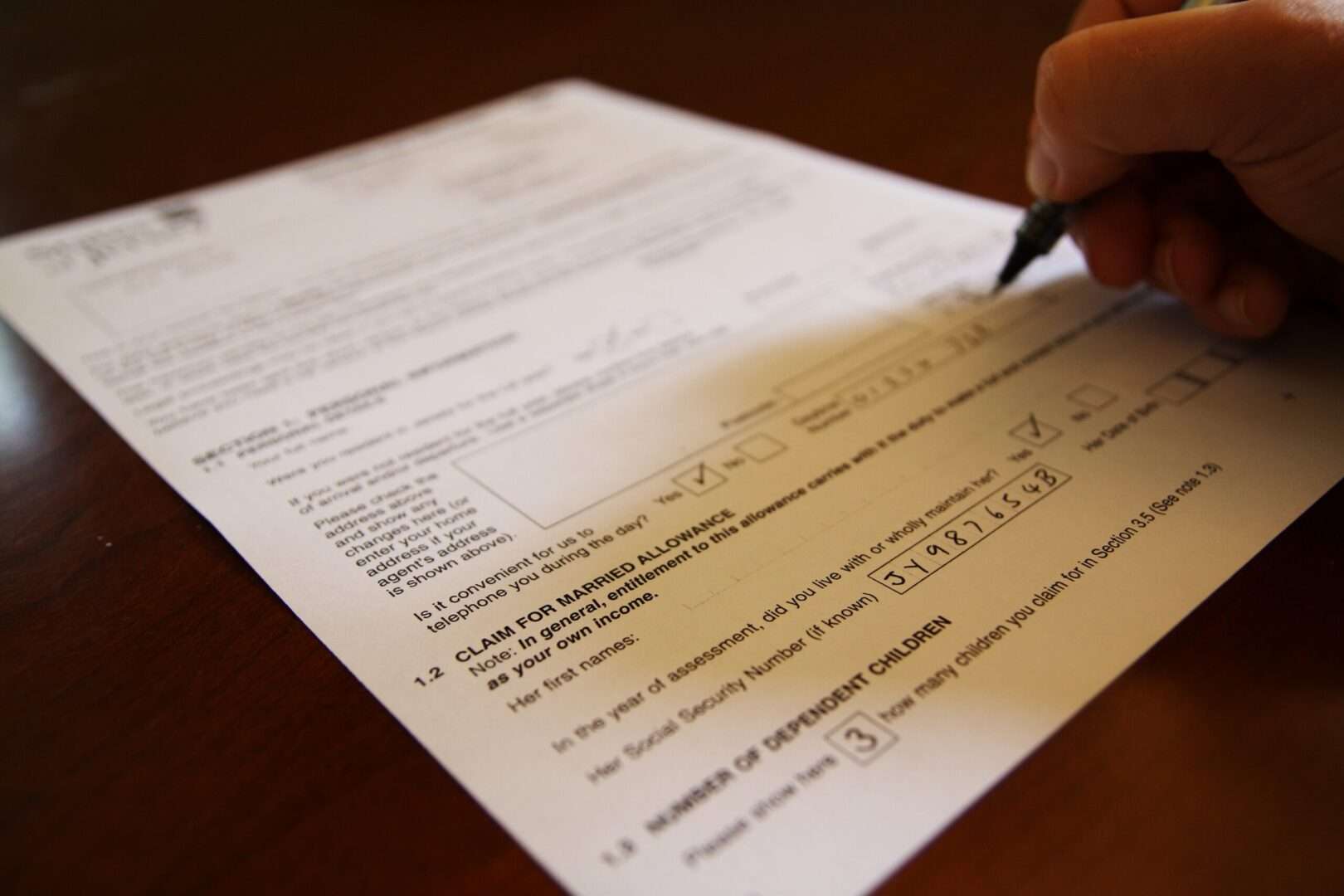
What a Promissory Note Actually Is
A promissory note is a written promise by one party to pay a specific sum to another, on defined terms.
The person promising to pay is the maker, sometimes called the borrower. The person entitled to payment is the payee, or holder. In a business sale with seller financing, the buyer is the maker and you are the payee.
Why the document carries so much weight
A note does something a general contract does not. It stands on its own as an instrument, which makes it more straightforward to enforce than a claim buried inside a longer purchase agreement.
If the buyer stops paying, you can sue on the note directly. You do not have to litigate whether the underlying business sale was properly performed, which is a meaningful procedural advantage.
Where it fits in the transaction
The note rarely travels alone. In a properly structured seller-financed sale, it sits alongside a security agreement, a UCC-1 filing, and usually personal guarantees.
The purchase agreement documents the sale. The note documents the debt. Confusing the two, or trying to make one do the work of both, is a common and expensive mistake.
Think of the note as the spine of your post-closing position. Everything else attaches to it.
Key Elements Every Note Needs
A note missing any of these creates a gap someone will eventually exploit.
Principal amount. The exact sum owed, stated numerically and in words.
Interest rate. The annual rate, and whether it is fixed or variable. More on rate selection below.
Payment schedule. Amount, frequency, and due dates. Specify whether payments apply to interest first or principal first.
Maturity date. When the final payment is due. Note whether a balloon payment closes it out.
Prepayment terms. Whether the buyer may pay early, and whether any penalty applies.
Default definition. Precisely what constitutes default. Missed payment, and after how many days? Breach of another agreement? Insolvency? Sale of the business?
Cure period. How long the buyer has to fix a default before you can act.
Acceleration clause. The right to demand the entire remaining balance upon default. Without this, you may be limited to collecting only the missed installment.
Late fees. A specific charge for late payment.
Attorney fees provision. The prevailing party recovers legal costs. In California this matters enormously, because absent such a clause you generally bear your own fees even after winning.
Governing law and venue. California law, and a Los Angeles County venue.
Signatures. Properly authorized signatures, with entity authority documented.
Types worth knowing
Notes come in several structures. An installment note amortizes over the term. A balloon note keeps payments low and leaves a large final sum. A demand note is payable whenever the holder asks, which offers flexibility but complicates the buyer’s planning.
Notes are also secured or unsecured, which is the single most consequential choice you will make.
Secured Versus Unsecured
An unsecured note is a promise backed by nothing but the buyer’s willingness and ability to pay.
A secured note gives you a claim against specific property if they stop paying. That difference determines what you recover in a bad outcome.
How security works in a business sale
For business assets, you take a security interest through a security agreement and perfect it by filing a UCC-1 financing statement with the California Secretary of State. Perfection is what establishes your priority against other creditors.
If real property is involved, a deed of trust secures your position against that asset.
The priority problem
Your position depends on who else has a claim. A bank with an existing loan and a prior UCC filing sits ahead of you, which means their claim gets satisfied first.
Check for existing filings before closing rather than after. Discovering a senior lender in a default scenario is the worst possible timing.
We have written separately about UCC filing errors, and those mistakes are worth understanding, because a defective filing can leave you effectively unsecured while believing otherwise.
Personal guarantees
If your buyer is an LLC formed to acquire the business, that entity may hold nothing beyond the assets you just sold them. A personal guarantee from the owners puts their individual assets behind the debt.
Buyers resist this. Ask anyway, and understand what you are accepting if they refuse.
California Legal Requirements
Several California rules shape what your note can say.
Usury
California limits interest rates on certain loans through constitutional and statutory provisions. Numerous exemptions exist, including for various licensed lenders and certain transaction types.
Whether a seller-financed business sale falls inside or outside those limits depends on how the transaction is structured and characterized. The analysis is genuinely technical, and the consequences of exceeding a usury limit can include losing interest entirely.
Have counsel confirm your rate before you paper the deal.
Statute of limitations
Actions on a written contract in California generally must be brought within four years. That period is measured from breach, and each missed payment may start its own clock depending on the note’s terms.
Waiting to enforce can cost you the right to enforce.
Written form and clarity
Get everything in the document. Oral modifications to payment terms create disputes that are difficult and expensive to resolve.
If you later agree to defer a payment or restructure the schedule, document it in a written amendment signed by both parties.
Notice provisions
Specify how notice must be delivered and where it must go. Certified mail to a stated address removes any later argument about whether the buyer received your default notice.
Update that address if the business relocates. A notice sent to an abandoned office satisfies nobody.
Choosing the Interest Rate
Rate selection involves more than negotiating a number you both accept.
Below-market rates create tax issues
Federal tax rules can impute interest when a rate falls below applicable benchmarks. That means the IRS may treat you as having received interest income you never actually collected.
Sellers sometimes offer a low rate as a goodwill gesture during negotiation, then discover a tax consequence they never modeled. Coordinate the rate with your CPA before agreeing to it.
What the rate is actually doing
Interest compensates you for two things: the time value of money and the risk that you do not get paid.
A buyer with a strong balance sheet, meaningful cash at closing, and personal guarantees presents less risk than a thinly capitalized entity with minimal equity in the deal. Your rate should reflect that difference.
Fixed versus variable
Fixed rates give both sides predictability. Variable rates shift interest rate risk onto the buyer, which they may resist and which complicates their own planning.
Most seller notes in this market use fixed rates. Simplicity has real value in a document you may need to enforce.
Rate and price move together
Remember that rate and purchase price are linked. A buyer pushing for a lower rate is asking for a discount, and you can treat it as one during negotiation.
Some sellers accept a lower headline price with a stronger rate and better security. Others do the reverse. Model both before deciding which trade serves you.
Mistakes That Cost Sellers Money
Six patterns recur in these transactions.
Skipping security entirely. An unsecured note in a business sale is close to a handshake. If the business fails, you stand in line with every other unsecured creditor.
Vague default language. “Failure to perform obligations” invites argument. Specify exactly what triggers default and exactly how many days of grace apply.
No acceleration clause. Without one, a buyer who stops paying may leave you suing for individual installments as they come due, repeatedly.
Omitting the attorney fees provision. Enforcement costs money. A clause shifting fees to the losing party changes the economics of both litigation and settlement negotiation.
No financial reporting covenant. Require periodic financial statements. Early warning of trouble is worth far more than discovering a problem when payments stop.
Failing to address a subsequent sale. What happens if the buyer sells the business before paying you off? Address assignment, assumption, and whether the note accelerates.
Accepting a note from an entity with no assets. A newly formed acquisition LLC often holds nothing except what you just sold it. Without guarantees or security, your recourse is limited to an entity that may be worth nothing if the business declines.
Never following up. Sellers who go quiet for two years and then discover missed payments have weakened their own position. Track payments monthly and address the first late one promptly.
Enforcing the Note
Understand the sequence before you need it.
The standard path
A missed payment triggers your notice obligation. Send written notice consistent with the note’s terms, observing the cure period exactly.
If the default persists, accelerate the balance in writing. From there you can pursue the collateral, sue on the note, or negotiate a workaround.
Collateral versus judgment
Secured creditors have options unsecured creditors do not. You may be able to foreclose on your security interest, which is generally faster than litigating to judgment and then attempting collection.
An unsecured holder must sue, obtain a judgment, and then locate assets to levy. That process takes considerably longer and often recovers less.
Practical considerations
Enforcement costs money and time. Sometimes a restructured payment schedule recovers more than aggressive action against a struggling business.
That judgment call depends on the buyer’s actual financial position, your collateral, and how much remains outstanding. Make it deliberately rather than reactively.
Document every step
Keep records of payments received, notices sent, and conversations held. If enforcement becomes litigation, that file is your evidence.
Sellers who handled defaults informally by phone often struggle to establish what was agreed and when. Written communication protects you even when the relationship is still friendly.
Get the Note Right Before You Sign
A promissory note is the document that determines whether your sale proceeds arrive. Everything else in the transaction assumes it works.
Alternatives exist and sometimes fit better. Escrow holdbacks, earnouts tied to performance, and third-party or SBA financing each shift risk differently. Occasionally the right answer is taking less cash upfront from a stronger buyer rather than more from a weaker one.
Pankaj Raval and our team at Carbon Law Group draft and negotiate seller financing documents for Los Angeles business owners, including the note, the security agreement, the UCC filings, and the guarantees that make the package enforceable. We coordinate with your CPA on rate and tax treatment, because those decisions belong in the same conversation.
If you are selling a business and financing part of the price, contact Carbon Law Group at carbonlg.com before the purchase agreement is final. The protections that matter are negotiable now and nearly impossible to add later.
 Take the next step book your consultation today, and safeguard your brand’s future.
Connect with us: Carbon Law Group
Visit our Website: carbonlg.com
 [Pankaj on LinkedIn]
[Sahil on LinkedIn]