
Your product just went viral and then you get a cease and desist: surviving the IP Wild West

Home / Podcast / Your product just went viral and then you get a cease and desist: surviving the IP Wild West

Your product just went viral and then you get a cease and desist: surviving the IP Wild West

Picture this: your product goes viral, orders triple overnight, and then you get a cease and desist. Or worse, your AI generated logo looks a lot like someone else’s trademark. Welcome to the new IP Wild West. E-commerce sellers, creators using AI, and anyone working with overseas suppliers are on the front lines. Intellectual property is now both your greatest asset and your biggest legal exposure.

This post breaks down the principal IP risks you will see today. Each section is practical and packed with examples, small case studies, and clear next steps that small and mid-size businesses can take right away. We also explain how having experienced counsel at your side can turn an existential threat into a manageable commercial outcome.

Read this if you sell online, use AI tools for content or imagery, import products, or license creative work. If you already received a cease and desist, do not ignore it. Get help immediately.
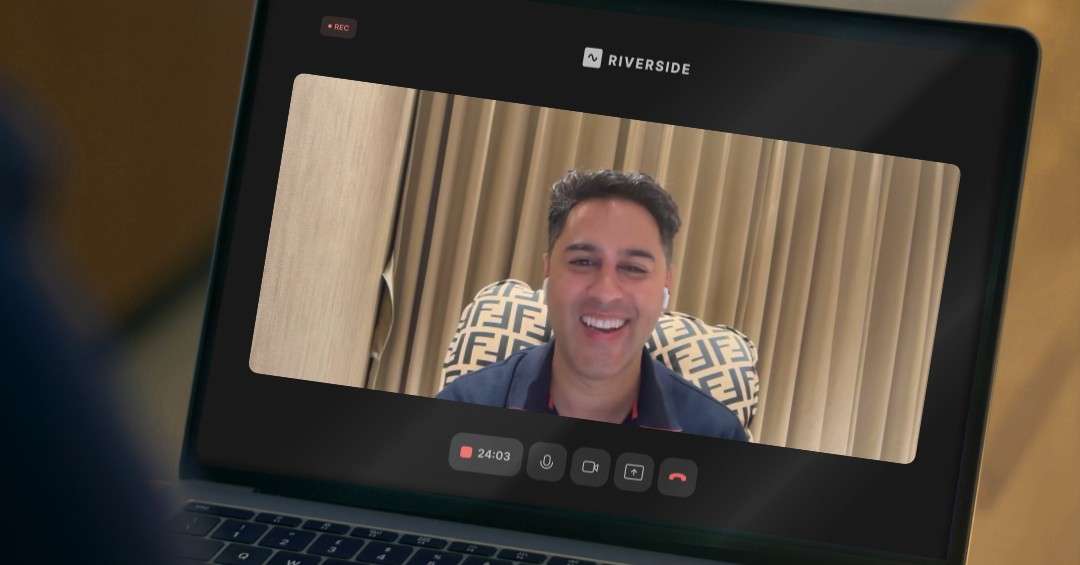
Attorney recording a podcast on intellectual property risks in e-commerce and AI.
Carbon Law Group discusses the rising IP risks facing AI and e-commerce businesses.

1. AI generated content and new copyright landmines

AI tools can produce remarkable content quickly. That speed is also the source of the risk. Most widely used AI models are trained on huge datasets pulled from the web. Those datasets often contain copyrighted writing, images, music, and code. When the model generates content, the result can be substantially similar to copyrighted works the model saw during training. The law on exactly how training and output interact is still developing, but courts and claimants are already active.

Real world example. A client of ours used an AI tool to draft blog posts. A competitor sent a nasty cease and desist alleging substantial similarity to material on its site. Our investigation showed the AI output included turns of phrase and structuring that mirrored the competitor’s articles. The competitor argued the AI effectively regurgitated its content. We negotiated and reworked the posts, but it was a costly distraction that could have been avoided with safer practices.

Practical risks you face with AI output

  • Copyright claims for text, images, audio, and code. Even if you did not copy directly, similarity can be actionable.

  • Trademark risk when logos, names, or taglines are generated that resemble existing marks.

  • Trade secret risk where internal confidential inputs are exposed in a way that undermines exclusivity.

  • Reputation and takedown risk if platforms receive DMCA notices or brand owner complaints.

What you can do right now

  1. Use licensed tools. Prefer AI providers that explicitly state they trained on licensed or proprietary data and that grant clear usage rights. Adobe, for example, advertises different rights for content created in its ecosystem. Read the terms.

  2. Human review and clearance. Treat AI output as a first draft. Run similarity checks and edit for uniqueness. Use plagiarism and image-similarity scanning tools before publishing.

  3. Register important works. For content and creative works that matter to your business, register copyrights and trademarks early. Registration creates statutory remedies and strengthens your position.

  4. Build contract clauses with vendors and freelancers that require warranties of originality and indemnities for IP infringement. Get those promises in writing.

  5. Keep records. Document what prompts you used, what editing you performed, and which AI tool produced the output. That information may matter in a dispute.

Bottom line. AI is a productivity multiplier, but you must adopt workflows that minimize legal exposure. Don’t assume “generated by AI” means risk-free. Be deliberate about provider choice, human oversight, and clearance.

2. You can be both the victim and the violator: supply chain IP risk

Small companies often source products from overseas manufacturers or resellers. That convenience hides a powerful risk: you may unknowingly distribute infringing goods. Many sellers assume the supplier vetted the designs and licenses. That assumption is dangerous.

Case study. A small hardware brand bought a line of trendy phone accessories from a Chinese supplier. The supplier marketed the items as free to resell. Months later the buyer received demands from a major international brand claiming patents and design rights. The small buyer discovered it had sold products that infringed U.S. patents. The supplier denied liability and refused meaningful indemnification. The buyer faced potential recall, lost sales, and legal exposure.

Why this happens

  • Suppliers may rebrand or resell third party designs without disclosing third party rights.

  • Some suppliers manufacture near-copies of patented or trademarked items and market them to resellers as safe.

  • Contractual protections are weak or absent. Many transactions begin as emails or sample approvals, not fully negotiated agreements.

  • Cross-border enforcement is difficult. Even if you have contractual remedies, collecting on them abroad is costly.

How to protect your business

  1. Require IP warranties and indemnities. Make suppliers warrant that products do not infringe third party rights and that they will indemnify you for IP claims. Insist on a clear scope and financial cap.

  2. Oblige suppliers to provide provenance documentation: copies of design registrations, licenses, or assignments related to the items you buy.

  3. Add audits and quality controls. Include the right to audit supplier design sources and manufacturing records.

  4. Limit exclusivity and distribution until you complete rights clearance. Avoid heavy commitments until you confirm IP cleanliness.

  5. Purchase insurance. Look for product liability and intellectual property insurance policies that can help cover defense costs and limited settlements.

  6. Vet your suppliers. If possible, work with suppliers recommended by trustworthy industry partners or with verifiable reputations.

Contract clauses that matter

  • Representations that the supplier owns or is licensed to grant IP rights.

  • Indemnity for claims, and payment of defense costs.

  • Choice of law and dispute resolution provisions specifying accessible forums and mechanisms.

  • Termination rights if an IP claim arises.

The takeaway. When you outsource production, ownership of the final product does not equal freedom to sell it. Taking basic legal steps before scaling can prevent catastrophic exposure after you go viral.

3. Fan merch, counterfeits, and statutory exposure

Selling fan merch can feel like low-risk commerce. Fans love T-shirts, mugs, and posters with artist names and images. But using famous names, logos, or likenesses without permission can be treated as counterfeit sales. Statutory damages in trademark laws and counterfeit statutes can be severe.

Concrete example. One of our clients sold T-shirts featuring the names of popular musicians. They believed using a name was harmless and that the marketplace tolerance was high. A rights holder sued, initially seeking millions in damages. After negotiation the case settled for a fraction of the initial demand, but the settlement included a six-figure payout and a long-term compliance program. The seller lost substantial profit and had to overhaul supply and IP processes.

What to watch for

  • Names, stage names, and likenesses can be protected as trademarks or as rights of publicity. Unauthorized commercial use invites claims.

  • Merchandise described as “inspired by” often does not avoid liability if the use confuses consumers or appears to be authorized.

  • Online marketplaces are aggressive in policing infringing listings. A takedown can shut your revenue stream in hours.

  • Customs enforcement is active. Brand owners record their marks with customs agencies. Shipments of counterfeit goods can be detained and destroyed.

Risk-mitigation checklist

  1. License first. Get written permission or licenses from rights holders before using their names or images.

  2. Use disclaimers with caution. Disclaimers do not negate confusion or offset unlawful use.

  3. Implement pre-sale clearance workflows. Vet designs and confirm permissions before uploading listings.

  4. Track supply chain compliance. Ensure manufacturers and suppliers have licenses and do not source artwork from third parties without rights.

  5. Prepare a DMCA and takedown response plan. Know the marketplace policies and how to respond to notices.

  6. Consider settlements strategically. If you receive a demand, gather facts, check seller history of the claimant, and seek counsel before responding to aggressive demands. Many claims can be resolved for lower sums rather than risking an expensive judgment.

Regulatory reality. Statutory remedies vary by jurisdiction. In the United States, some trademark or counterfeit statutes can expose infringers to millions in statutory damages plus attorney’s fees, particularly for willful infractions.

The practical lesson. Assume fan-related merchandise requires permission. The economics of a sale and an initial profit are not worth the risk of a crippling claim. When in doubt, obtain a license or avoid the design.

4. Famous marks, dilution, NFTs, and the fashion knockoff economy

When a mark is “famous,” it gets special protection. Famous brands can claim dilution, even where there is no confusion about source. That legal doctrine played a central role in the Metabirkins case. The creator sold NFTs that evoked Hermes Birkin bags. Courts found the use diluted Hermes’ famous mark, and damages followed.

Why famous marks matter

  • Famous marks get wider protection against uses that blur distinctiveness or tarnish reputation.

  • Artistic expression defenses are harder to win against a truly famous mark when the commercial element is strong.

  • The NFT context raised novel issues: is a digital collectible commerce or art? Courts have increasingly treated high-volume, marketed NFTs as commercial uses that require permission.

Fashion and the knockoff economy
Fashion presents a paradox. In many jurisdictions the actual garment shape or silhouette is difficult to protect under copyright. However, logos, distinctive patterns, and certain prints are protectable. Fast fashion retailers often iterate on runway looks, sometimes inviting claims. Yet, the industry still thrives on rapid iteration.

There is an ongoing debate: does weak protection spur innovation? Some argue that easier copying democratizes style and accelerates trends; others say it discourages original design investment. The law’s mixed approach means fashion companies need smart, pragmatic IP strategies.

Practical advice for fashion and creative brands

  1. Register what you can. Patterns, prints, logos, and unique graphic designs should be copyrighted and trademarked when possible.

  2. Enforce selectively. For small brands with limited legal budgets, prioritize enforcement against high-impact infringers or bad faith operators.

  3. Consider customs recordation and marketplace brand programs. These mechanisms help block counterfeit imports and remove infringing listings quickly.

  4. When using parody, commentary, or art to engage with a famous mark, consult counsel first. The line between legitimate expression and infringement or dilution is narrow and fact specific.

  5. Use technology. Image monitoring, trademark watch services, and marketplace scanning can find infringing listings fast.

NFTs and digital goods

  • Treat NFTs like any other commercial product. If an NFT evokes a famous brand or uses trademarked elements, the safest path is to clear rights.

  • If you intend to create commentary or art, document the expressive purpose and keep commercialization modest, but do not rely on that alone.

The takeaway. Famous marks command serious legal protection. In fashion and creative markets, adapt a layered strategy: register core assets, monitor the market, and decide where enforcement creates the most business value.

5. Practical steps every e-commerce or AI business should take now

You now understand the landscape. Here is an actionable roadmap that small and mid-size businesses can implement quickly to reduce IP risk and strengthen commercial resiliency.

  1. Conduct an IP audit annually
    List your trademarks, registered copyrights, patents, and trade secrets. Identify work created by contractors and confirm ownership assignments are in place. An IP audit reveals vulnerabilities and licensing opportunities.

  2. Implement clearance workflows
    Before launching new products, run trademark searches and image similarity checks. For AI output, run plagiarism scans and verify licensing terms with the provider. Log results and keep decision records.

  3. Contract with care
    Require IP warranties and indemnities from vendors and suppliers. Get written IP assignment clauses for work made for hire. Ensure contracts state governing law and dispute resolution forums you can access and enforce.

  4. File early and globally where necessary
    File trademark applications early in key markets. Many jurisdictions operate on first-to-file rules. Consider strategic filings in countries where you plan to sell or that are critical manufacturing hubs.

  5. Monitor the market
    Use a trademark watch service to catch confusingly similar marks and counterfeit listings. Monitor social media for unauthorized use of your brand elements.

  6. Respond to notices professionally
    If you receive a cease and desist, do not ignore it. Gather facts, preserve records, and consult counsel. A measured legal response can often avoid expensive litigation.

  7. Insurance and contingency planning
    Look into IP liability insurance and product recall insurance. These products can defray litigation costs and settlements in many cases.

  8. Educate your team
    Train marketing, product, and procurement staff about IP red flags. A few smart checks by non-lawyers can prevent huge downstream costs.

  9. Build relationships with reputable suppliers
    Vetting and maintaining long-term supplier relationships reduces the odds of receiving infringing goods. When possible, prefer suppliers that provide provenance documents or licenses.

  10. Strategize enforcement
    Decide what kinds of infringers you will pursue aggressively and which you will let slide. For many startups, selective enforcement is the most cost effective route.

How Carbon Law Group can help
We perform IP audits, negotiate supplier agreements and license deals, defend and respond to takedown notices, and represent clients in settlements and litigation. When a letter lands in your inbox, our team can assess exposure, pressure test the claimant’s demands, and negotiate practical outcomes that keep your business running.

Conclusion and next steps

The intersection of AI, e-commerce, and global manufacturing has created an IP landscape that is both opportunity rich and risk heavy. Viral success is intoxicating. It is also when you are most visible and most exposed. The best risk management blends practical legal measures, strong contracts, proactive IP clearance, and sensible insurance. If you sell products, work with designers or developers, or use AI in your content pipeline, take immediate steps to audit and shore up your IP position.

If you received a cease and desist or want an IP audit, reach out. A short, targeted consultation can prevent a crisis and help you scale with confidence.

🔗 Learn More
Website: carbonlg.com

Your product just went viral and then you get a cease and desist: surviving the IP Wild West

Pankaj Raval (00:03)
Picture this, your product just went viral, sales triple overnight, and then bam, you get hit with the cease and desist for trademark infringement. Or worse, your AI generated logo turns out to be similar to someone else’s trademark. Welcome to the new IP Wild West.

Welcome to Letters of Intent. I am Pankaj Ravel and I’m joined by my co-host Sahil Chaudry. Sahil, how are you today?

Sahil (00:26)
doing great and I’m very excited about our topic today.

Pankaj Raval (00:30)
Yes, Sahil is talking to us from the other side of the world in India, with his ear to the to what’s terms of global trade. today we’ve got a very exciting episode. Today we’re talking about how AI and e-commerce are rewriting the rules of ownership. going to be diving into intellectual property as your biggest asset and also your biggest liability, in the world of e-commerce and AI. So if you have an AI business, you have an e-commerce business, if you

are involved in those businesses. This is an episode that’s for you and you wanna make sure you’re paying special attention and reach out to us if you have any questions because I think we’re gonna cover a lot of really important stuff that’s going on today. The world’s moving fast and you gotta be in the know otherwise you’re gonna be facing serious exposure.

Sahil (01:08)
So, Pankaj you you’re right. in Mumbai and today the world has never felt smaller. I mean, between being able to video chat, I mean, the world ChatGPT at their fingertips, e-commerce, your manufacturer, your selling, we are in a very interconnected global people are working together, people are designing together, people are creating together, and people are stealing IP from each other too.

So I wanna give an example here. Your product listing just went viral, sales tripled overnight, and then bam, you get a cease and desist for trademark infringement, or worse, your AI-generated logo turns out to be similar to someone else’s trademark. Welcome to the new IP Wild West. Pankaj you have a lot of experience with IP, and it seems like the space is being transformed, so I wanna…

kick off this conversation by asking you, what would you do in a situation like that? How are we supposed to think about the new rules around IP?

Pankaj Raval (02:04)
Yeah, know, Sahil, is real life example. I we’re seeing this happen right now. We are getting notices from clients who have been accused of trademark infringement, of copyright infringement, even for one client who was publishing blogs early ChatGPT first came out, and they got a cease and desist letter, a kind of a nasty demand letter from a competitor.

and the competitor’s saying, you you’re essentially stealing our blog content. And while my client created it in ChatGPT, interestingly enough, content that my client was using was somewhat similar to what was being on the competitor’s website. So means that ChatGPT probably used that data for training and then spit out something similar. So it just shows you that you’ve got to be extremely vigilant today with the content you put out, even if it’s

done by AI and ChatGPT people have got to know that it’s trained on content that’s already out there. And oftentimes it’s copyrighted content. Oftentimes is content from major news sources. They don’t always have the access or the rights to this as we’ve discussed in the past. now there’s a big York Times and Anthropic. There’s also a lawsuit in the UK going on.

right now Stability AI. So this is all working its way through the courts and there’s gonna be a lot of about this. I know there was like a $1.5 billion resolution recently with Anthropic. So it was a settlement. this stuff is all coming to head now and people are gonna recognize that law generally is slow to catch up, but it will catch up and people are gonna figure out monitor this, to monetize this.

And a matter of time until you might get a cease and desist unless you’re doing the right work ahead of time as far as clearing your copyrights, clearing your trademarks, making sure that no one else has a confusingly similar brand even if you created something using AI.

Sahil (03:51)
So to kind of take a step back, if you are a small business or a large business today, you’re dealing with AI art scraping, counterfeit products, software code reuse, other forms of data scraping. You are in a landmine in terms of figuring out what is protected and owned versus what is

available for you to use and the blur there’s a very blurry line now between infringement and inspiration ⁓ and it’s it’s not just you know big brands anymore small businesses are getting caught in the crossfire and it seems like they’re often both the victim and the violator without realizing it ⁓ yeah have you seen that play out for our clients where they’re both the victim and the violator

Pankaj Raval (04:23)
Yeah, absolutely.

Absolutely,

I think it does happen in a lot of different contexts. We’ve had issues with clients had patent disputes and they were a victim in the sense that they bought the products from a distributor out of China who said, yeah, this is our booklet of all the different items you can sell. You can put your brand on them and you can sell them. And then they were also the violator, which it turns out that

well, actually, these some of these items were patented by a very large company and they had no idea. the issue is then what do do? Right. Can you go after this company in in China? Are they going to indemnify you? Probably not. You know, this is where it gets really complex when you talk about cross border deals and people have got to know what are the rights? What are the remedies when dealing with someone cross border? If you’re dealing with some of the US, that’s one thing you have contractual rights. You can enforce those rights in certain states based on

choice of law, but it gets a lot more complex and potentially a lot more expensive now when you’re dealing with someone overseas. How do you enforce the law? Where do you enforce the law? What are they gonna do? Are they gonna pay you? Do they have money to pay you? So these are all things you gotta think about when you’re entering into deals in cross-border transactions and why I believe, not to toot our own horn, but why counsel is so important because you can really be caught with your pants

not careful.

Sahil (05:57)
That is so true. As counsel for a number of fashion brands, I found that the supplier agreements were often handshake deals. And we would implement contracts and supplier agreements that would include IP provisions. But most of the time, small to mid-sized businesses are getting involved with a supplier, not knowing where the artwork is coming from that is being used as part of the manufacturing.

not knowing if there’s a license involved when they are using or some kind of design element. And like you’re saying, this creates a downstream effect where you can be the victim of someone else’s copying infringement without knowing it. And then now you become the violator and you’re passing that downstream.

So what are some tools that our clients could use to try to avoid that? must be some kind of defensive measures, some kind of preventative measures client could use when they’re working, let’s say, with a manufacturer.

Pankaj Raval (06:54)
Yeah, know, it’s a great point. It’s a great question would think in today’s age, there’s going to be more tools to help people kind of clear these things. know on the trademark side, because we do so much trademark work, there are a lot of like great tools out there that we use, that we pay a lot of money for to help clear trademarks to help, at them, look at the use because the thing is, to create a brand, you got to look at not just the rights here in the US, but really should be looking at, who’s using this name globally?

because if you’re trying to expand into other countries, you may have problems using that name in China or the UK, because now that could severely restrict, especially if you’re an e-commerce product, where you could sell it. So of course it depends on the type of product, if it’s a service, it may not matter as much, things to keep in mind. then on the copyright front, yeah, you should be clearing copyrights, you should be understanding, okay, you created it on…

using AI, you want to make sure you’re using an AI service that has rights to it. So for example, Adobe, believe, Adobe Fireflies, I think trains its graphic generation on its own if you create it in their Adobe, then have the license to it. But those are things to keep in mind, because if you’re now using other services out there, other models that maybe…

train on data it doesn’t have license to it just scrapes. Now you could be running into issues later it used and repurposed data or images have rights to. copyright, trademark, these are not like okay exact match issues. There’s not even, you there’s a myth out there that’s saying if you use less than 70 % of an image then you then you’re not violating the copyright. That’s not true. You copyright is all seen on a case-by-case basis.

Sahil (08:21)
Right.

Pankaj Raval (08:27)
And you have to recognize there’s statutory damages involved in copyright law, where if you’re found to be in violation of a copyright, now you could $750,000 to $15,000 initially. If it’s willful, a whole lot more, up to $150,000. These are significant amounts of money that you could be looking at. So you want to think about registration of the copyright, and also you want to think about trademark or patent, the offensive mechanism, but also defensively.

clearing these things, clearing patents, trademarks, clearing copyrights, and even evaluating your trade secrets too to determine what can be protected, how do you protect it, because the name of the game is IP going forward, and you want to make sure you have a very strong system and process around protecting it and ensuring that you can secure the integrity of that IP.

Sahil (09:13)
brought up something really interesting, which I think we usually treat as boilerplate and just venue and choice of law. If you are a business today, that’s a very, and you have IP, that’s a very important provision to pay attention to. What do we usually suggest if someone’s doing border transaction? Do we usually suggest an international arbitration group? Do we usually suggest that a client go with a certain country?

In terms of venue, how do you think about venue in Choice of Law?

Pankaj Raval (09:41)
Yeah, it’s a great question. It’s a very kind of complex question and very important though. A lot of people don’t think about it. You’re right. A lot of people just gloss over it in a contract. as lawyers, you and I deal with this daily pretty much, is a very important question and oftentimes can be a lot of back and forth because where venue is, where the choice of law could really matter in terms of your rights.

So yes, it’s a truly international transaction, commercial transaction, then you can, and depending on the size of the parties, think international arbitration is great. services, there’s courts that you can use for international arbitration. if you’re a US company, if you can get the venue and governing law in the US even better for you, some clients are gonna want it in the UK, you just to think about.

travel, does that look like, you have to hire counsel there now if there’s a better to have a home court advantage I think almost all situations. if there are, if these are large, two large companies, then I would say international arbitration is a great option.

Sahil (10:35)
You know know that we had a client that was selling t-shirts with the names of famous pop stars and it turns out those names are trademark and by putting the names on t-shirts that client was selling counterfeit goods. What level of exposure does someone have who’s in a position like that? is this that serious?

Pankaj Raval (10:53)
Yeah, know, it’s an interesting issue because people think, you see people selling t-shirts all the time outside Staples Center or sorry, crypto.com arena and all these other venues. You see it everywhere and people now are doing it online all the time. But if you don’t have the rights to images, if you don’t have the rights to those names, now you could be facing serious liability and that’s actually considered counterfeit.

you violated counterfeit laws and those statutory violations could go up to $2 million if they’re willful. It depends on what is actually violated. The reality is that oftentimes when we look at judgments by courts, even if they are pretty egregious, you don’t see them to be in the million dollars or maybe in the hundreds of thousands of dollars, could get up there

now when you’re looking at attorney’s fees that could be also on the hook for, be a lot more than that. you’re selling stuff online and you don’t know always the source or if you know the source, you made these products and you didn’t get clearance for some of the the trademarks could be the pop star names images, then be liable for significant damages.

was almost a six figure settlement. had to negotiate and that was after a long time where initially they asked for damages in the millions. So we were able to negotiate it down significantly, doing our diligence, looking at what other cases these people have filed. We worked hard to figure our angles to get this as low as possible and eventually we were able to settle on something over long period of time terms of payment.

that was feasible for my client, learned a hard and expensive lesson. And help him out. But these are issues that come up all the time. you do get a cease and desist, if you do get a lawsuit, someone files against you for copyright trademark, we can definitely help you and help try to negotiate a favorable resolution for you so you’re not stuck litigating worst case with a massive judgment that you’ve now got to deal with.

Sahil (12:39)
So I want to kind of, for the sake of our audience, just go through briefly we just talked about trademarks, which are logos, brand names, product names, but there are other categories of IP. We have copyrights, which are your content images, music code, AI outputs, your patents, which are inventions, designs, processes. You have trade secrets.

formulas, algorithms, data. So want to ask you of these categories, where do you see for a business today is the highest risk of potential infringement?

Pankaj Raval (13:10)
That’s a good question. The highest risk of potential infringement, would say, a lot of use of AI-generated images out there, but even content, blog content, something we’ve seen. I I’ve seen that actually firsthand where people argue of the text used without also falls under copyright. So think copyright…

is one of the biggest areas that we’re seeing, but also trademarks. If you’re seeing people creating digital goods similar trademark names, very much see a trademark claim come up as well. So think trademarks, copyrights for sure are big ones. are interesting. I haven’t seen as much on the patent side of things.

AI disputes, I’m sure there will be. then trade secrets are more internal formulas, secrets are generally protected by contract, so you’re not going to much. if someone does steal trade secrets, that’s still going to be… could even come I could foresee someone putting in trade secrets into ChatGPT or Claude.

And now is that disclosure? Does that void your claim to trade secrets? I bet you that could be a case that we could see in the future.

Sahil (14:17)
ground is moving beneath our feet, I think, as we speak. And speaking of cases, are, yeah, not just because we’re in California, the legal landscape is changing beneath our feet. ⁓ And I’ll briefly go through because there are some really interesting cases that touch on certain forms of artistic expression. So basically, there was this case

Pankaj Raval (14:19)
Very much so.

And not just because we’re in California. That’s because we’re in California.

Yes.

Sahil (14:37)
Hermes versus Metabirkins. And Mason Rothschild created and sold NFTs called Metabirkins which are digital stylized version of Hermes-Birkin handbags. Hermes sues Rothschild for trademark infringement, trademark dilution, cyber-squatting, and unfair competition. Rothschild argued that his NFTs were protected as artistic expression, claiming they were commentary rather than a use of the trademark in commerce. This kind of reminds me of

Nathan for use dumb Starbucks, right? That’s the argument is this is a form of parody or commentary. But the court completely disagreed and on all accounts, trademark infringement, dilution and cyber squatting, Mason Rothschild was found to be infringing and damages of $133,000 were awarded. So I just want to kind of use this as a way, as kind of a

Pankaj Raval (15:07)
Right, Right.

Sahil (15:26)
cautionary tale for our own clients. You know, probably was an argument for some sort of commentary, but it seems like courts are coming down the other way. Courts are coming down on enforcing brand’s rights and in a way that I think could have gone either way. I mean, we do see often people using parody or let’s say the news exception.

as far as fair use is concerned, but it seems like courts are coming down on the side brand alleging infringement. Do you find that to be the case?

Pankaj Raval (15:56)
Yeah, absolutely. I think we are seeing that a lot. And also, I think one key distinction here, as people have to realize, is that Hermes and Birkin are famous brands, are famous marks. And when you have a famous mark, you’re afforded additional protection that maybe you wouldn’t get as a smaller mark. So that’s the issue here. It’s like Coca-Cola and Nikes, they’re going have a much stronger right to protect their trademark than a smaller company like a mom and pop shop.

So that’s also the problem here is that because they’re so well known, they’re susceptible to trademark dilution, is what’s happening, which is what the claim was here is that, by this NFT using this term, they’re diluting the strength of the mark and that’s not okay. There’s laws against that. I think that was the issue here. So I think we’re going to see a lot more of this. think there’s going to be, especially in the, you know, the NFT world, the crypto world. I know there’s all these like meme coins. Actually, someone came to us wanting to create a meme coin using

a very brand and we said, well, do you have the rights to it? They said, no, but I think we can really appeal to them. said, well, if you’re using the brand name, you’re going to make sure you get the rights. kind of quickly backed out. also, it’s big opportunity for these sports brands to expand in these different areas, which I think we see a lot of them doing right now.

Sahil (17:08)
Yeah, I think are seeing the way that the internet and now AI is expanding the scope and rapid rate of potential infringement. mean, this has existed in fashion for a long time. So having represented mean, is rampant in fashion in terms of the rumors related to fashion. I mean, I Pankaj, you have a lot of experience with it too. There were these rumors that like,

If you change something are avoiding infringement, which is not true. fashion, even if you look at major brands, Zara effectively is fashion and copying it more affordable version and reselling the mass market. They’re doing it in a stylized way, but that model of taking what

Pankaj Raval (17:35)
Yeah.

Sahil (17:55)
high fashion is doing and then bringing it down to a more affordable level is kind of fashions, the fashion industry is oxygen. mean, the whole business runs on this. You look at someone Shein or Fashion Nova, that’s the whole business model. And people do it at the mid-level, people also do it, but it’s really rampant and very obvious in the fast fashion segment. That’s where you see, you know, copying where you’re just seeing designs that are

Pankaj Raval (18:04)
Yeah.

Yeah.

Sahil (18:22)
not just major brands, even independent designers will come up with concepts and you’ll just see these fast fashion companies walking trade shows, they’ll be going to boutiques, they’ll be, today online it’s very easy to just take a screenshot, send it to your design team and make a similar version of that for your site. And so,

these getting hit with copyright infringement claims left and right for unauthorized reproduction of artwork. And yet these companies are not backing down. mean, the business model really hasn’t changed. And so you’re kind of seeing the opposite of what we saw in the Hermes-MetaBirkin case where with Shein and Fashion Nova and other fast fashion retailers, it seems like

Pankaj Raval (19:01)
Mm-hmm. ⁓

Sahil (19:07)
Some of the, know, lot of these claims get settled. They’re kind of speeding tickets in the grand scheme of things. But what could be the reason you think fashion is kind of, at least the major players have been unaffected by these allegations of infringement and copying.

Pankaj Raval (19:20)
You know, one of the I started was the Fashion Law years know, we have a background both in fashion an interesting philosophical debate that I’ve always been fascinated by is that, you know, does

the lack of protection fuel innovation. Because if you look at it, there’s a great book actually that was published in 2012 I read many years ago called The Knockoff Economy. And it’s really about that. Like do we see more innovation because there’s less protection or is there less innovation because people don’t want to enter those markets because they know they can’t protect their ideas. You could argue that you probably see more innovation in fashion. Look how much there’s changing in fashion all the time versus maybe other industries where there’s more gatekeeping, right?

protections, there’s more guardrails, in patent law, things like that. So maybe you see less innovation because people can iterate as easily someone has patent protection and they’re afraid of getting sued. So it’s an interesting question. there’s just not a lot of protection for fashion. When it comes to copyright, tangible that people wear, there’s not a lot of protection for that. There is protection for the images, right? If you take a

Sahil (20:21)
Right.

Pankaj Raval (20:21)
photo

of it, you can’t copy that image because that’s the tangible expression of this idea of this fashion piece, itself is not protected. Now I think in Europe it’s a little bit different, I think there’s a little bit more protection in Europe, but in the US there’s not. Same for example in question is how much protection is around for jokes? I think limited copyright there too. So it is interesting that

It also depends on the form different IP. But I think fundamentally, we’re not going to see, unless there’s a big change in law, we’re not going to see any protection. I think Ralph Lauren, I think was the one that said one of the biggest culprits of designs for the last 30 years. admits it freely.

It is an interesting issue, but I think you have to be aware as an artist, as a business person, is protectable as IP and what is not. And that’s why it’s important to go back to look at, OK, trademark, copyright, the four buckets, and figure out, what you created falls into any of those buckets, or if there’s exceptions to the protection, such as fair use, which we could probably talk for another episode about that.

Sahil (21:19)
Yeah.

So, for example, just for our audience, in fashion, the silhouettes are not copyrightable, but the design elements usually are. ⁓ The pattern, right, well, it’s funny because actually patterns are usually referred to the silhouette. ⁓ But yes, the graphics, the design within that garment are usually copyrightable, but

Pankaj Raval (21:29)
Like the pattern, the pattern, right.

Okay.

Sahil (21:44)
Like we’re saying, oftentimes there are iterations of that. And so it’s very hard to tell if the design is actually independently generated or if it is a copy of something else that’s just a derivative use. So like you’re saying, I mean, it’s important to see, least in the examples we just talked about, the trademark is an easier element to enforce oftentimes in the design itself when it comes to fashion. Yeah.

Pankaj Raval (21:55)
Right.

Right. Right. And I

good point you make is people need to recognize what a copyright even protects. And it protects reproduction of that that item as well as all derivative uses. the $100,000 or whatever can be very expensive question to figure out is what you create a derivative use? It comes in maybe

in television, movies, derivative that copyrighted work was? Because if it is derivative, then yes, you’ve committed copyright infringement, again, enough creativity involved that it changes it, transforms it in some way, that it makes it a new work? And that is a massive question and is usually determined on a basis.

Sahil (22:46)
Pankaj thank you so much for this deep dive into IP. think, this is going to be a continuing segment for us because. IP is an extremely valuable asset. the ability to protect your IP has become even more important in the age of AI. It’s complicated. requires a tremendous amount of legal architecture to protect those assets because.

Those are the assets that are going to be valuable in your business. They’re assets that you can sell, that you can license, and that you need to protect. So you need to have an understanding of what you’re actually building, especially today where so many of our businesses are IP based. If you’re participating in the app store, if you are selling online, if you are using ChatGPT, you maybe perhaps unknowingly

Pankaj Raval (23:26)
HURRGH!

Sahil (23:36)
landscape and you’re building intellectual property. And so we really encourage you if you’re one of our clients or if you’re not one of our clients yet and you have a question about IP, be sure to reach out to us. It’s an expertise for the firm and it’s a critical asset that you’re going to use in your business.

Pankaj Raval (23:52)
Absolutely, Sahil. a few takeaways too that people should consider when they’re thinking about IP for their business is just to audit your IP annually. Audit your assets annually. Make sure you understand what IP assets you have. It’s not always clear.

Maybe there’s assets you can license. Maybe there’s some ways you can create some more value out of the IP you have. So working with us, working with someone who specializes in important to understand what is IP? Is it all protected effectively? So we can help with annual IP audits. File early, especially trademarks. Make sure you get your trademarks searched and quickly early because you don’t want to risk someone else taking them. That means also globally. US, an element of use that you have to show.

countries, it’s about first to file. So if you don’t beat someone else and someone else in China sees you using that name here, may very well go and file there and now you’re kind a tough spot. So file early, especially trademarks, and think about your global sure you’re referencing IP ownership in contracts, so you’re understanding who owns IP, especially in JVs. That could be very complicated.

agreements with your developers and your designers. Make sure there’s an IP transfer agreement with all those developers and designers because you do not want any loose ends where people could be creating IP for you and then not have it properly transferred. And now that could also hurt you in the sale of later on. And lastly, don’t ignore cease and desist if you get it. If you get a cease and desist, talk to us. We offer half an hour, hour consultations not a ton of money in the grand scheme of things.

that can help you kind of navigate these and desist letters. Because some firms are much more aggressive than others and you should know which ones and because doing this for many years, we kind of know which ones to look out for and to deal with each one specifically. So those are kind of some takeaways I think that people should keep in mind.

Sahil (25:31)
has been really informative. Thank you all for joining us again on this segment of Letters of Intent. We will be back next week and we hope that you will join us then. Until then, we thank you all for being part of this community. This is a community for risk takers and deal makers and there’s never been a more exciting time to be in the game.

Pankaj Raval (25:54)
Absolutely, I couldn’t agree more. Sahil, thank you for joining us from across the world. Wonderful to always chat and have these conversations for Letters of Intent. If you guys do find this helpful, please like, share, comment. We want to hear back from you. We want to make sure this is as useful as possible for you all.

So until next time, dare to deal.

Get in touch with us

Lead Form Main

The main Lead Form

This field is for validation purposes and should be left unchanged.
Name(Required)