
Why Your Founder-Led Sales Strategy is Doomed to Fail

Home / Podcast / Why Your Founder-Led Sales Strategy is Doomed to Fail

Why Your Founder-Led Sales Strategy is Doomed to Fail

Sales is one of those words that makes many founders uncomfortable. It often brings to mind aggressive tactics, high-pressure pitches, and a personality type that feels completely misaligned with why most entrepreneurs started their businesses in the first place. Founders usually build companies to solve problems, create value, or bring a vision to life. Sales, at least in its stereotypical form, feels transactional and forced.

That discomfort creates a dangerous pattern. Founders become the default sales engine for their companies. At first, this works. They know the product better than anyone. They believe in it deeply. Clients trust them because they are talking directly to the person who built the business.

But what starts as an advantage quietly turns into a bottleneck.

Founder-led sales almost always breaks down at scale. Growth slows. Revenue plateaus. Stress increases. Legal and operational risks pile up in the background. And many founders do not realize what is happening until the damage is already done.

This article explores why founder-led sales strategies fail, what small businesses misunderstand about scaling revenue, and how legal and operational structure must evolve alongside sales. Drawing on insights from sales leaders like Enrico Parodi and the real-world challenges we see at Carbon Law Group, this is a roadmap for founders who want to grow without burning out or putting their businesses at risk.
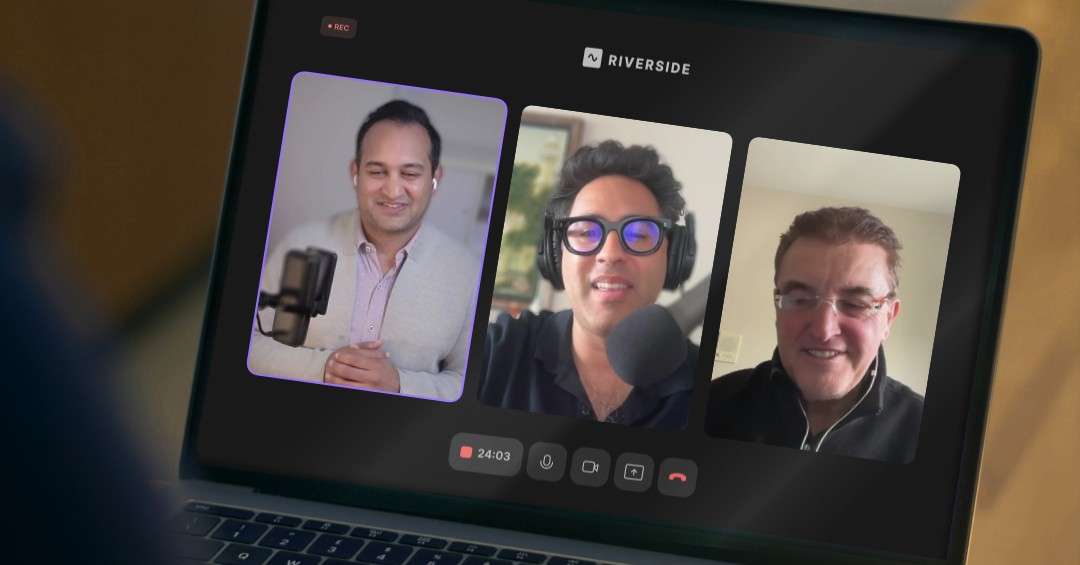
Three men participating in a virtual panel discussion on the Riverside video platform. The screen shows a "REC" indicator and call controls, featuring Pankaj Raval, Enrico Parodi, and Sahil Chaudry discussing founder-led sales strategies.
Founder Pankaj Raval (left) and Sahil Chaudry (center) of Carbon Law Group discuss the pitfalls of founder-led sales with sales strategist Enrico Parodi (right).

The Ego vs Pain Threshold That Traps Founders in Sales

Most founders do not stay in sales because they love it. They stay because it feels necessary. There is a belief, often unspoken, that no one else can sell the product the right way. The founder knows the story, the nuances, the origin, and the why behind the business. Handing that responsibility to someone else feels risky.

This is where ego quietly enters the picture.

Ego does not mean arrogance. In this context, it means emotional attachment to control. Founders tie sales success to personal identity. Deals close because of them. Clients sign because of them. Letting go feels like letting go of relevance.

According to Enrico Parodi, founders rarely seek help until pain outweighs ego. Pain shows up as stalled growth, missed revenue targets, constant firefighting, or personal exhaustion. Until that pain becomes impossible to ignore, many founders stay stuck.

We see this dynamic constantly in small businesses. A founder is closing deals at seven figures in revenue, but growth stops there. They try hiring salespeople, but without a system, those hires fail. The founder jumps back in, convinced once again that only they can do it.

Meanwhile, legal and structural problems start forming quietly. Contracts are inconsistent because the founder negotiates every deal differently. Verbal promises creep into agreements. Sales conversations are not documented. Disputes become harder to resolve because expectations were never standardized.

The irony is that holding onto sales actually increases risk. When sales depend on one person, the business becomes fragile. Investors hesitate. Buyers discount valuations. Compliance gaps grow.

Pain eventually forces a decision. Either the founder evolves, or the business stagnates.

Builders vs Drivers and Why Most Sales Hires Fail

When founders finally accept that they cannot do everything themselves, the next mistake often happens quickly. They hire the wrong type of sales leader.

There are two fundamentally different sales profiles. Builders and drivers.

Drivers know how to operate an existing system. They are effective in companies where processes, messaging, and pipelines already exist. They can hit targets, manage accounts, and optimize performance.

Builders create systems from scratch. They define processes, structure pipelines, build messaging frameworks, and implement discipline where none existed before. Builders are rare, and they are critical for early and mid-stage companies.

Most small businesses hire drivers when they actually need builders.

This mismatch creates predictable failure. The sales leader struggles because there is no system to drive. The founder becomes frustrated. Turnover increases. Trust erodes.

From a legal perspective, this phase is especially risky. New hires are often brought in quickly, without clear employment agreements, commission structures, or performance expectations. Disputes over compensation and termination become common. Poorly drafted incentive plans lead to claims and compliance issues.

At Carbon Law Group, we often step in after the damage is done. Employment agreements need to be rewritten. Commission disputes need resolution. Governance structures need repair.

The smarter move is alignment from the start. If your business needs a builder, structure the engagement correctly. Fractional executives, consultants, or interim leaders often make more sense than full-time hires at this stage. Legally, this requires properly drafted independent contractor agreements, confidentiality protections, and intellectual property clauses.

Sales structure and legal structure must grow together.

The Ideal Client Profile Problem That Kills Profitability

One of the most overlooked causes of sales failure in small businesses is the lack of a defined Ideal Client Profile, or ICP.

Founders often believe that casting a wide net increases opportunity. In reality, it dilutes value. Without a clear ICP, sales teams chase anyone who shows interest. Messaging becomes generic. Profitability drops. Customer satisfaction suffers.

Enrico Parodi emphasizes that in B2B sales, you cannot serve everyone. You must know exactly who you serve, why they choose you, and what problems you solve better than anyone else.

We see the legal consequences of this confusion regularly. Businesses without an ICP often have wildly different contracts for different clients. Terms are inconsistent. Risk allocation varies deal by deal. Liability exposure becomes unpredictable.

For example, a professional services firm may serve startups, mid-sized companies, and enterprise clients using the same contract template. That template inevitably fails someone. Smaller clients demand flexibility. Larger clients impose aggressive terms. The firm absorbs unnecessary risk because it lacks a defined target customer.

A clear ICP allows legal documents to be standardized intelligently. Engagement letters, terms of service, and pricing models can be tailored to the right audience. Disputes become less frequent. Enforcement becomes easier.

Sales clarity protects revenue. Legal clarity protects the business.

Why Structure, Not Hustle, Drives Scalable Sales

Founder-led sales rely heavily on hustle. Long hours. Constant follow-ups. Personal relationships. While this can generate early traction, it does not scale.

Scalable sales require structure.

Structure means documented processes, defined stages, CRM systems, accountability routines, and performance metrics. Without these elements, sales remains reactive and dependent on individual effort.

Enrico Parodi compares sales teams to children in one important way. Without routine, they drift. Structure provides focus, discipline, and predictability.

From a legal standpoint, structure also creates defensibility. When sales processes are documented, it is easier to prove compliance, resolve disputes, and defend against claims. Verbal commitments decrease. Written records increase.

We often advise clients to align sales process documentation with legal documentation. For example, CRM notes should match contract terms. Proposal templates should align with final agreements. Approval processes should be consistent.

When sales and legal operate in silos, risk increases. When they operate together, scale becomes sustainable.

Responsiveness as the Most Underrated Competitive Advantage

In crowded markets, founders often believe they need better messaging, better pricing, or more aggressive tactics. In reality, one of the strongest competitive advantages is reliability.

Responsiveness builds trust faster than persuasion ever could.

Doing what you say you will do, when you say you will do it, changes the entire sales dynamic. Clients stop questioning credibility. Deals move faster. Objections soften.

This principle extends directly into legal risk management. Responsive businesses document communication. They follow through on obligations. They close loops.

We frequently see disputes arise not from bad intent, but from poor follow-up. Missed deadlines. Unanswered emails. Ambiguous commitments. Responsiveness prevents escalation.

Sales teams that are structured, supported, and legally protected are more responsive. They are not improvising. They are executing.

The Legal Risks Hidden Inside Founder-Led Sales

Founder-led sales often feels informal. Conversations happen over coffee. Agreements evolve through email threads. Handshakes still matter.

This informality is exactly where legal risk hides.

When founders negotiate deals personally, they often overpromise. They customize terms verbally. They rely on trust instead of documentation. Over time, these habits create exposure.

Common issues we see include unclear scope of work, unenforceable payment terms, missing intellectual property protections, and inconsistent dispute resolution clauses.

As sales scale, these weaknesses compound. One dispute can consume months of time and thousands of dollars. Multiple disputes can threaten the business.

Transitioning away from founder-led sales is not just a revenue decision. It is a risk management decision. Proper contracts, governance frameworks, and compliance processes protect growth.

Fractional Leadership and Smarter Scaling

Many founders assume their only options are to keep selling themselves or hire a full-time sales executive. There is a third option that often fits better.

Fractional leadership allows businesses to access experienced builders without the cost or commitment of full-time hires. This model provides structure, mentorship, and system design without overextending resources.

Legally, fractional arrangements must be structured carefully. Independent contractor classification, confidentiality, non-solicitation, and IP ownership all require attention. Done correctly, this approach accelerates growth while controlling risk.

We regularly help clients structure fractional executive engagements that align incentives, protect assets, and support scalability.

Why Sales, Governance, and Law Must Evolve Together

Sales growth without governance creates chaos. Governance without sales creates stagnation.

The most successful businesses evolve both simultaneously. As revenue increases, legal structure tightens. As sales teams grow, governance frameworks expand. As founders step back from day-to-day selling, leadership systems mature.

At Carbon Law Group, we work with small businesses at exactly these inflection points. We help founders move from hustle to structure, from risk to resilience, and from founder dependence to scalable systems.

Sales is not optional. Structure is not optional. Legal protection is not optional.

The businesses that understand this early grow faster, safer, and stronger.

Final Thoughts for Founders Ready to Scale

If you are still leading every sales conversation, ask yourself why. Is it strategy, or is it habit? Is it necessity, or is it ego? Is it working, or is it holding you back?

Growth requires letting go. It requires systems. It requires legal foundations that support expansion instead of reacting to problems.

Founder-led sales is not a failure. It is a phase. Staying there too long is the real risk.

If you are ready to build something that lasts, we are here to help.

Guest: Enrico Parodi (Sales Xceleration)
  • Email: eparodi@salesxceleration.com
  • LinkedIn: Enrico Parodi
  • Website: https://salesxceleration.com/advisors/enrico-parodi/
🔗 Learn More
Website: carbonlg.com

Why Your Founder-Led Sales Strategy is Doomed to Fail

Pankaj Raval (00:00)
Welcome back to Letters of Intent, the show where we explore how decisions get made before the deal, before the growth, and before the outcome is obvious.

Sahil Chaudry (00:08)
And today’s conversation is about what every business owner focuses on, sales. But we’re not gonna talk about sales the way most people think about it. This isn’t about scripts, funnels, or hacks. This is not Wolf of Wall Street style selling. This is about leadership, accountability, psychology, and building something that truly lasts.

Pankaj Raval (00:28)
Today, our guest is Enrico Perotti. Enrico is an outsourced vice president of sales who helps small and mid-sized businesses build scalable, repeatable sales engines, especially companies that have momentum but lack structure. He’s worked across global organizations like IBM and Ryco, and today partners with founders in the $3 million to $50 million price range as far as revenue for companies who are trying to turn their effort into predictable sales.

Enrico, welcome to Letters of Intent.

Enrico Parodi (00:56)
Thank you, Pankaj and Sahil. I’m very excited to be here and thank you for having me.

Sahil Chaudry (01:00)
So, okay, we love to get to know our guests on a personal level. I’d say that’s one of Carbon Law Group’s main values is connection and our community. So we want to start personally. Can you tell us a little bit about your early influences and what drew you to sales?

Enrico Parodi (01:17)
As you can understand from my accent, I was not born in the United States, I was born in an engineer by education, but I never liked.

technical things. So I started really out of the gate in a sales position many many almost 40 years ago and the reason why I wanted to focus on sales is really because I like to solve problems and for business problems for my clients, right? And then

I was very successful at beginning, so they saw potential in me to go to the next level, it was a management level, and that was a great ride. I moved from Italy to the United States, and then went back to Europe and then back to the United States, and here since 2001. And so I had a great ride in corporate, I learned a lot about not only selling, but building sales organization and being a sales executive.

A few years ago in 2018 I left corporate because I was really tired of the politics. Things, even if you’re an executive sometimes things are not getting done in the way you would like. And now I enterprises and it’s a great opportunity to have an impact and to give back.

Pankaj Raval (02:34)
Amazing, amazing. Thank you for that background. I have so many questions regarding, your how you’ve kind of traversed parts of the world and cultures. But I have very important question first is as an Italian, Italians we know care about food. What is the best Italian restaurant in LA?

Enrico Parodi (02:51)
This is a standard question so that I receive. So listen, mean, there are, it’s like in sales, you need to qualify, right?

Pankaj Raval (03:00)
Hahaha

Enrico Parodi (03:01)
So

the qualification is, hey, is the owner Italian, number one. Number two are the waiters Italian, because the experience is also very important, not only the food, right? And so my favorite is Osteria Angelini in Beverly Boulevard. That is, I really like the way they cook, but there are many others that are very valuable. I mean, Los Angeles, you can certainly find good Italian food.

Sahil Chaudry (03:06)
Yes.

Pankaj Raval (03:18)
Yes, yes.

Yeah.

Yes, absolutely. Well, yeah, it a critical question. I couldn’t wait to get the answer for it because we need to know it’s really important information for all our listeners. So Osteria Angelini in Beverly Hills, right?

Enrico Parodi (03:36)
Yeah.

Yeah,

it is Beverly Boulevard. It is in West L.A in reality. Yes, between Fairfax and La Brea

Pankaj Raval (03:43)
Okay, wonderful. So,

okay, so back to business, back to business. get that information.

Sahil Chaudry (03:48)
No, but that’s important

because Indians love Italian food. That’s like a fact. That’s our, you know, it’s right up there with Indian food for us. So we need to know.

Pankaj Raval (03:51)
Right, exactly, exactly.

Exactly. So, I have a couple questions. ⁓ So I wanted to ask first a little bit about like living in both worlds, and growing up in Italy. There’s a culture there and oftentimes, American culture can be seen as a bit different than European culture. How did you kind of traverse or manage to kind of work in both different cultures? And how is

working in America changed your approach to sales as opposed to what your approach to sales was in Italy.

Enrico Parodi (04:22)
Yes, there is a cultural difference and Italian people are really focused on relationship and not too much on process. And here in the US you find a lot of people that process only, no relationship.

and they think they can get things done just with process and it doesn’t work, right? I was helped because my transition happened in a corporate world. So, IBM Italy was an organization when I joined of 15,000 people, but it was a colony, quote unquote in the totality of the IBM organization. So I started since the beginning to operate with a kind of American

Pankaj Raval (04:36)
Hmm.

Enrico Parodi (05:01)
mindset

And obviously me in Italy were able to adapt it so that the entrepreneurs in Italy were able to interact with us because at the end of the day you need to talk with the same language your clients, right? And so it was not very difficult. I have to say also that the fact that I am an engineer helped me a lot because I have an organized methodology in things I do.

and beyond the technical aspect, it has helped me. So, yes, I have to transition. I have to learn about how Americans think that is different than the way Italians think, right? You need to learn that. If you don’t learn that, it’s very difficult to sell.

Pankaj Raval (05:33)
Yeah.

Yeah.

Absolutely. Absolutely. Yeah, it’s interesting just how much of sales also is cultural too, because have Hispanic clients too. also intrigued by engineers, dad’s an engineer.

I love the way engineers think because a lot of systems and processes. I just look around of how engineers kind of created this world that we live in. How important was your understanding of kind of systems and processes and developing in application to sales?

Enrico Parodi (06:07)
when you are a salesperson, you don’t think about that. You think about closing deals. so, yes, it can help you in organizing the way you do your work. You need to be structured because, if you don’t discipline, then you forget about appointments. You cannot do that, honestly, especially when it’s very difficult to get in front of clients, right? But when you move from being an individual

Pankaj Raval (06:26)
Right. Right.

Enrico Parodi (06:32)
contributor to be operating at a certain level of management in a sales organization, you realize that the only get working 26 hours a day is by having a structure. I always say this, salespeople are a little bit like kids. You need to give a structure

to your kids, right? A routine. If you don’t give them a routine, they are lost or they do the things that you don’t want them to do, right? So I learned very quickly about the need of having this structure. Now, when I grew up, the first CRM started in 96, 97. So it was many, many, when I started, they didn’t exist, right? So you had the spreadsheet or things like, or you had your book with your

your list of opportunities. So it was a little bit different from a technology standpoint, but the principle is if you are not structured, you don’t scale. I mean, it’s as simple as that.

Pankaj Raval (07:35)
love it.

Sahil Chaudry (07:35)
So,

I think one of the most interesting cultural elements of being an American is that the best things come from the mix of the cultures that we have here. And at the beginning of this conversation, you mentioned there’s a difference between the Italian mindset and the traditional American mindset when it comes to entrepreneurship, sales, relationships. And I would imagine that that creates your own special

Enrico sales strategy, you know, that maybe combines these elements that become something unique. And so I was hoping we could talk a little bit about you personally, given the experiences you’ve had in Europe, America globally, from enterprise level to advising now entrepreneurs. Do you have your own system or protocol? You talked a lot about, well, hey, yes, you do need the relationships, but you need some structure. You can’t miss

It sounds like you’ve developed a system for yourself and I was hoping you could shed some light on that system. Like what is your kind of protocol, your special system of sales?

Enrico Parodi (08:32)
My special system in sales is really…

and this is applicable to me when I sell engagement as well as when I lead the sales team of my clients and so they are trying to sell services for their company. You need always to have a number one focus on the customer and focus on providing value. It’s all about providing value.

And you cannot provide value if you don’t listen. And by the way, listening is really goes very well with the consultative selling approach. If you try to place products or services, you’re not listening. You’re placing. But that type of selling is going away. It is going to be replaced, or it has been replaced by the web now, right? So the methodology is really clients

find a solution for your clients and when I deal with CEOs I really say also the following, it’s not only about the technicality of quote unquote of building a system, it’s about creating a different world they can be in from a sales standpoint and so you have to have that ability.

Where can they be? Create a world of possibilities for them and making them comfortable that I can bring them there.

Sahil Chaudry (09:48)
now you talk about listening as being a core value and a core part of the system. In today’s age, I’m finding that the media environment, the advertising environment is really saturated.

Every morning I open my phone and today I’m scrolling through, you know, and I’m seeing all these products and people and individuals and all these new celebrities that are popping up that I don’t even know who they are, but apparently they’re famous now. And so I’m wondering, how do you, if one of the tactics is intentional listening,

in this environment that is so weird, where we’re so bombarded by voices, how do you cut through the noise and how do you listen at scale? Or is that important? Is the strategy to just niche down or is it to listen at How are you approaching this problem?

Enrico Parodi (10:37)
But know, first of all, we’re talking about B2B here, not B2C. In the world of B2B, you need to be doing some of your own pre-work that is to identify what is your ideal client.

you have to spend time. Many companies do not have an ideal client profile. They just get everything they can. And that translates in difficult to follow these clients. The profitability is not what they want and all this kind of stuff. So when you have an ideal client profile, you want to target. By the way, it matches the value you bring. And then when you find those people, they are going to listen to you.

Sahil Chaudry (10:59)
Right.

Enrico Parodi (11:19)
So you get in front of them, and so you need to be specific. You cannot just address the masses in a B2B sales world.

Sahil Chaudry (11:26)
Sales are the lifeblood of any company. And so I think I know all of our listeners will be listening very intently here and it’s a confusing market to compete in. Like you’re saying, okay, from B2B perspective, that’s a different challenge. And I think you said something very important, which is building the ideal client profile and hope

all of our listeners are using that as a takeaway from this conversation so far is, you know, I think people can confuse activity with progress. And many times sitting down and thinking about your customer doesn’t feel like activity. You know, a lot of entrepreneurs feel like, well, I’m not doing anything. I need to pick up the phone. I need to, you know, call a hundred people today. I can’t just sit and think about who my client is.

Can you talk to us a little bit about the value and what are some tools for, I think we all know that the personality of the entrepreneur is often go, go, go. What are some tools an entrepreneur can use to build that ideal client profile or some steps you recommend?

Enrico Parodi (12:24)
But I think that they really need to have an introspective exercise, either with themselves with if there are salespeople, it’s even better to have also the salespeople in the room. And they need to start to ask themselves, where have we been successful? What type of people do we like to do business with? Why do they like us?

What is the difference we make for them? And what’s the impact? type of problems do they have? When do they have this problem? And so there are a list. I usually a half a day session when I started my with my clients. We work only on that. And that’s important because then it becomes

a way of communicating internally, externally, why are we in business? Why are we in business? And then sometimes what happens, you look at our customers. So this is going to be extremely valuable. Then, OK, now we want to get new clients. Where are we going after? And then you look at your existing clients. You start to look at the clients and say, maybe we have 100 clients. These 10 are really

Pankaj Raval (13:17)
soon.

Sahil Chaudry (13:18)
Great question. Yeah.

Enrico Parodi (13:37)
not the right one and you will have to phase them out because at the end of the day if you are not focused your value proposition gets diluted and becomes very difficult.

Sahil Chaudry (13:47)
I have found those sometimes with entrepreneurs, ego gets in the way in the sense of, well, wait a second, I should be serving X, Y, Z client and then when you look at the product market fit, it might just not be there or the values don’t match. But sometimes I feel like there is the reality of the value that’s actually being created and there’s…

often a lack of recognition of, wait, what are we good at? What are we not good at? What should we be going after? What shouldn’t we be going after? What are our values? What aren’t our values? These seem like actually very confusing questions because any entrepreneur needs to have the bravado and the confidence to go after everything. And so, at least initially in order to get that energy to

pick up the phone and make a call or market yourself, put yourself out there as you’re the best in class at what you do. But I think it can be hard to say, well, okay, I’m not the best in class in this segment, but I am in this other segment. Have you found that to be an issue with working with entrepreneurs or how do you think about that identifying the true value

Enrico Parodi (14:55)
companies grow and go through different phases. At the beginning when the sales are led by the CEO, at the end of the day, they need to actually reach the point of sustainability, meaning that they need to have enough business to pay for the lights and for everybody. they drive the dance, okay? So at that point, it’s really they are the voice of their company.

The moment in which then there are not enough hours in the day in order to grow the business, they reach the ceiling, okay, and they get stuck to that. And then they start to hire people. And the challenge is that it starts to be, okay, these people are going to communicate differently to clients because you don’t have a value proposition defined, right? So this becomes very confusing. In addition to manage these people, it’s a totally different business than doing sales directly.

They do not know that. So they have investments in the people, but there is not too much additional throughput. And so this becomes an inflection point for these companies. Now, people normally try to address on their own, because they cannot certainly afford a situation like that. And I have to say the best environment I see there is where people say, OK, I try

to address it, I am not capable because this is not my skill. No one ever taught me about this and I never put it in practice. It’s all about practice. You can say, run sales organization and build them if you have done it. If you have not done it, you are reinventing the wheel. And if you try to do it yourself. So this to say, if the ego is there, they have not had enough pain.

Sahil Chaudry (16:35)
Yeah, great quote. That’s a great point.

Enrico Parodi (16:38)
After that, they go to a situation where they are open to change and they’re open to use experts. Don’t do it yourself. Use the experts. At the end of the day, another thing that I see that is happening a lot, people think, I do it myself, I don’t pay anything. No, you pay for a lot because you pay for your time and your time is very expensive. The time is never factored, right?

Pankaj Raval (16:38)
I love it.

Hmm.

Enrico Parodi (17:04)
And by the way, the time is elongating because they go on a trial and error path versus going to people that they know they have done it. And so they say, OK, the best way of doing things is this one. Let’s do it in this way.

Pankaj Raval (17:16)
I love it. Yeah, so true. Time management, Time, I do believe, is your most valuable resource, right? It’s what we all have only a very finite amount of you can always make more money. Money will come and go. But time, time is just going right. So how do you leverage that as a business owner? And I think hiring a sales team makes a lot of sense.

When’s the right time for someone to be reaching out to you about building a sales team At what size of a company? What are some data points that will say, okay, hey, we really need someone to come in and build out our sales team?

Enrico Parodi (17:45)
I think that the scenario that usually happens is a scenario where the sales are either flat for a long time or they are going down. And so that scenario is a challenging scenario because there are constraints in those environments.

right? Is that my ideal client? Sometimes. My ideal client is a CEO that recognizes revenue flat, but they are in an environment where there are products that are successful. And rather than continuing to milk the cow,

They say, okay, now it’s time to invest, to bring a system here. the CEO, I’m not the sales leader. I like maybe to sell and to have a relationship, but I’m not accountable for sales. That’s not my job, I am a CEO. So I need to bring someone in to take this position and build right structure.

Now, the challenge that I see happening at that time is who is the right person to bring in? in sales, but I think this concept is also true in other disciplines, from sales management standpoint, there are really two types of people. People that run systems and people that build systems. It’s like a car race, there are people that drive.

and people that build the cars. The people that build the cars are very few, right? And the people that build systems in sales are very few. Why? Because you need a specific skill that you can only develop by doing. And you do that in a corporate environment. So you must have been an executive-level person in corporate to be able to build systems. So the choice that people have today,

Pankaj Raval (19:10)
Mm-hmm.

Yeah.

Enrico Parodi (19:31)
hire people that know how to build systems. Those people are very expensive. You cannot afford them normally on a full-time basis. So buy them fractionally. They can do the job. And then they put you on the right track. And then at that point, you hire your full-time sales leader that will run a system that works.

Pankaj Raval (19:50)
Absolutely. Love it.

Sahil Chaudry (19:50)
So,

the system that you’re proposing, sounds like it’s very mature, very developed. And clearly from this conversation, you’ve had a lot of experience working with entrepreneurs and scaling entrepreneurs. But we have noted that most of the leaders that we admire have some kind of failure that reshaped how they operate, some kind of trajectory inflection point.

And you spoke earlier about, well, if you still have a big ego, it’s because you haven’t experienced enough pain, which I actually found to be very insightful. And that kind of makes me almost feel grateful for every time I’ve a wrong turn because it gave me the pain to reduce my ego and open the door to something new. I would love to hear in your experience, have you had any failure or wrong turn or some kind of experience that changed the trajectory in your career?

Enrico Parodi (20:37)
Yeah, absolutely. It happened to me in corporate several times, in which I was asked to take a position that I did not want to take because I thought that it was not bringing me or keeping me on a fast path growth.

But at the end it turned out that was the right move because it opened up other opportunities. So that happened. And then I have to say it happened when I left corporate. I left corporate didn’t know about all this market that exists today of fractional executives. And I think it has been a great

to figure out that there is a world beyond corporate. There are lots of people that need help. I can impact a lot of CEOs. I love what I do. I have a lot of passion. if I had not left corporate, that in my opinion at time was a step back because when you have been 30 years in corporate, you want to continue, right? In reality, I mean, having impact on people.

is the driver and there are a lot of opportunities to help.

Pankaj Raval (21:44)
Absolutely. ⁓

Enrico Parodi (21:45)
So that’s, yes, I had setbacks,

absolutely I had setbacks and you’re right. When you have setback, you change your ego, get a hit and then, at the end, maybe you’re very unhappy at that moment, right? But then after a while you say, well, thank God that I had that setback.

Pankaj Raval (21:59)
Right, right, right.

Sahil Chaudry (22:02)
I totally agree. I feel that way. Now I’m so grateful for my setbacks because they lowered those walls that kept success from coming in. Yeah, I love that.

I was going to ask also, you’ve been in a environment, you have advised entrepreneurs. Can you tell us what’s the, know, a lot of entrepreneurs might be listening to you speak and say, okay, well, Enrico has advised some of the largest companies in the world. How is he going to translate that to my $10 million a year business? Can you tell us a little bit about the difference between working in large corporate structure versus working as a

boots on the ground, scrappy entrepreneur.

Enrico Parodi (22:41)
So in the world, first of all, when you work for a corporation, you work for, unless you are the CEO of the corporation or you are the executive vice president of a 300,000 people corporation, if you are not in a position, you run some also to take into consideration what is your business impact and responsibility, okay?

When I was incorporated, I was responsible for business in the range of $150 million with 1,000 people across all over the world. At the end of the day, the concept of selling is really industry in the selling in B2B and sales management. The cost of sales management is really industry

independent and what you learn in bigger corporation can be translated to small companies. You just need to understand that there are less resources but the things to be done are pretty much the If you take a car, a Lamborghini than 10 times than a Fiat 500, right? But the

pieces are the same. In terms of conceptually, you have wheels, you have a steering wheel, you have an engine, right? Yeah, yeah, yeah. So you need to scale down. And honestly, if you are in sales, you need to be adaptable, right? you been successful in sales, it means you have been adaptable. So you should trust that the people you’re dealing They are adaptable. They understand you are not

Pankaj Raval (23:56)
The main pieces are the same. Yeah, yeah.

Enrico Parodi (24:13)
IBM or Apple you don’t have the same brand recognition but the sales issue

could be very similar.

Pankaj Raval (24:20)
Right. Absolutely. So yeah, there’s a lot more questions I’m sure we can talk about in terms of, sales and getting into the technicalities of it. perhaps that’s part two of our conversation on another day. For now, We wrap up with a rapid fire round where we ask you to have just one or two sentences of what first comes to mind on a few of these questions.

The first question is we love to read here. we’re both kind of voracious readers, business books and whatnot. What’s one book every founder should read about growth or leadership?

Enrico Parodi (24:47)
But listen, I don’t know about growth and leadership, but would say more about sales, okay? And so the answer to that is read the book called The Go Giver from Bob Burg. It’s a fantastic book. It’s a sales story, and it makes you think about sales totally different. I really wish I read it 20 years before I read it.

Pankaj Raval (24:54)
Okay.

I think you might have actually been the one that recommended it to me many, years ago in Provisors when we were in a meeting. I think you might have mentioned it and I read it and I loved it. I’ve gifted it to a few people. ⁓ It’s a fantastic book about, ⁓ yeah, I mean.

Enrico Parodi (25:20)
Yeah.

I usually gift it to the CEOs,

my CEOs, and then I ask them to buy it for their people. So the people think selling is not about you.

Pankaj Raval (25:28)
Yeah.

Sahil Chaudry (25:30)
Yeah,

right.

Pankaj Raval (25:31)
If there’s one takeaway from this today, think Enrico just gave it to us, is not about you, you’re right. And so many people forget that. So many people forget that. ⁓ What’s a belief about business or sales you once held, but no longer do?

Sahil Chaudry (25:33)
Yeah.

Enrico Parodi (25:38)
Yeah, yeah, yeah, I mean, yeah.

Yeah, that’s one, that it was about me. When I was young, when you are younger, sometimes I’m arrogant, right? It was all about me. And I changed the mentality, right? Sometimes you do things not because there is a payback. You just think because you need to get into a giving mentality, right?

Pankaj Raval (25:48)
Yeah. Yeah.

Enrico Parodi (26:02)
If you are in a getting only mentality, they sniff it from 10 miles. And by the way, it’s not a nice place to be in. So yes, I learned that. so it was, I think it’s very cathartic.

Pankaj Raval (26:15)
Yes, yes, absolutely. Yeah, it makes me want to think I it kind of related to having an abundance mindset? Because sometimes that’s harder, you know, especially in sales, where if you’re required to hit certain numbers, it can be stressful. But is that kind of what you teach people is more about abundance and having cultivating that mindset?

Enrico Parodi (26:31)
Absolutely, absolutely. I think you stole my words. Yes, you need to have an abundance mind. And you have a scarcity in mentality, it is a very, very sad

Pankaj Raval (26:39)
Absolutely.

What’s one habit that keeps you kind of accountable or grounded?

Enrico Parodi (26:51)
One thing that I am very focused on is to be responsive or responsiveness. You think that a lot of people are responsive in sales? It’s not very common. So you stand out, but beyond standing out, if you are responsive and you exceed the expectations of the people you’re dealing with,

automatically you don’t have to sell yourself anymore.

Because you become reliable. People want to deal with people they can count on. If you say something, do it.

Pankaj Raval (27:14)
Mm-hmm.

Enrico Parodi (27:23)
Be responsive to what you said by the time you said it.

Responsiveness is very important for me and in these days if you are not responsive to your clients or even your prospects you just lose a lot of business.

Pankaj Raval (27:28)
Absolutely. Absolutely.

And finally, the last question does success mean to you today?

Enrico Parodi (27:42)
Success to me means to have impact on the life and the business of my clients. When business is not going well, you don’t have too much time. You are overwhelmed. Sometimes you are desperate or sometimes you are hopeless. really I care about is to show that I care

about you and help you to move from where you are to a better place so you can spend more time with your family.

That’s really the measure of success. Then if things go well, the business goes up, everybody gets paid, that’s fine. I mean, that’s a sharp product. To me, the important thing is what I said.

Pankaj Raval (28:20)
Spending more time. I think that’s so important. Yeah. absolutely.

Sahil Chaudry (28:24)
this has been incredibly thoughtful. conversation for us. We are, I can speak for myself. I’m pulling away some very important nuggets of information. My favorite has been that if somebody still has a big ego, they haven’t gone through enough pain. The second is that practice, practice, practice. If you’re going to bring on an expert, you need someone who’s

has experience and practice doing sales. The other is oftentimes an entrepreneur will start off as the salesperson, but you really have to ask yourself, are you the right person to scale your company? You might’ve been the right person to kick up the initial sales, but you might not be the right person to scale it up. And that’s when you need to contact Enrico so he can build you a system and you can equip your army.

your sales team to go out and create that success that he’s talking about. So Enrico, where can people find you?

Enrico Parodi (29:18)
I am on LinkedIn and so there are not too many Enrico Parodi in Los Angeles or even in the world. So I’m on LinkedIn and I can be reached there or I can be reached via email. My email is eparodi @ salesxceleration.com.

Pankaj Raval (29:40)
and sales, it’s letter X, celeration,

Enrico Parodi (29:45)
X C-E-L-E-R-A-T-I-O-N dot com

Sahil Chaudry (29:53)
Perfect, we’ll add that to the show notes for the audience to be able to get in touch.

Pankaj Raval (29:54)
Yeah, this is super,

Enrico Parodi (29:57)
Yeah, maybe.

Pankaj Raval (29:57)
yeah, super, super helpful. we’ve of provisers, you know, same groups for a while. And, always appreciate your insights and help. You know I’ve tried to refer a few clients to you in the past as well when I felt like you’re the first person that comes to mind whenever some of my clients are struggling with with sales or need some help in generating some more revenue. You’re the first person that comes to mind and you know, you really

Enrico Parodi (30:17)
Thank you.

Pankaj Raval (30:18)
⁓ are you really have a unique approach to, building and selling and you’re, not that salesperson that kind of makes you feel a little bit icky, you know, when you talk to them, you’re the exact opposite, ⁓ warm and caring. And I think that really shows in your work. We really want to thank you for, sharing your insights and wisdom with us on the podcast, I think it’ll be super helpful. Every business needs to get their sales in line. Every business needs to have strong

It’s been said that sales solves a lot of problems. I think it is true. And I think Enrico wonderful resource and person implement a better sales strategy for your organization.

Enrico Parodi (30:52)
Thank you, sales is not optional, I say. But thank you so much for the opportunity to speak. Have a good day, guys.

Pankaj Raval (30:54)
I agree, exactly. Thank

you. Thank you. Thank you guys for listening to Letters of Intent. We appreciate you guys tuning in every week. Please like, follow, share, whatever we’re sharing, and we hope to hear you and see you next time. Thank you again. This is Letters of Intent.

Sahil Chaudry (30:59)
Thank you.

Get in touch with us

Lead Form Main

The main Lead Form

This field is for validation purposes and should be left unchanged.
Name(Required)