
Succession IRL: Takeaways From This Hostile Takeover of Hollywood

Home / Podcast / Succession IRL: Takeaways From This Hostile Takeover of Hollywood

Succession IRL: Takeaways From This Hostile Takeover of Hollywood

If the Warner Bros. Discovery takeover battle feels like something straight out of Succession, that is because the drama unfolding in Hollywood is as intense as anything writers could dream up. This real-life corporate saga includes billion-dollar rivalries, surprise moves, political advantages, and aggressive dealmaking that has not been seen in decades.

Yet the biggest surprise is not the size of the deal. It is what this fight reveals about the value of intellectual property, the mechanics of hostile takeovers, and the hidden risks businesses face when negotiations shift overnight.

More importantly, this story offers powerful lessons for founders, creators, startup teams, and small business owners. The same issues that shape billion-dollar media battles also shape the smaller decisions that influence everyday business growth. Whether you are raising capital, licensing your work, hiring a team, or preparing for an exit, the same themes apply.

Control matters. Structure matters. Contracts matter. Timing matters. And strong legal counsel is not a luxury. It is a competitive advantage.

This blog breaks down the story in a straightforward, highly relevant way. We will explore what happened, why it matters, and what small businesses should do right now to protect themselves in an unpredictable market.
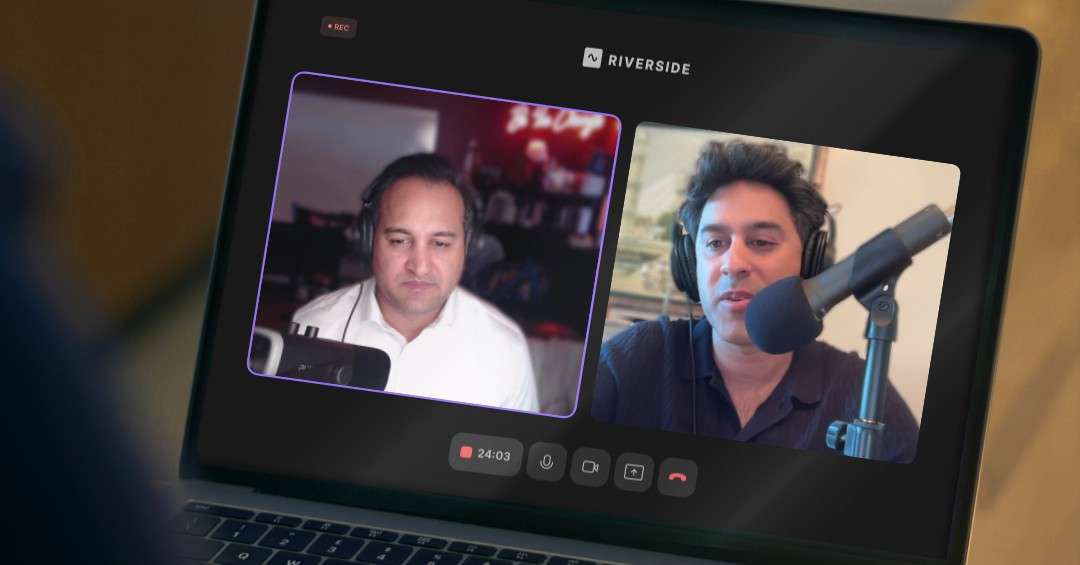
Two people wearing headphones speaking into microphones during a remote podcast recording displayed on a laptop screen
A dual screen podcast recording session shown on a laptop, capturing two hosts discussing the unfolding battle over the Warner Bros. Discovery takeover

The War for WBD: Netflix vs. Paramount Skydance

Netflix Makes the First Move

The first shock hit the entertainment world when Netflix made a strategic offer to acquire the studio and streaming assets of Warner Bros. Discovery. Their proposed deal, valued at roughly eighty-two point seven billion dollars, focused specifically on core content such as HBO, DC, and the film studio operations.

This selective acquisition allowed Netflix to avoid buying the entire portfolio. Channels like CNN, HGTV, TLC, and Discovery would have been spun off into a separate company.

Carveout structures like this are common. They help buyers avoid antitrust issues and focus on assets that match long-term strategy. Netflix has tried to build global franchises for years. Some attempts have succeeded while others have not. Buying the Warner Bros. Discovery library would give them decades of instant IP and the ability to reboot, relaunch, or license franchises worldwide.

That story dominated headlines until everything changed.

Paramount Skydance Escalates With a Hostile Bid

On a Sunday morning, Paramount Skydance shocked the industry by issuing an all-cash, fully hostile offer for the entire Warner Bros. Discovery company. Their bid, valued at one hundred eight point four billion dollars, was not only larger. It was complete. They wanted full control.

Hostile takeovers are rare in media because they are expensive, confrontational, and massively disruptive. The board had already approved Netflix’s deal, but since shareholders had not yet voted, they were obligated to consider any superior offer.

Paramount’s plan was clear. They offered a higher price, offered all cash, and ensured shareholders knew they could bypass the board and launch a tender offer if necessary.

The message became unmistakable: take the money now or risk being replaced later.

The Small-Business Lesson

Even if you run a small company, the lesson is the same. Unexpected offers, new players, and fast-moving negotiations require clean structures, strong ownership, and solid contracts. Businesses with clear governance survive sudden shifts. Those without it get swept away.

Hostile Takeovers 101: The “Silver or Lead” Strategy

Hostile takeovers may sound like TV drama, but the mechanics are simple.

A hostile takeover occurs when a buyer attempts to acquire a company without the approval of its board. The process involves direct pressure, shareholder persuasion, and strategic timing.

In the Paramount Skydance bid, the first step was notifying the Warner Bros. Discovery board about the higher offer. At this stage, the takeover is not hostile. The board has a fiduciary duty to evaluate it.

It becomes hostile when the buyer bypasses the board and makes a public tender offer directly to shareholders. A tender offer sets a fixed premium price for shares. If shareholders accept in large numbers, the buyer gains majority control and can replace the board.

Paramount has not launched a tender offer yet, but their messaging shows they are ready.

This tactic, often described as the “silver or lead” strategy, gives the board two choices:

Silver: accept the higher, clean offer.
Lead: reject it and risk being replaced through a tender takeover.

The strategy forces urgency and reshapes negotiations instantly.

Small-Business Parallel

You may never face a tender offer, but you may experience:

Aggressive investor demands
Pressure from competitors
Partners pushing for renegotiation
Sudden shifts in leverage

Understanding how pressure works at the corporate level helps you stay calm, strategic, and protected in your own business negotiations.

The Political Advantage: How the Ellisons Shift the Landscape

Why Politics Matters in Big Deals

Corporate deals of this size do not exist in isolation. Political climate, regulatory risk, and personal relationships influence whether a merger is approved.

The Paramount Skydance bid is led by David Ellison. He is backed by his father, Larry Ellison, who holds deep political connections. Many analysts believe this gives Paramount an edge during regulatory review.

In recent years, regulators have intensified antitrust enforcement. Some deals were blocked entirely. Others were delayed for years. When a buyer has political support or regulatory confidence, they can bid more aggressively.

Why This Matters to Small Businesses

Politics affects smaller companies too. You may face:

Zoning rules
Licensing issues
Compliance requirements
Privacy regulations
Permitting delays

Buyers and investors evaluate these risks. Mishandling them devalues your business. Managing them increases your leverage.

Why Intellectual Property Is the Real Prize

WBD’s IP Is Worth More Than the Company

The fiercest part of this takeover is not about controlling Warner Bros. Discovery. It is about controlling its intellectual property.

The company owns:

Harry Potter
DC Comics
Game of Thrones
The Lord of the Rings
Looney Tunes
The Conjuring Universe
The entire HBO catalog

These are multibillion-dollar ecosystems. They generate revenue through streaming, theatrical releases, licensing, merchandise, gaming, publishing, theme parks, and more, often for several decades.

This is evergreen IP. You cannot recreate it easily.

Small Businesses Overlook IP Value

Yet small businesses often ignore their own intellectual property, such as:

Trademarks
Copyrighted content
Patents
Proprietary systems
Digital assets

These assets generate recurring revenue, improve valuations, and increase negotiating power.

If billion-dollar companies are fighting over IP, small businesses should treat IP as a priority instead of an afterthought.

Market Uncertainty: How Mergers Impact Everyone

Large mergers and acquisitions freeze the market. When billion-dollar companies prepare for mergers, the ripple effects hit everyone.

Here is how uncertainty impacts small businesses:

Licensing deals stall
Budgets tighten
Contract terms shift
Key decision makers change
Competitors react aggressively

You may feel the impact even if you do not work directly with the studios. Consolidation affects suppliers, agencies, contractors, distributors, and digital ecosystems across multiple industries.

Build vs. Buy: Lessons for Small Businesses

Netflix has tried to build its own franchises for years. Some succeeded. Others struggled. Buying evergreen IP allows them to skip years of uncertainty.

Paramount Skydance sees the same opportunity.

Small Businesses Face the Same Decision

Should you:

Build an internal marketing team or hire an agency?
Build software or buy it?
Grow organically or acquire a competitor?
Expand a product line or buy an existing brand?

Acquisitions are not only for large corporations. Many small businesses grow faster by acquiring:

Competitor client lists
Smaller brands
Suppliers
Digital assets

The key is clean structure, including:

Clean books
Protected IP
Strong contracts
Clear ownership

A company with messy governance struggles to grow. A company with clean structure negotiates from strength.

Actionable Advice for Founders and Small Businesses

1. Audit your contracts

Look for clauses related to:

Change of control
Assignment
Licensing
Termination
Approval requirements

These determine what happens if a partner is acquired.

2. Review licensing and distribution agreements

Make sure your rights are clear and enforceable.

3. Protect your intellectual property

If you have delayed filing a trademark or copyright, now is the time.

4. Strengthen your negotiation position

Secure agreements before pricing or market conditions shift.

5. Keep cash flow flexible

Cash reserves help you adapt, pivot, and seize new opportunities.

6. Work with legal counsel experienced in IP and mergers

Strong legal support leads to stronger deals.

If you need help reviewing contracts, preparing for negotiations, or building a stronger IP strategy, our team is here to help.

🔗 Learn More
Website: carbonlg.com

Succession IRL: Takeaways From This Hostile Takeover of Hollywood

Pankaj Raval (00:03)
All right, and welcome back to Letters of Intent. I’m your host, Pankaj Raval, founder of Carbon Law Group.

Sahil (00:08)
And I’m your co-host Sahil Chaudry, corporate attorney here at Carbon Law Group. Today we’re unpacking the biggest media M&A story in years, a bidding war that feels more like Succession than reality. It’s the clash between Netflix, Paramount Skydance, and Warner Brothers Discovery. Pankaj, we’ve been talking about this all week. What a crazy story.

Pankaj Raval (00:27)
It is, and it sounds like fiction, Sahil, but really it is fact and it is happening. It is being covered in real time. As we speak, things are being done. People are meeting in rooms, in boardrooms. I’m sure tensions are high as these Goliaths of companies, these multi-billion dollar companies are battling for this intellectual property that is known to captivate audiences all over the world.

massive implications for the structure and the future of Hollywood and technology in the years to come.

Sahil (00:59)
That’s right. There are a ton of implications here. M&A, IP, antitrust. So let’s first catch everyone up. First move came December 5th when Netflix struck a deal to acquire Warner Brothers Discovery’s streaming and studio assets. That’s HBO, DC, Warner Brothers Pictures, the whole powerhouse library in a deal valued at roughly $82.7 billion. It’s huge and strategically focused, but I do want to…

asterisk this here because this comes into play. The deal has been signed by the board of directors, but it still has to be voted on by the shareholders.

Pankaj Raval (01:34)
Absolutely. That’s an important caveat, Sahil, based on kind of recent developments as of, think, what is it, yesterday. ⁓ But it also sounds like this deal with Netflix, what we understand is that Netflix was agreeing to buy certain parts of Warner Brothers, not the entire portfolio, meaning that CNN, Discovery Channel, HGTV, TLC, are going to be spun off into separate companies, not under Netflix.

Sahil (01:41)
Yeah, that’s exactly right.

Pankaj Raval (02:00)
and their own separate entities and themselves. So that’s important consider here as we get into what’s happened as of recently.

Sahil (02:08)
That’s right, so let’s set the stage. Warner Brothers Discovery gets an offer from Netflix, but Netflix is saying, we’re not gonna buy the whole thing, and that’s probably also because of some antitrust considerations. We’re gonna buy pieces of this company. now, Warner Brothers Discovery says, that sounds good to us, except on Sunday.

Paramount Skydance drops a hostile all cash bid for the entire Warner Brothers Discovery Company, valued at around $108.4 billion or about $30 a share.

So this is, if you’ve ever watched Succession and you see the stress and anxiety and gamesmanship that happens in a boardroom, that’s what we’re witnessing here. And hostile bids like this are rare in media. This is the first truly all aggressive, truly aggressive, all cash hostile takeover attempt we’ve seen in Hollywood in a generation.

Pankaj Raval (02:59)
You’re right, and it’s not subtle. They’re basically telling Warner Brothers, Discovery shareholders that, Netflix wants to carve this up, but we’re offering you more money right now. What do you want? More money or for Netflix to break up this studio, this entity, and take less money? Right.

Sahil (03:16)
And right now

what’s happened is actually when Paramount will make the offer, it’s called the tender offer, when they directly make the appeal and the offer to the shareholders, they’ll fix a premium price. They’ll say, we’re to pay you X number of dollars, approximately thirty dollars a share in this case which is higher than the offer price from Netflix.

But we’re not at that stage yet. Right now what they’re doing is they’re forcing the board of directors’ hand because the board of directors have a fiduciary duty any superior offers at this point because the deal hasn’t gone through. It hasn’t been passed by the shareholders. So now all of a sudden Paramount pops up and says, hey, wait, you have a duty. You have to consider this.

Legally as a fiduciary you have to consider our offer because our offer is better. We’re taking the whole thing and we’re offering a better price That’s going to be very appetizing to the shareholders

Pankaj Raval (04:08)
Absolutely. Absolutely. It’ll be interesting to see how it all plays out. And Sahil, I don’t think we can deny the political angle here that we have to consider in 2025 as the Trump administration seems to like, Trump likes his hands in everything and likes a piece of everything. I’m sure he’s going to be probably selling water bottles or gold watches on one these channels soon. So I think he probably already does HDTV. So So what does this all mean in terms of the context

of the political world?

Sahil (04:33)
So this is very interesting. Paramount Skydance’s bid is backed by David Ellison, whose father Larry Ellison is a high profile Trump supporter. So there are many media reports that flag this as a factor as to why the Ellisons believe they might win regulatory approval or political favor for this deal because

there are usually concerns when it comes to a deal like this, when it comes to IP regulatory issues, FTC concerns, but primarily the issue is antitrust. Now, if you have the government’s backing for a deal like this, you all of a sudden have an advantage over any other bidder. And so I think it’s very difficult to deny the political connection here and why Paramount has the confidence

to make a bid like this without fearing any trust denial.

Pankaj Raval (05:18)
So, Sahil it’s gonna be interesting to see if we’re gonna see another ballroom come out of this whole deal based on what we’re seeing today and the numbers involved. But, politics aside, and you know, the antitrust issues, you know this reeks of antitrust, when you have two major players consolidating.

Sahil (05:24)
That’s right.

Ballroom at the White House.

Yeah.

Pankaj Raval (05:36)
Is it going to be good for consumers? Probably not. But we’ll see what happens with this deal and how long it takes to actually go through and if it goes through or not. That said, Sahil, moving on to kind of understanding some of the nuances here of what this means also to small, medium-sized business owners, a lot of people who listen to this podcast. What does this mean to smaller businesses?

The economy as a whole, give us a little more context into what this all means.

Sahil (06:00)
Yeah, absolutely. think there are some implications here. For example, with licensing deals, if Netflix consolidates Warner Brothers Discoveries catalog, they may stop licensing out content externally. If Paramount wins, they may use Warner Brothers Discovery content to strengthen Paramount Plus. Either way, licensing prices or access could change. Number two, content creators need backup strategies. If your business relies on Warner Brothers Discovery characters, archival footage, music, clips,

⁓ You may face new hurdles, new rates, new gatekeepers. dealing with a new entity altogether. If you own IP, this is a very good example of why that’s so valuable. Big studios may want to license more in the IP, acquire smaller IP portfolios, diversify their risk, fill content gaps during restructuring. So think of this as a period of time where you can play business as IP arbitrage.

⁓ This is a chance for you to leverage your IP and get it in the door of players that are looking to build their libraries. And if you’re raising money or selling your company, timing matters. So markets really hate uncertainty. And right now there’s a lot of uncertainty being created by this M&A deal because people will look to see is this deal actually going to go through?

Are there any antitrust considerations here? So you may see some slowed down licensing negotiations, some pause partnership deals, some price volatility for media dependent businesses. mean, right now, you know, it’s often the case that larger deals price anchor or set industry norms for the smaller and midsize players. So we’re going to see a lot of precedence, especially for people like us who are deal makers in the middle market. We’re to see a lot of precedence get set.

as far as IP is concerned.

Pankaj Raval (07:43)
Absolutely, absolutely. And something people want to think about practically when they’re doing deals, right? helped negotiate deals with Warner Discovery in the past for clients. And you want to look at assignment provisions in your contracts. There’s certain elements of your contract you want to be really paying attention to and really thinking about in the context deals, because if now there’s a sale, is the new parent company going to be obligated to honor that contract?

or what’s going to happen if there’s an assignment, there’s an assumption, how do these contracts, how does this play together if there’s an assumption your contract and are there going to be obligations there? So you want to really be airtight with the obligation for this new parent company to assume your contract and to pay it out and to make sure that they honor those terms that you’ve negotiated. So these are things that you can really, you need to really be thinking about in the context of these deals. And this is why it’s so important to…

kind of pay attention to what’s happening in the market pay attention to these kinds of deals because affect smaller players considerably, especially small production studios producing all the content these channels.

Sahil (08:40)
And I think it’s particularly important for all of our clients to pay attention to your IP ownership. Has the IP been sufficiently assigned to you? Because that is something we’re seeing here. mean, the value of these libraries are in the billions of dollars.

Pankaj Raval (08:50)
Yes.

Sahil (08:57)
And so if you have properly locked down your IP, you’ve got an asset that you can sell. it’s a very valuable asset. I mean, just to go back to this deal for a moment, we’re talking about the real crown jewels here. It’s intellectual property. Warner Brothers Discovery owns some of those valuable IP on earth. We’re talking about the DC universe, Harry Potter, Lord of the Rings, HBO’s entire catalog, the Warner Brothers classic film vault. This is generational IP you cannot recreate.

And Netflix has been trying, unsuccessfully sometimes, to develop top tier franchises internally. But when you are looking to recreate some of the magic that is inexplicable in a business like entertainment, you have the benefit of lot of trial and error. And you also have the benefit of cult classics. You have the benefit of time and volume. Sometimes just the sheer volume of media will generate winners.

And so that’s something that’s extremely valuable. And you’re talking about franchises. When you have franchises, you’re talking about licensing rights that expand into streaming, theatrical, gaming, merchandise, consumer licensing, theme parks. Whoever wins this war is getting evergreen IP. And you’re talking about the exponential opportunity to grow your revenue.

Pankaj Raval (10:06)
Absolutely.

Yeah. And I think this is a big, this is a quintessential question about building versus buying, you know, at any size of business with, with any size of business, when is it better to build or versus buy? And here, they’ve gotten financing and now large players are starting talking about buying. And I think, you know, this is a lesson for smaller players as well that they can, take to heart when they’re thinking about growing their business. Is it better to build organically, try to

build and build and build, or is it better to maybe get financing look at these target acquisitions and potentially This is how these bigger players are doing it. And I think there’s a lot of benefit, a lot of potential here, obviously also a lot of risk. They’re not risking their money, right? They’re risking this shareholder money and other people’s money, which is also something to consider as well when you’re a public company. But there’s a lot more obviously complexity there, a lot more regulation.

it’s, interesting to know that, you know, there’s financing here that’ll support this deal. so the believe in it as well. it’s interesting to say that like, Netflix gonna be acquiring these franchises potentially, you know, that will be able to be produced and reproduced for years to come. So, I mean, this is a massive investment for Netflix, but also shows that how serious they are about being a major player

in production of IP and content.

Sahil (11:21)
That’s absolutely right. And it shows how valuable it is. It shows the value of ideas. And I also want to get into a little bit what exactly is going to happen next, because we still don’t have the tender offering. And I’ll get into these terms briefly. So.

Right now, Paramount has still not directly solicited the shareholders. They’ve basically sent notice to the directors, to the board of directors at Warner Brothers Discovery about their offer. And now, Warner Brothers Discovery has to consider that offer, but…

This is where we get into the territory of what’s called a hostile takeover. So for everyone who’s watched Succession, what happens next is a hostile takeover is a takeover where an entity, a corporate entity wants to purchase the majority shares and replace the management or the board of directors of that company.

And the way they do that is by buying the shares from the pre-existing shareholders. And that gives that company majority control to overthrow the board essentially. So the board will be fighting for its life if this hostile takeover goes through. So there’s a, I remember,

There’s a quote from Pablo Escobar, which was, can take the silver or you can take the lead. And that’s kind of what’s happening here. ⁓ know, Paramount is basically saying, Hey, we’ve got, we’re offering you more money. It’s pluma or plata. So it’s.

Pankaj Raval (12:34)
Yeah, yes.

Yes,

yes, yes.

Sahil (12:42)
It’s

either you’re taking the silver, you’re taking more money than the Netflix is offering you, or you’re taking the lead, which is we’re just going to buy up all the shares. We’re going to take over this company and we’re going to replace you.

Pankaj Raval (12:55)
right, exactly. an proposition. It’s going to be interesting to see what happens. You know Sahil, what does this mean startups, brands, new brands, businesses that are still kind of early stages building? Why is this relevant for them?

Sahil (13:08)
Well, it’s relevant because even the middle market, you have M&A I think this is a very good case study. If you are a company that’s a small to mid-sized business, it’s very important to understand how corporate governance works. It’s very important to understand what the difference is when it’s time for you to sell. What exactly are you selling? And like we’ve discussed,

In a deal like this, you’re selling your contracts and you’re selling your IP. Those are the primary assets we’re talking about here. So as you’re building, you might feel like those corporate governance documents are not that important or who’s a member and who’s not and how you’re providing equity incentives to your employees. might think initially all that stuff is not important or you know what? We’re doing this deal with this third party contractor, but

The contract’s not important. It’s okay. We have it over email. You might think that, but a few years later when you’re ready to sell and someone wants to buy shares of your company, if you don’t have that locked in, you don’t have the property rights necessary to cash in on that value and all the hard work and brand equity you’ve built up and the relationships. And that’s something that we want our clients to pay attention to and to everyone who’s listening to pay attention to.

Corporate governance and your contracts, they matter a lot. And you need to focus on your IP and your contracts. Those need to be locked in. Those are gonna be what creates the most value for you. That’s gonna be your negotiating leverage when it comes time to sell your shares.

Pankaj Raval (14:30)
And also people have to think about timing too, right? I mean, with these M M&A deals, timing makes a big difference when it’s happening, how it’s timing of your contracts, right? Like this is gonna affect a lot of things, a lot of negotiations with these companies, especially if you’re a smaller production company doing deals companies, it’s gonna affect all of that because now we don’t know what exactly is gonna happen. Yeah.

Sahil (14:50)
that’s right. mean, even on that

note, if you’re a smaller production company and you’ve had a deal with Warner Brothers Discovery, or been working with a buyer for some time, someone who’s purchasing content from you or licensing content from you, There are going to be a lot of changes. You’re probably going to see changes in staff, who has power, who doesn’t have power.

Everybody, every company kind of builds their tribe and their court in terms of the prime company that then has subcontractors and those subcontractors have subcontractors. So you’re going to find that if you are connected to any of these companies,

The terms might change of your agreements, the way the companies view IP, the business models are different, how they earn money is different. And so, you’re dealing with Paramount, Warner Brothers Discovery or Netflix, they probably view content and how they make money differently terms of their subscription services and who their most valuable clients are and what their distribution is, what their advertising models are. And so, if you’re connected in this circle of content, a lot of things are gonna change.

Pankaj Raval (15:51)
We’re going to provide a few actionable items that every listener, every business owner, every CEO should really keep in mind if you’re doing of these deals that may be related to this deal, dealing with these entities or other production companies right now. If you’re in the entertainment space or related to the entertainment space, first thing you got to do is audit your contracts for change of control clauses.

Make sure you understand what those clauses say and what happens in a change of control, meaning an acquisition, merger, review your licensing and agreements. What do those agreements say? rights should they give you? Lock in agreements now, perhaps for extended terms, because we don’t know how long this is all gonna last. We don’t know what’s gonna happen with these new companies. Are they gonna become much more difficult to deal with?

You never know, especially when you have these consolidation. There’s a lot more bureaucracy, I’ll tell you that. So we want to lock in favorable agreements now. Protect your own IP aggressively. If you ever wanted to file trademarks, register trademarks, file patents, do it now. Make sure you’re protected and you can monetize those assets in the future. And then lastly, just stay liquid and flexible. Understand that having cash on hand is important right now. Having that dry powder, you want to be able to…

to use that in the future and be nimble because in a world of uncertainty, you want to be able to do that. But also it looks like, you know, these are big players that are being aggressive. So you also want to be aggressive if you want to grow and not back down. need the right team around you to do that.

Sahil (17:11)
Absolutely. Well, Pankaj, I don’t know about you, but I’m going to be watching with a bowl of popcorn. We’ve got Netflix on one hand with a clean strategic bid, Paramount with a bold all in hostile takeover, regulators watching, shareholders waiting. I think this is going to be fun to watch and we will keep you all posted on the details.

Pankaj Raval (17:33)
Absolutely. And as for founders, brand owners, and creators, you need to understand how the ground beneath you may shift in these times. Having counsel that understands M&A and IP isn’t a luxury right now, it’s a competitive advantage, and it is a necessity.

Sahil (17:47)
And if you need help auditing your contracts, preparing for renegotiation or strengthening your IP strategy, reach out to us. We’re helping clients navigate this all the time and we are happy to be of service.

Pankaj Raval (17:58)
Absolutely.

So that is it for this week’s episode of Letters of Intent. We were talking deals, acquisitions for deal makers, risk takers. Big deals happening right now on the largest of stages. It’s gonna be interesting to watch and a lot to learn from what’s happening with these power players that definitely still has implications on Main Street. Take note.

Make sure you’re watching what’s happening and let’s see how this unfolds and if you need a legal partner to help guide you ⁓ during these times, you can always reach out to Carbon Law Group. We really appreciate you listening, asking questions. Please like, share for more. We always love to hear from our listeners. Please drop us a line, shoot us an email, and we’d love to hear from you. Until next time, I’m Pankaj Raval.

Sahil (18:41)
And I’m Sahil Chaudry.

Pankaj Raval (18:43)
This is Letters of Intent.

Get in touch with us

Lead Form Main

The main Lead Form

This field is for validation purposes and should be left unchanged.
Name(Required)