
Why Your AI Screenplay Can’t Be Copyrighted (And Is “Dirty” Data)

Home / Podcast / Why Your AI Screenplay Can’t Be Copyrighted (And Is “Dirty” Data)

Why Your AI Screenplay Can’t Be Copyrighted (And Is “Dirty” Data)

It sounds glamorous: film deals, streaming platforms, and AI writing your next screenplay while you sip coffee and wait for Hollywood to call. For many creators and founders, the promise of generative AI feels like a “cheat code” for the industry. However, there is a hard truth you need to face before you hit “generate.” Entertainment law is not for the faint of heart, and using AI carelessly in creative or business work can quietly destroy the value of everything you are building.

In a recent episode of Letters of Intent, Carbon Law Group attorneys Pankaj Raval and Sahil Chaudry sat down with Nadia Davari, a veteran entertainment attorney and film producer, to pull back the curtain on the modern entertainment business. What they revealed applies far beyond the red carpet. If you are a small business owner, a creative entrepreneur, or a founder using AI to move faster, this conversation is a warning you need to hear. Because in many cases, AI-created work is not just risky; it may be legally worthless.
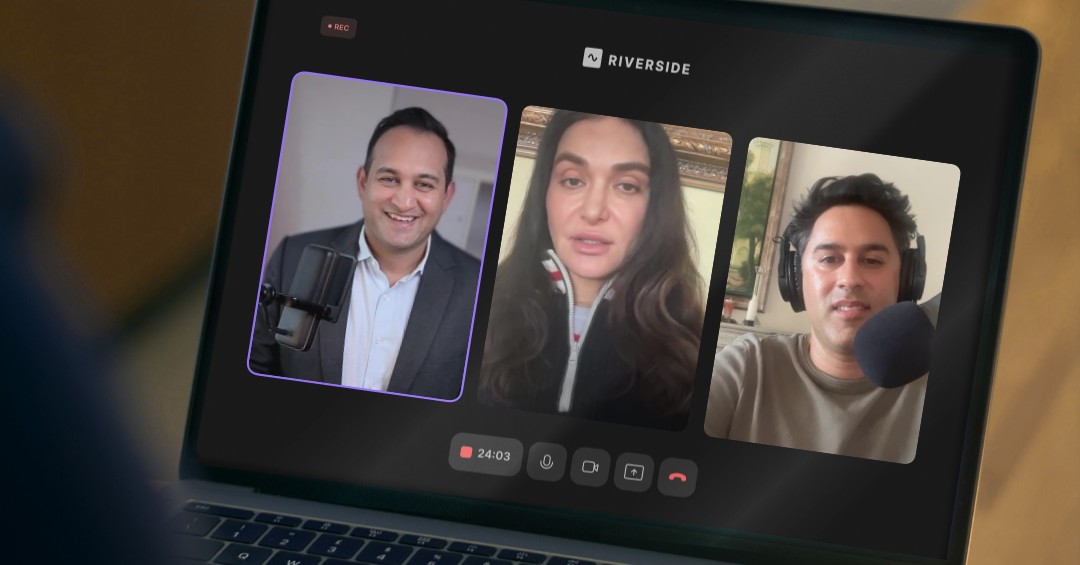
A three-way video conference on a laptop screen featuring Pankaj Raval, Nadia Davari, and Sahil Chaudry discussing AI and entertainment law.
From left to right: Pankaj Raval, Nadia Davari, and Sahil Chaudry pull back the curtain on the modern entertainment business and the legal “nightmare” of AI-generated work.

The AI Copyright Problem: Why Non-Human Work Cannot Be Owned

One of the most dangerous misconceptions about AI is the idea that if you prompted it, you own the result. Under United States copyright law, a work must be created by a human to receive copyright protection. This principle existed long before AI entered the picture, and courts have remained incredibly consistent on this point.

The Legal Precedent: Why Your Prompt Isn’t “Authorship”

To understand why this matters, we must look at how the U.S. Copyright Office views “authorship.” Historically, the office has denied protection to works allegedly created by spirits, nature, or animals (notably the “monkey selfie” case). AI falls into this same category. The law views the AI as the generator and the human prompter as someone merely providing a suggestion. Because the human does not control every “pixel” or “word” the machine spits out, the machine is considered the creator.

Consequently, if a screenplay, book, article, logo, or design is generated by a non-human system, it cannot be copyrighted. This lack of protection creates a domino effect of business failures:

  • No Exclusive Ownership: You cannot stop others from using, selling, or modifying your work.

  • No Enforceable Rights: You cannot sue for infringement, meaning your “competitors” can copy you with impunity.

  • No Meaningful Asset: Investors, venture capitalists, and studios generally avoid unprotected IP because it offers no “moat” around the business.

The Filmmaker’s Nightmare

During the podcast, Nadia shared a real example that should make every creator pause. A filmmaker was excited about a television project he had finally cracked, complete with outlines, episode arcs, and a pilot structure. There was just one catch: he used AI to generate the bulk of it.

When Nadia explained that the material was legally “public domain,” his reaction was pure shock. He had spent months “working” with the tool, assuming his guidance counted as ownership. It did not. Unfortunately, if you spend months refining a screenplay with AI and a studio later “borrows” the concept, you may have no legal claim because you never owned the foundation.

Dirty Data and the Privacy Trap

Copyright is only half the problem; the other half is privacy. When you input information into many public AI systems, you are essentially shouting your secrets into a void that remembers everything. Most free versions of AI tools use your inputs to train future iterations of the model.

The Risks to Small Business Operations

For small business owners, this raises massive confidentiality concerns. Think about the types of data routinely fed into these tools:

  1. Client Information: You may inadvertently violate Non-Disclosure Agreements (NDAs) by sharing sensitive client data with a third-party bot.

  2. Contract Terms: You might expose your specific negotiation levers or pricing tiers to a model that your competitors also use.

  3. Trade Secrets: Feeding your “secret sauce”, whether a recipe, a manufacturing process, or a unique marketing strategy, into a public algorithm removes the “secrecy” required for trade secret protection.

Nadia referred to this as “dirty data.” It feels productive and looks polished, but it is legally contaminated. Once this data is mixed into your business, perhaps appearing in your internal manuals or customer-facing apps, separating it becomes expensive and painful. Essentially, using public AI tools for sensitive work is like brainstorming your business strategy in a crowded coffee shop while speaking through a megaphone.

The ChatGPT Contract Trap: Why Cheap Drafting Becomes Expensive Cleanup

Furthermore, the allure of “free” legal drafting is leading many founders into a dangerous trap. There is a common belief that a contract is just a “form” you fill out. Nadia shared a story where a client asked for an operating agreement template. Instead of engaging counsel, the client used ChatGPT to answer complex governance questions and draft the clauses.

While the result looked professional with bullet points, numbered sections, and confident language, it was actually legal gibberish. * Missing Provisions: It failed to address what happens if a partner dies or wants to leave the company.

  • Jurisdictional Errors: It cited laws that didn’t apply to the state where the business was incorporated.

  • Conflicting Terms: The “Ownership” section contradicted the “Voting Rights” section, creating a document that was impossible to enforce.

As Sahil put it during the episode, “Please don’t give us the nightmare of your ChatGPT work.” A contract is not just a collection of words; it is a legal system designed to function under stress. AI lacks “judgment”, the ability to know why a certain clause is there and how it interacts with the specific goals of the founders.

Entertainment Law Reality Check: Glamour Versus Volatility

Entertainment law is often romanticized through the lens of red carpets and multimillion-dollar deals. However, the reality Nadia described is far more volatile. In Hollywood, projects fall apart daily. Financing collapses at the eleventh hour, distribution deals are retracted, and payments are frequently delayed or disputed.

Risk Management for Every Industry

This volatility is not unique to entertainment. Small business owners face similar uncertainty every day. Partners disappoint you, markets shift, and global events disrupt supply chains. The lesson from entertainment law is not about Hollywood glitz; it is about risk management. Every business operates on assumptions. When those assumptions fail, the legal structure you built at the beginning determines whether you survive or fold. In entertainment, that means knowing exactly where revenue will come from before a single frame is shot. In business, it means ensuring your IP is ironclad before you spend a dollar on marketing.

Negotiation Strategy: The Art of Reading the Room

Beyond the technicalities of IP, the podcast delved into the art of the deal. Nadia made a critical distinction between negotiating with a major studio versus an independent producer.

  • Studios: These are massive bureaucracies with deep pockets. They have accounting systems designed to protect their margins. Here, aggressive negotiation and holding out for specific points often make sense.

  • Independent Producers: These entities often operate with “hard caps.” If they only have $1 million to make a movie, you cannot negotiate for $1.2 million. They simply do not have the flexibility.

Similarly, in the business world, negotiating with a Fortune 500 company is fundamentally different from negotiating with a local partner. Misreading this dynamic, or asking for the impossible, can kill a deal before it starts. This is where experienced counsel provides the most value. Lawyers do not just draft documents; they read deal dynamics and identify pressure points to ensure you actually close the deal without leaving money on the table.

The Death of Pre-Sales and the New Revenue Reality

Another major shift discussed by the panel is the decline of traditional film financing models. Historically, filmmakers could use “pre-sales”, selling the rights to different countries before the movie was even made, to guarantee a certain level of revenue.

Today, that model is crumbling. Streaming platforms have collapsed the traditional “release windows” (the time between a movie being in theaters and being available at home). Digital piracy and changing audience behaviors have made predicting revenue harder than ever.

The Parallel for Modern Business

This uncertainty mirrors what many businesses experience in the digital economy. Revenue models shift overnight. One day, you are profitable on social media ads; the next day, an algorithm change triples your customer acquisition cost.

In this environment, ownership clarity becomes your survival tool. If your revenue is unpredictable, the one thing you must control is your assets. Businesses that rely on vague “handshake” agreements or AI-generated, unprotected IP are the first to collapse when the market tightens.

AI in Law: A Tool for Efficiency, Not a Replacement for Judgment

Finally, the conversation addressed how lawyers themselves use AI. Professional tools like Lexis+ AI or Westlaw are transforming the industry by allowing attorneys to find precedents in seconds rather than hours. These tools increase efficiency and help streamline the “grunt work” of research.

However, these professional tools are distinct from public bots. They are closed systems that protect client data. More importantly, they do not replace human judgment. A tool can find a case, but it cannot tell you if a specific judge is likely to be sympathetic to your client’s unique story. The “cowboy” approach, where a non-professional uses AI as a substitute for a lawyer, creates messes that cost ten times more to clean up than they would have cost to prevent.

Practical Takeaways: How to Use AI Safely

If there is one takeaway from this conversation, it is this: Speed without protection is a liability. AI can be a powerful partner if used correctly. To protect your creative and business future, follow these “Rules of the Road”:

  1. The Human-Plus Rule: Use AI for brainstorming, outlining, or generating rough ideas. However, ensure that the final product (the script, the code, the logo) is substantially refined or recreated by a human. This creates the “originality” needed for copyright.

  2. Audit Your Inputs: Never put confidential business plans, trade secrets, or client data into a public AI tool. If you wouldn’t post it on a public forum, don’t put it in the prompt box.

  3. Verify, Don’t Just Trust: If AI generates a “contract” or a “legal strategy,” treat it as a suggestion, not a fact. Always have a qualified attorney review any document that governs your money or your rights.

  4. Know Your Ownership: Before you build a business around an AI-generated asset, ask: “If a competitor stole this tomorrow, could I actually stop them?” If the answer is no, you haven’t built an asset; you’ve built a liability.

Guest: Nadia Davari (Law Offices of Nadia Davari)
🔗 Learn More
Website: carbonlg.com

Why Your AI Screenplay Can’t Be Copyrighted (And Is “Dirty” Data)

Pankaj Raval (00:03)
Welcome back to Letters of Intent. My name is Pankaj Rawal. I’m the founder of Carbon Law Group and I’m joined today by my co-host, Sahil Chaudhary. how are you today?

Sahil Chaudry (00:10)
I’m doing great. And today we’ve got a Lights, Camera, Action episode. We’ve got Nadia Davari, who’s going to be joining us today. I know, Pankaj, she’s been a friend of yours, but I’m going to get the chance to get to know her today. She’s an extremely accomplished attorney, entertainment attorney, film producer. She’s very well recognized in the entertainment space. And we’re going to learn a lot about what has changed in the entertainment business, what has not changed, how to think about deals and how to think about risk.

Pankaj Raval (00:36)
Absolutely. Yeah, so very exciting episode. Nadia and I are in the same professional networking group, Provisors, and we’ve seen each other over the years. And always been intrigued what she does and how she helps her clients in the entertainment space. So this is going be a great opportunity for listeners to learn really the intricacies of what it means to deal with entertainment law, entertainment legal issues can arise, and how to hopefully avoid any mistakes may come up.

⁓ as you try to put together a project or understand what even deal making is in the world of entertainment today.

Sahil Chaudry (01:06)
So we would love to hear from you on what were your early influences? Where did you grow up? Why law? What drew you to the profession?

Nadia Davari (01:15)
So hello, I’m Nadia Devari. Thank you for having for the invitation to join you today. I am a native of Southern California. So I UCLA USC, go Bruins, go Trojans.

Pankaj Raval (01:28)
Hey, someone

else I know is that.

Sahil Chaudry (01:30)
Yeah, I’ve got the same combo, Nadia. But I’m the opposite. Flipped.

Nadia Davari (01:34)
code.

You’re flipped. Yeah. We call,

Sahil Chaudry (01:37)
I’m your counterpart.

Pankaj Raval (01:38)
Yeah.

Nadia Davari (01:38)
We’re called Brujans. So, yeah, you couldn’t get any more LA than that. And, you know, I grew up where people I know, and I went to school with are in the business, neighbors and friends everybody’s kind of this, if you’re in LA, it’s all around you. It’s an industry town. So it’s a major part of our.

Pankaj Raval (01:59)
Yeah.

Nadia Davari (02:01)
economy. So I was always around it and USC is very big on film and entertainment. And UCLA has the number one film school arguably, you know, between USC and UCLA and NYU, and then USC as well. So was all around us. And at USC, in law school in your third year, you can take

certain number of units in any of the schools in the area that you’re interested in practicing law and other schools on campus. And I did a couple classes on entertainment law in the Marshall School of Business. They have a concentration on, the entertainment business. So I took some of their classes, which qualified for upper division classes for at the law school. And

It was, that’s where it kind of started. And my family members are in the arts and the creative world. So the combination of all of the above kind of brought me to

Sahil Chaudry (02:56)
But we did

notice you studied molecular biology and I for one went into law because I’m not very good at math and science. You did the opposite. You’ve accomplished both. So what drew you to molecular biology and how did you translate that into the legal profession?

Nadia Davari (03:12)
So I actually ⁓ loved science and math. Math was my best in school, especially molecular biology because a lot of the advances in medicine now are on the molecular level. And for example, the vaccines, mRNA vaccines, those were things that I was studying when I was an undergrad at UCLA. So the analytical skills are the same.

those are transferable skills. And if anything, the scientific background, I think allows me to think in a more concise way and issue spot and rather take a broader look at the issues and not get lost in the weeds, kind of take a step back. but it’s interesting you bring this up because

For the first year, was a shift in the way of thinking, especially the way we take school exams, as you all know, issue spot as much as you can and throw in everything just to showcase how much you know. And that’s not how you take an in science or math, in undergrad. So.

Pankaj Raval (04:09)
Right. You have

to get to an answer and show your work, right? Yeah. Versus law. I learned the hard way to that you got to just say as much as you can. know, don’t hold back.

Sahil Chaudry (04:18)
Right.

Nadia Davari (04:19)
The goal is to say as much as you can

invent ways why it might be relevant. So that was a concept. took a while to get used to that.

Pankaj Raval (04:24)
Right.

Right, Absolutely. That’s fascinating. So, taking us to entertainment now, went to law school, USC obviously is a great law school for entertainment law. said you grew up kind of around it being in LA. How did you kind of cut your teeth on entertainment law? What was your kind of first experience like and how has the industry changed the years?

Nadia Davari (04:45)
So I got my first job because I saw a posting in the student career center at USC. It was a law firm in Venice Beach on the boardwalk. Yeah, yeah, in one of those Frank Gehry lofts. And yeah, and one of the major clients of that firm was right next door.

Pankaj Raval (04:58)
cool. That’s fun.

nice, okay.

Nadia Davari (05:10)
And it was a studio that has made a lot of independent, know, a lot of very famous independent directors and artists got their start with them. Some very famous names. And they were our neighbor. They were right next door. And they would pop in and that’s where I learned.

Entertainment law is definitely not for the weak of heart. It’s really a whole other business. some of the things you hear about the business is, there’s some truth to it, and I continued after I graduated, I had friends who were at the big firms making 200 plus a year. And, that was not the salary there. It was a fraction.

Pankaj Raval (05:50)
Yeah, yeah, that’s the thing about entertainment, right? That’s what I found. When I moved out to LA, I did some entertainment law and I find that there’s an understanding that you’re going to be just making less, paid less, starting at the bottom. got you know, yeah, yeah, you’re to be poor for a long time, right? I mean, I feel like.

Nadia Davari (06:02)
It be poor.

going to be poor for a very long time.

And finding mentors is not always easy. I mean, I hear mixed things from my friends who are areas of law, but the mentorship is hard to find. Sometimes you do, but there’s a lot of it that you have to learn on your own and it’s something that you have to really want to do. I have had

several prospective students asking me about this area and after discussing it with them, they’ve changed their mind. They’ve decided to do other kinds of law. Yeah.

Pankaj Raval (06:39)
Yeah, interesting.

you’ve dissuaded people from pursuing this. Is it you know, interesting, interesting. Tell us a little bit more about that. Why do you feel like it’s not for the faint of heart or what’s so challenging about entertainment?

Nadia Davari (06:43)
On a regular basis, yes.

So it sounds really glamorous and sexy, but on a day-to-day basis, it’s work, as you know. And for us, we’re trying to make a living at it, is about making a living at it. And a lot of times your clients project doesn’t go, or the financing falls through, or something happens, and people…

Pankaj Raval (06:57)
Yeah. Yeah. Yeah. ⁓

Nadia Davari (07:17)
you know, just are not very happy with the outcome. the money is tight, they don’t want to pay. So a lot of that stuff comes into play or, they need a lawyer before the financing is put together. So yeah, a lot of that goes on. But I’m speaking about from the perspective of a lawyer representing the independence. So you have the studio lawyers and then you have the talent lawyers to know those

While you think entertainment law, there’s so many different subspecialties and areas within entertainment law. It’s actually a very large area. It has a large scope. I’m just speaking about the specific area that I’m practicing at the moment, which well, which takes up most of my practice.

Pankaj Raval (08:00)
Can you tell us a little bit more about that? specific area are you focusing on now?

Nadia Davari (08:03)
Yeah,

I’m representing mainly independent production companies and producers and some talent as well. But even with the bigger companies, all the consolidations that are happening, you I have friends who are at the studios who so many of them have been laid off because of the consolidations and all the mergers.

Pankaj Raval (08:09)
Okay.

Yeah.

Nadia Davari (08:22)
I don’t really recommend it to friends and family.

Pankaj Raval (08:26)
Yeah, I mean, it seems like volatile time for entertainment and I don’t feel like it’s always been there. Is it because there’s a transition happening in digital media and like the media, is it that or do you have an idea of like, why is there so much volatility right now in the entertainment world?

Nadia Davari (08:39)
Well, right now is AI, it’s affecting all of us. It’s not just entertainment, it’s lawyers, it’s physicians, it’s anybody with, professional skills, people who write software computers, it’s affecting everybody across the board. But as you may recall, a few years ago, we had the strikes, and

Pankaj Raval (08:41)
yeah.

Yeah, yeah, all of us, yeah.

Yeah.

Nadia Davari (09:01)
the folks in the entertainment world are at the forefront of, I feel like, with first amendment issues and deep throat and then now, even the internet and then now with AI, affecting the laws in Ninth Circuit and in California. So, but now it’s kind of widespread, it’s affecting everybody.

Sahil Chaudry (09:20)
So can you tell us a little bit more about how we were offline talking a little bit about the box office model versus now the streaming model? Did you go through that transition or in what ways has your practice changed over time?

Nadia Davari (09:34)
Well, there was a time which, were the video stores, I was still in… it was way before I became a lawyer, where we used to go, I remember I’d go with my mom and dad, or my siblings, we’d go to the video store and rent videos. And then it went to Netflix would send you those discs. So,

Pankaj Raval (09:52)
Right. Right.

Nadia Davari (09:54)
There was a time where the model was that you would make a project, it would go to a film, it would go to the theater, people would go in the theater and watch it there. There’d be a long window and people would want to have that experience. And then it would go to home video. Now those windows have sort of collapsed and, that

revenue model has kind of changed, which makes it more difficult to predict the outcome of making a movie that’s across the board studio for studios or independents all across the board. And that happened with the streamers and getting into content making and their control

on the audience and the distribution channels. Now it’s all about access to the eyeballs and finding the audience. So has that part of the business figured out. Oftentimes I have clients who are filmmakers and I speak on various panels at film festivals, film schools and

Pankaj Raval (10:41)
Hmm.

Nadia Davari (10:56)
law schools and entertainment law classes about making content and while it’s about your vision and what message you want to make and what movie you want to make and the creative process, you kind of, we’re getting into the technical side. I don’t know how far you want to go down this.

Pankaj Raval (11:12)
No, yeah,

I think this is fascinating. I think it’s interesting. mean, I’m interested in it. So please, please, yeah.

Nadia Davari (11:16)
Yeah, you have to have an eye out to the end of the process. That’s often an afterthought, but it should be your primary thought. Where are you going to go? Who’s going to watch this? Kind of like writing an essay in college, in your English class, outline it and you would think about what’s your point and then how do you prove it.

Pankaj Raval (11:26)
Mm-hmm.

Nadia Davari (11:38)
or even in law school, issues spotting, eye-wracking, So I kind of compare it to that same process, who are you trying to reach? How are you gonna reach them? And what is your message? So you kind of want to think about distribution and marketing from the onset.

Pankaj Raval (11:54)
Yeah.

Sahil Chaudry (11:55)
So on that point, I understand international distribution rights have historically played a role in financing film and TV deals. Is that still the case today? What does the financing diet look like today when it comes to a film or TV show?

Nadia Davari (12:09)
Yeah, that

model is kind of dying. It’s still there, but it’s not the way it used to be. You used to be able to finance your movie before you made it and have we call the pre-sales. And that’s what you’re talking about. So yeah, that is an issue. And that’s changed.

Those models are not structured in the same way anymore. And I think that, streaming has something to do with it, but also the cost of going to the movie theater, imagine for a family of four.

buying the tickets, paying for parking, paying for snacks, quite a financial

Pankaj Raval (12:50)
Yeah, yeah, absolutely. It’s a hundred bucks. Yeah, more than a hundred bucks. Yeah, easy. Yeah.

Sahil Chaudry (12:50)
Yeah, so

So

I bet these negotiations quite tough, especially these days you’re dealing with studios. It sounds like you were mentioning you represent independent production companies and talent. What’s your strategy or what’s your mindset when you are negotiating with a large studio today? What are some leverage points that you what are some cards you usually have in your hand or how would you advise someone who’s a producer today to go into those negotiations with a studio?

Nadia Davari (13:21)
So that is such a broad question. It really depends on the specific pattern of fact pattern of or the specific situation, specific clients trying to evade the question. It’s really specific to the situation, the project, the IP that people attached. It’s really will change depending on those factors.

Pankaj Raval (13:36)
No.

Nadia Davari (13:46)
And so I can’t really give you a question or answer. It will really depend on, who the producer is and you’re not really negotiating with the studio per se. You’re really negotiating with talent and then you’re going into distribution. So the studio doesn’t really well, unless you’re representing talent and then you’re negotiating with the studio, which

I do that too. I represent writers and directors and producers who are hired by networks and studios. that hasn’t changed much, but the things you ask for, especially because of AI and our agreements change as technology changes, we have to keep it updated. So they become longer as you can imagine. I’m sure the same thing is in your practice. They become longer and longer and longer.

You have provisions. Each time, each go around. ⁓ But, a different question would be, I don’t know if this is happening in your practice, clients coming to you and saying, ⁓ I put this into chat GPT. Yeah. I actually had this conversation with a client yesterday.

Pankaj Raval (14:37)
Yeah.

Every day, every day. I mean, they’re advising us now at this point.

Sahil Chaudry (14:48)
Of course, yeah.

Nadia Davari (14:58)
And he said, well, I put this into, the talent lawyer wanted this and I put this into ChatGPT. I am like, well, you have a real lawyer. You can ask me.

Pankaj Raval (15:07)
Yeah, exactly. I’m right here.

Nadia Davari (15:09)
And I’ve been telling you,

well, you didn’t, you know, I’m like, no, I’m actually telling you, you know, and it’s really mind boggling how wrong AI is. And I had one client who, there’s a lot of legal work that goes also along with what we do. As you can imagine, finance.

Pankaj Raval (15:19)
Yeah, exactly. Exactly.

Nadia Davari (15:29)
agreements and also setting up entities every time you make a project and ⁓ that. So he sent me an email asking for, he said something to the effect of, you send me a template for an operating agreement? And I said, you can imagine what that response was. And then what state? Let’s start with that.

Pankaj Raval (15:34)
Yes, yes, yeah.

Sahil Chaudry (15:36)
So.

Pankaj Raval (15:43)
Yeah.

Yeah.

Yeah.

Nadia Davari (15:51)
how many partners, and all the list of questions, how is it managed? And who gets how much of the company and how do you decide on additional, all the questions that you would ask. I sent him out an, very long email with all the questions that we need to answer. And then about a week later, he writes me back, Nadia, I put this into chat GPT and these are the answers.

Pankaj Raval (15:55)
Yeah.

Yeah.

This is the problem. I think that you’ve really identified the issues that people don’t want to think They’re just like, let’s just give it to AI. You have to think about these issues. Yeah, these questions.

Nadia Davari (16:22)
some of the answers from AI was such gibberish.

Pankaj Raval (16:26)
Right.

Nadia Davari (16:27)
but it became very apparent that this particular client just didn’t feel like he should pay for a legal Even though I’ve actually known him for a long time and most of my work is from other clients, I would say 90 % of it. Or other lawyers, it’s either other clients 80 % from other clients 20 % from other lawyers. It came to the point where I just sent him an email and I said, Hey, if you don’t want to work.

Pankaj Raval (16:40)
Mm-hmm.

Nadia Davari (16:50)
with us, that’s fine, but just make sure an attorney reviews this and make sure that, that is complying with applicable law because, you don’t want to use something that basically doesn’t make sense.

Pankaj Raval (17:02)
Yeah, think that’s sound advice. We would concur with that advice.

Sahil Chaudry (17:05)
Absolutely, that’s great advice. You know,

and I wonder if a lot of artists, the law is a very logical side and creativity is something more fluid typically. So being at the intersection of those worlds, how do you like to work with talent in a way that allows the law to be the architecture, but lets the creativity flow and takes into account kind of the abstract intangible?

Nadia Davari (17:30)
That’s an excellent question. I have a lot of times, especially with financiers, we have corporate lawyers from very large firms and experienced attorneys, a lot of times from the East Coast, who try and negotiate those deals.

and they come in with a certain expectations or certain issues spotting and it’s completely, the saying that says, I don’t want to use, please edit this out, a barking up the wrong tree, right? Completely the wrong issues, completely the wrong.

Pankaj Raval (17:58)
Right, right, right, right.

Nadia Davari (18:06)
things to worry about and things that they should really be asking and worrying about they’re not. And that would be only if you have experience in this area. And to answer your question more specifically, Sahil, sometimes I have referred litigation matters to very capable litigators who are not as familiar with the entertainment business. I did that once and

Pankaj Raval (18:11)
Yeah.

Right.

Nadia Davari (18:32)
It’s a very fine way of speaking to the client, you know, because they’re creatives, you have to do a certain amount of hand holding, but then be firm, but only go so far and then step back and explain in a certain tone and manner. And that’s a whole other skill. That’s a whole another set of skills.

Pankaj Raval (18:36)
Mm-hmm.

Nadia Davari (18:58)
And that’s something that comes with experience and kind of, the people who are in the entertainment business and have been doing it for a while, the creatives, they’re sharp. They wouldn’t last if they weren’t. They’re very smart. They’re very sophisticated. this is not a business for the weak especially if you’ve been in it for a while. be, as a professional on this side or

a creative in front of the camera, behind the camera in any capacity. So, very sophisticated clients, but it’s a whole different lingo and way of, communication is not, very, you can’t be very dry and one-to-one and, you have to be considerate of that creative process. So that’s an excellent question.

Pankaj Raval (19:30)
you

Yeah.

Sahil Chaudry (19:43)
Yeah.

Pankaj Raval (19:44)
Fascinating. I was going to ask, is there one piece of like deal making advice or one negotiation tactic you’ve picked up over the years that you feel like you use on a fairly regular basis when working on deals, particularly to the entertainment world?

Nadia Davari (19:56)
That’s a really good question.

So let’s put it into different contexts. Just say that, you know, as a client, you should be firm with what you know you can give, what you can give, what you can, know your limits and what you feel comfortable with in a deal and start from that position and negotiate in that way.

Pankaj Raval (20:15)
Yeah. Yeah. Because you hear like stories, about, talent asking for so much they’re valuing their services so high, but really not consistent with what the market is going to provide or even, a studio wants to pay obviously as little as possible so they can keep as much profit. So, yeah, I just feel like it’s tough, I think in those negotiations when, especially talent believes one thing.

And you perhaps don’t see it the same way, but then how do you navigate working with them? Yeah.

Nadia Davari (20:40)
Well, I would add another layer to that. Negotiating

with a studio is different than negotiating with an independent producer. So negotiating with a studio, you want to be aggressive as a talent lawyer and try and do the best you can for your client. And we all hear these stories about how there’s creative accounting and monkey points.

Pankaj Raval (20:48)
That is true. That is true. Yeah. Yeah.

Nadia Davari (21:05)
It was a big case with the monkey the back end and how it’s described and how it’s defined. So they have a point. The lawyers who are representing talent, talent, there is no project and they should be advocating to the best of their ability for their clients. So that makes total sense. However, when you veer off to the independent world,

There is no vertical integration. there are different players that will do different parts of that. Sometimes, the producer might have access to the distribution or sales agents as well, but most likely they’re done by different people. So there’s only so much control that that producer has and there’s only a limited amount of money. There’s only so much they can do. So again, considering your audience and considering

the deal structure and having a 360 view, which is why it’s so important to having to grow up in this world and kind of know the business. And this is why usually to get into entertainment in whatever aspects, music or film or TV, you start at the bottom. And that is for a reason that’s actually invaluable experience because now you know how the business works. You know, all the players.

Pankaj Raval (22:19)
Yeah.

Nadia Davari (22:23)
You make friends and associations that you all grew up with and you can pick the phone and ask questions from one of your colleagues that you knew when you were both coming up. So it’s important to keep in mind what the deal is and what the parameters are. I can’t emphasize that enough.

Pankaj Raval (22:43)
Hmm.

Nadia Davari (22:43)
That comes with experience and kind of being around it for a while. Even with some entertainment lawyers, or sometimes with the more junior attorneys, we run into those issues because they’re asking for things that are not really reasonable in the context of the project. It can’t even be done.

Pankaj Raval (22:47)
Yeah, absolutely.

Mm-hmm.

Right. Right.

Sahil Chaudry (23:03)
I do have a question on how things have changed with AI. I imagine a lot of writers are using AI ⁓ when it comes to maybe graphics and posters. And I’m just curious how that has affected your view of intellectual property, copyright, and if that touches your practice area at all.

Nadia Davari (23:20)
So I have a client, a very talented filmmaker who made a wonderful documentary and then he’s written a book and now he’s working on a TV project and he’s been working on it for a while. So he called me up a few months ago and he was so excited and he said, my God, Nadia, I finally, I’m putting it together and I’m, I have the outline and I’ve got the, I’m putting in together the

pilot and I’m figuring out what the arc is going to be and I’m going to, do the episodes and I’m like, well, how, what happened? What’s going on? Well, I’m using AI. I’m like, really? You’re using AI. yeah. AI is so helpful. It’s really helping me a lot. like, really? So are you putting it all in there? Do you realize that none of that is private information anymore? Now it’s part of the

public, training all the other language models. Do you know that you can’t copyright it? ⁓ really? Yeah, copyright has to be created by humans as you well know, you both well know. And that was a shocking new information to him.

Pankaj Raval (24:12)
Yeah.

Yeah. Yeah.

Nadia Davari (24:29)
Yes, it’s affecting it because people don’t realize the consequences that the information is, dirty, that hasn’t been licensed. It’s it could be violating somebody else’s property rights that you can’t really copyrighted if it’s not generated by a human. And then, you have issues of not anymore, being out there. So, yes.

⁓ I have to kind of remind my clients and I speak on about this on a lot of the panels I do and kind of put people on notice to be careful in the way that they use AI to generate their creative

Pankaj Raval (25:06)
Absolutely.

are your thoughts on AI in general in terms of use in law and also in the entertainment? What do you see the future of AI in kind of what we do, but the entertainment world as well?

Nadia Davari (25:19)
that’s a really good question. I’m not sure if American audiences are really comfortable with AI generated, characters. mean, we had that Tilly, actress and people were not very happy with it. So I do know that in some, other markets, there is AI generated, content creators and ⁓

Sahil Chaudry (25:29)
That’s right.

Nadia Davari (25:40)
⁓ influencers and the like, I’m not really sure if it has translated into our American appetites yet. So I’m sure eventually it’s coming for all of us and

Pankaj Raval (25:50)
Yeah.

Sahil Chaudry (25:51)
It’s come from Mickey

Mouse already with Disney and OpenAI, right? The licensing of those characters.

Pankaj Raval (25:53)
Yeah, yeah, they have some. Yeah, it’s

Nadia Davari (25:56)
Yeah. Right.

Pankaj Raval (25:58)
interesting.

Nadia Davari (25:59)
And all the lawsuits that are going on by the authors and the studios against the large language models. So and all the books that have been used without the rights being licensed. So as far as for our legal services, what do you guys think?

Pankaj Raval (26:06)
Yeah.

Sahil Chaudry (26:06)
Yeah.

Pankaj Raval (26:12)
Exactly.

I mean, you we use it like you will use it to like Lexis and things like that. We’re very careful to not put like private information on any of the public services. But, I leverage it a lot, in terms of operations and, quoting clients and in some areas has become very useful in terms of the operations of the business. But again, I do think people need to like you’re saying, need to question it. Right. You can’t just blindly believe.

what you’re getting is the right thing because oftentimes it will make errors, it will make mistakes. I found recently that it sounds good. They’ve got it to a place where it sounds very good. But if you actually look at it for like, analyze it for depth, it doesn’t really have much depth. It’s like lacks depth or soul or something there, that it’s able to kind of piece together a lot of different sources and give you an interesting answer. like, it doesn’t have the depth of insight that you would

expect, that I think we go through. So that’s my perspective.

Sahil Chaudry (27:07)
I’ve experimented with co-counsel and we AI. I think Lexis AI is great. So Lexis AI, if you’re listening, sponsor our show. You can contact us at sahil@carbonlg.com. But no, Lexis AI, think, is very powerful you’re able to pull up precedents very quickly, very

Pankaj Raval (27:15)
Yeah, exactly. ⁓

Sahil Chaudry (27:26)
It’s not a substitute for legal analysis. It’s not a substitute for your own judgment to evaluate. It takes you one step ahead of just finding a basic precedent. So like if you’re working on a deal, when you are able to plug in a fact pattern, I think it is able to generate some very useful precedents. the extent I can say I think it’s been helpful. It probably will get better over time.

I agree, you cannot, we see a lot of cowboy Chat GPT lawyering too. it’s easier for us to redraft an entire agreement than go through and redline somebody’s chat GPT ⁓ agreement, which happens all the time. And you just look at the em dashes and bullet points and you’re like, okay, I already know I have to redraft this. So counsel for everyone who’s listening. When you’re working with your attorney.

Nadia Davari (27:58)
God, yeah.

Pankaj Raval (27:59)
Yeah

Sahil Chaudry (28:10)
Please don’t give us the nightmare of your chat GPT work. There are tools for this now. There are professional encrypted tools that we use and attorneys the sensibility to know how to your fact pattern, what the context is that AI is gonna miss. Yeah.

Pankaj Raval (28:13)
Don’t just sit. Just do output.

Nadia Davari (28:26)
So what I’m hearing

from you is that it’s a good tool, it’s another tool. Kind of we were using shepherdizing when I was in law school, we were shepherdizing. Nobody was looking up anything in any law book. ⁓ So it’s just taking that a step further, has made it faster and quicker and more encompassing, right? But it has to be in the hands of a professional, a trained professional who knows how to do it. That’s what I’m hearing. Yeah.

Sahil Chaudry (28:33)
Right, right.

Pankaj Raval (28:37)
Right.

Sahil Chaudry (28:37)
Yeah.

Pankaj Raval (28:44)
Yeah exactly.

Sahil Chaudry (28:45)
Yeah.

Pankaj Raval (28:49)
Yeah. Exactly. It’s interpreted to understand. Yeah.

Sahil Chaudry (28:50)
I agree.

Yeah.

Nadia Davari (28:54)
I

even was speaking with another litigator who wasn’t even impressed with the He didn’t think it was thorough enough. So I’m hearing something different from you a better experience with it that…

Pankaj Raval (29:02)
Mm-hmm. Yeah.

Well,

no, think it’s still you need to go in and question, results. go into those cases. I go into the information they provide and do my own searches to, know, without, we learned in law school, you know, like kind of the the connectors and things like that. I’ll still go in and do my own searches because I don’t want to just rely on that. The other thing is in transactional law where, we’re also sending demand letters not having to put these in briefs that the court will look at.

So I think if that was the case and we were drafting briefs, I would be definitely taking one more step to make sure that it’s accurate and we’re not missing anything because yeah, yeah, that’s the thing. Right, exactly. You definitely have to be a little more careful. If I was in front of a judge, I would be quadruple checking all this stuff through it in fine-tooth comb. Because even then, like, it tends to simplify some of the holdings on cases too, I find, when in reality there’s actually a little bit more nuance there.

Nadia Davari (29:40)
Okay, so that’s the difference. Yeah, this was a litigator who goes to court,

you

Pankaj Raval (29:59)
in terms of what these cases found in the holdings. But yeah, I it’s it’s coming. I think you have to… My philosophy is like it’s a wave that is coming and we better kind of be ready for it rather than I’m not here to fight it. Yeah.

Nadia Davari (30:12)
Well,

I’m not really sure until we get to of what they call ⁓ super intelligent. Yeah. That it is, ⁓ and you were talking about this in the meeting we had. I don’t, because it’s limited by the information that you feed it. A lot of the information is inaccurate, biased, and racist, sexist, and also.

Pankaj Raval (30:20)
AGI, yeah, yeah.

Mm-hmm. Yeah.

Nadia Davari (30:35)
other things and it lacks critical thinking skills. So it’s only as good as what you feed it. And also because it’s been trained on what has been created before, it can’t, it’s, there is no creativity, you know, is limited by what has been created by definition is, is limited by what has come before. So I think that until the next generation comes, which I’m not sure, it’s probably coming in pretty soon.

Pankaj Raval (30:51)
Right.

Nadia Davari (31:02)
We’re just not there yet.

Pankaj Raval (31:03)
Yeah. Well, think it’s interesting because I think if you an interesting conversation, I think for maybe, part two, because like, we talk about, we just talk about creativity, right? And what is creativity in the world today, right? Philosophically, that’s a very interesting conversation. But then if you look at like fashion, Sahil comes from the world of fashion. A lot of fashion is stolen, right? So is there how much creativity is there in fashion when a lot of it is derivative? the question is, yeah, how much even of create how much of the creative works we see today are just derivative?

of what’s been done in the past versus what is truly innovative, right? I think a good example is like, would AI have ever thought of taping a banana to a wall being one of the most valuable art? Yeah, yeah, right. Would AI have thought of that? Probably not. There’s probably more, there’s a lot more to that in terms of what creating art.

Nadia Davari (31:38)
shredding a piece of art on the wall through its frame.

Or even if you say

that in fashion, it’s a regurgitation of what came before and is a recycling. But the way you juxtapose the different pieces in today’s world, because a big part of my practice is also fashion too. I represent a lot of fashion companies and designers. You know, different. Maybe the style has been there before, but not the color combination or…

Pankaj Raval (31:55)
Yeah. Yeah.

Nadia Davari (32:12)
the way you use it in juxtapose it with something else, that hasn’t been done before. It’s a fresh look on what has been done in the past. So it’s derivative work. It’s a reconstruction of, in fact, the book I was going to recommend think you’ve seen it in the document. Yeah, there you go. You’re like an artist. So it’s…

Pankaj Raval (32:17)
Right. Right.

derivative, arguably, right? Still a-

Yeah.

Yeah, yeah, Steal like an Artist, Yeah.

Nadia Davari (32:38)
taking what has been done before and maybe not even consciously, but subconsciously redoing it. But in the way you redo it, there is creativity in the way that you do redo it. And is AI capable of redoing it in that specific way, even in generating a contract, which is why I say there is no template because I have to change language.

in so many different ways to fit the situation with the different nuances within one single paragraph, right? Yeah, maybe part of it was in another contract or another one of it was in another template, but not the way I’ve strung it together for this particular situation. ⁓ So is AI, I mean, how many prompts do I have to give it to be able to come up with that? Whereas I could probably do it much faster.

Pankaj Raval (33:11)
Right.

Right. No, so true. So true.

Yeah, that’s true. That’s true. I think it’s interesting. I think it’ll be interesting to how we, I think it’s been a good second look to some of my drafting too. There’s a application I use called Spellbook, again, we have sponsors out there, Spellbook will take your money. But we use it, it’s like a word plugin. And when I’m drafting a document, I’ll actually have it go through and I was just doing this on operating agreement the other day and.

You know, I said, OK, here’s kind of what the client wants to see, what they’ve agreed to in their kind of their terms. And it actually highlighted some issues, too, that I was like, oh, yeah, actually, you know, we could we could modify this language a little bit here, too. Some of the tax language. So, you know, I feel like it’s another good way to check our work, another good colleague. You know, that’s why they call it kind of co-counsel kind of review things. But but is it perfect by by no means, you know, would I just allow it to.

to do its thing on its own, right? I definitely have to get in there.

Sahil Chaudry (34:21)

Nadia Davari (34:21)
Yeah,

or a lot of times I’m drafting cover letters or emails and, my mind is at two places. It’s time time, or I’m just really upset and I can’t really think clearly. because there’s so much I want to say and I put it into, I draft my own email and I put it into some AI model and then it gives me a different version. I’m like, yes. Okay. Now it toned it down. It made it more.

Pankaj Raval (34:32)
Right.

Right, exactly, exactly,

exactly.

Nadia Davari (34:47)
what I was saying, yes, that’s what I was trying to say. So

in that capacity, yes.

Pankaj Raval (34:53)
Yeah, absolutely. Absolutely.

Nadia Davari (34:54)
I think is very useful in that capacity. And I have to go check out Spellbook.

Pankaj Raval (34:59)
Yeah, spellbook is interesting. I recommend Worth Checking it out. It’s been pretty useful for us. ⁓ Yeah, very much. Very much. a lot of the practical law and a lot of the contracts from Westlaw and others for analyzing contracts and also language. I think it has a huge database of contract language that I found.

Nadia Davari (35:04)
Is it different than Grammarly?

Pankaj Raval (35:20)
It does. And it also helps you like put comments in. like I when I edit contracts, I always want to put an explanatory comment there and actually helps you draft that as well. So it’s been pretty it’s been really useful. mean, you know, it affects the economics of what we do a little bit. But, you know, I in providing the best work product for our client, it is it is pretty useful. So, yeah. Yeah.

Nadia Davari (35:39)
for contract analysis. So now you are

selling it to me and my

Pankaj Raval (35:43)
Yeah, exactly, exactly. They should pay me. I should get a referral. Exactly, exactly.

Sahil Chaudry (35:49)
So

Nadia Davari (35:46)
You should get a

Sahil Chaudry (35:49)
Nadia, we do what’s called our rapid fire round kind of close things out. So you already answered our first question, which was going to be, what’s a book every entrepreneur or creative should read? And I was hoping you could just expound on that a little bit of why you love this book so much.

Nadia Davari (36:07)
Yeah, Steal Like an Artist by Austin Kleon, you know, it talks about sort of the, demystifies the creative process, right? And it kind of breaks it down in steps and it’s a short little read. And, you know, I feel like anytime you’re stuck or you kind of feel maybe a little discouraged, it’s a good thing to kind of…

look over and remind yourself that, everything comes from different places and we all get inspired from people who created before us. So that’s, I find that book very encouraging, inspiring and helpful.

Sahil Chaudry (36:45)
Perfect.

Pankaj Raval (36:46)
Is there,

so the second question is like, there a daily habit that keeps you sharp?

Nadia Davari (36:50)
Yeah, shutting off the phone, computer and everything.

Pankaj Raval (36:52)
I love it, I love it, yes.

Sahil Chaudry (36:54)
What does success mean to you today?

Nadia Davari (36:56)
versus yesterday or tomorrow?

Pankaj Raval (36:58)
Yeah,

Sahil Chaudry (36:58)
versus yesterday.

Pankaj Raval (36:59)
was

yesterday versus five years ago, 10 years ago. Yeah.

Nadia Davari (37:02)
In my parents eyes or in my eyes? In our parents eyes or in our eyes? Yeah.

Pankaj Raval (37:05)
Your eyes, your eyes, your eyes.

Sahil Chaudry (37:05)
in your eyes.

Pankaj Raval (37:10)
Both I mean, yeah, I’d be interested to hear both perspectives. Yeah

Nadia Davari (37:13)
Well, ⁓

I’m a loser. didn’t become a doctor.

Pankaj Raval (37:16)
Yeah, all of us. All of us on this good call.

Sahil Chaudry (37:16)
Yeah, totally.

Nadia Davari (37:20)
Yeah, so that’s a non-starter right there.

And why couldn’t I be like my cousins who are multi-billionaires and entrepreneurs working on AI?

Pankaj Raval (37:29)
Yeah, how about you? about you? What is is what is to you?

Sahil Chaudry (37:31)
Yeah, what do you think?

Nadia Davari (37:32)
So it’s relative

and in the eye of the beholder. helping my clients, and it sounds cliche, but doing a good job and being able to communicate what they need. That’s, I think that’s a really big part of it. You know, being able to convince my client that what I’m telling them is in their best interest, you know?

and to take the advice and implement it, especially in the age of AI. I feel like we’re competing with AI now.

Pankaj Raval (38:02)
We are, yeah, you’re right. You’re right. That’s interesting. So Nadia, this has been a fantastic conversation. Usually it’s about 20 to 30 minutes. This went on longer because I think your answers are so interesting and we really appreciate you taking the time. Where can people find you in case someone wants to reach out, someone has an entertainment law question? What’s the best way to get in touch with you?

Nadia Davari (38:04)
Yeah.

I’m on LinkedIn and all social platforms. can find me by my name. You can find me on YouTube. My website is all listed at nadiadavari.com, davarilaw.net. So yeah, reach out.

Pankaj Raval (38:31)
Okay. Wonderful. Wonderful. Well, yeah,

it’s been a pleasure. It’s been a pleasure. Thank you so much for taking the time. really found this episode fascinating and insightful into the entertainment world. We’ve had producers on in the past and I think hearing it from an entertainment lawyer is a great perspective to have for a lot of our clients, especially because, you we’re in LA and there’s so much of it revolves around entertainment work. So thank you again for your insights, for your time and sharing with us. Yes. And until next time, thank you all for listening.

Nadia Davari (38:53)
Thank you for having me.

Pankaj Raval (38:58)
Please like, comment, share for more. We love to hear back from our listeners. And until next time, I’m Pankaj Rava.

Sahil Chaudry (39:03)
And I’m Sahil Chaudhary and this has been Letters of Intent.

Pankaj Raval (39:04)
And

Get in touch with us

Lead Form Main

The main Lead Form

This field is for validation purposes and should be left unchanged.
Name(Required)