
The biggest sporting event on the planet is coming to Los Angeles. The 2026 FIFA World Cup kicks off June 11 across 11 US cities, and LA is right in the middle of it. SoFi Stadium hosts the US Men’s National Team opener, bringing a wave of tourists, fans, and spending unlike anything the city has seen in years.
For local small businesses, this is a once-in-a-generation opportunity. But it comes with legal landmines that can turn a profitable summer into an expensive lawsuit.
As a Los Angeles business attorney, let me help you capture this moment safely. Here is what you can and cannot do, and how to protect your business while the world comes to town.
The Opportunity and the Legal Risk
A global event of this size pours money into the local economy. Restaurants, retailers, hotels, food trucks, and pop-up vendors all stand to benefit. Visitors need places to eat, things to buy, and experiences to enjoy. As a result, if your business is anywhere near a venue or fan zone, demand could surge.
Here is the catch. FIFA protects its brand aggressively. The organization spends enormous sums acquiring official sponsors, and it defends those sponsorships with a legal team that does not hesitate to act. Many small business owners do not realize that simply mentioning the event in their marketing can cross a legal line.
Think of it this way. The World Cup is a massive private party, and FIFA controls who gets to officially associate with it. You can absolutely benefit from the crowd outside the party. But you cannot pretend you were invited inside.
The good news is that there is plenty of room to profit legally. The businesses that understand the rules will thrive, while the ones that guess will risk cease and desist letters, fines, or worse.
FIFA Trademark Rules: What You Cannot Use
FIFA holds trademarks on a long list of terms and symbols. Using them without authorization invites legal trouble, even for a small local shop.
Protected terms generally include “World Cup,” “FIFA World Cup 2026,” “FIFA,” the official logos, the mascot, the official emblem, and related slogans. The trophy image is protected. Official event names are protected. Even certain combinations of words and years can trigger a claim.
So what does this mean in practice? You should not put “World Cup Special” on your storefront sign or design a logo that mimics the official emblem. Selling merchandise featuring FIFA marks is off-limits, too. Above all, never imply that your business is an official sponsor, partner, or host when it is not.
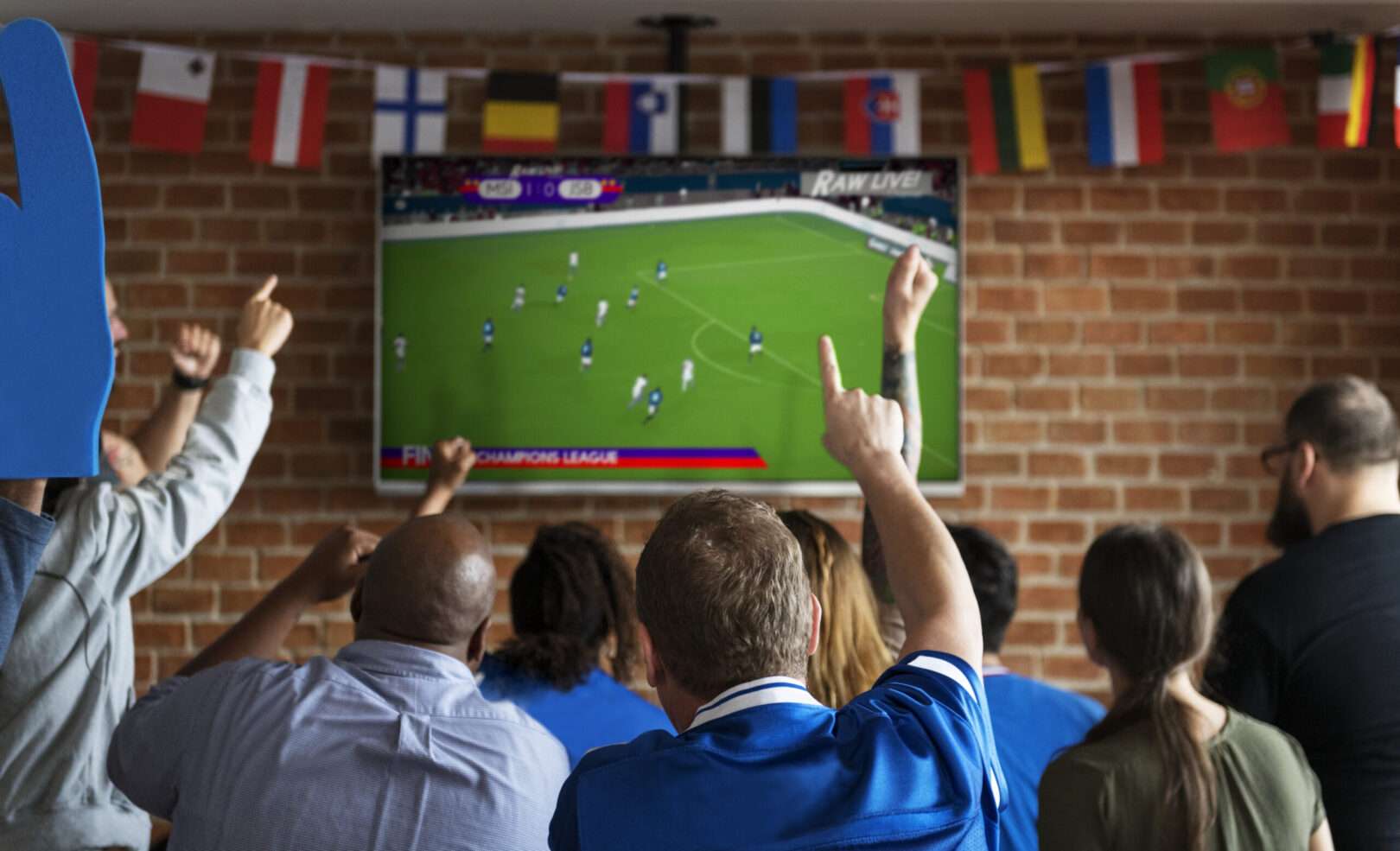
Consider a quick example. A local sports bar wants to advertise a viewing event. Printing “Official FIFA World Cup 2026 Headquarters” on a banner would be a serious violation. Instead, the bar could promote “Soccer on the Big Screen All Summer” or “Catch Every Match Here.” The second approach captures the excitement without borrowing FIFA’s protected brand.
The key principle is simple. You can reference the general excitement of soccer and summer. You cannot trade on FIFA’s specific trademarks or imply an official connection. When in doubt, describe the sport and the season rather than the branded event. A Los Angeles business attorney can review your marketing before it goes public, which is far cheaper than fixing a violation later.
Ambush Marketing Law: The Trap Most Businesses Miss
Ambush marketing is the legal concept that catches most small businesses off guard. It refers to marketing that tries to associate your business with an event without paying for official rights.
There are two kinds. Direct ambush marketing uses protected trademarks outright. Indirect ambush marketing, by contrast, is subtler. It creates an association through implication, imagery, or timing without using the actual trademarks.
Here is where it gets tricky. Even if you avoid every protected word, you can still cross the line. Using imagery of a specific stadium, referencing the exact dates and host city together, or designing campaigns that clearly imply official status can all qualify as ambush marketing. FIFA and its sponsors watch for this closely.
Let’s make it concrete. Imagine a clothing boutique near SoFi Stadium. A window display reading “Game Day Style for the Big Matches” is fine. A display using stadium imagery, official colors, and language suggesting an official tie-in could be a problem. The difference lies in implication.
The safe path is to celebrate the broader moment. You can welcome visitors to Los Angeles and lean into soccer season, summer tourism, and local pride. General soccer themes like balls, goals, and your own original designs are all fair game. What you cannot do is borrow the official event’s identity to sell your products.
This is exactly the kind of nuance where legal guidance pays off. The line between clever marketing and ambush marketing is not always obvious. Getting a quick review before you launch a campaign protects you from a costly mistake during the busiest season of the year.
Structuring Vendor and Pop-Up Agreements
Many businesses will expand during the event through pop-ups, temporary vendors, and partnerships. These arrangements create real revenue. However, they also create legal exposure if they are not documented properly.
Say you want to run a pop-up stand near a fan gathering. Or maybe you are partnering with another business to share a space and split costs. Perhaps you are hiring extra temporary staff to handle the rush. Each of these moves needs a clear written agreement.
A solid vendor or pop-up agreement should address several things. First, it should define who is responsible for what. Payment terms and revenue splits need to be spelled out clearly. Liability should be allocated in case something goes wrong. Finally, the agreement should set clear start and end dates for the temporary arrangement.
Why does this matter so much? Because temporary, fast-moving deals are where disputes happen. A handshake agreement to split a pop-up booth can fall apart when the money starts flowing and expectations differ. Without a written contract, you have little protection.
Consider a mini case study. Two business owners agree to share a vendor space near a viewing event. One handles inventory, the other handles staffing. They never put it in writing. When sales come in strong, they disagree about the split, and the partnership dissolves midway through the event. A simple one-page agreement would have prevented the entire conflict.
At Carbon Law Group, we draft these agreements quickly and affordably. For a temporary event, you do not need a hundred-page contract. You need a clear, enforceable document that protects everyone, so you can focus on serving customers instead of worrying about disputes.
Permits, Licensing, and Operating Near Venues
Operating near a major venue brings another layer of legal requirements. Permits and licensing rules in Los Angeles are strict, and enforcement increases during high-profile events.
If you plan to sell food, you need the proper health permits. If you want to set up a temporary structure or booth, you likely need a special event permit. Selling alcohol requires specific licensing. Operating on a sidewalk or public space requires city approval. Each of these has its own process and timeline.
The timing matters enormously. Permits are not instant. Some take weeks to process, and the city will be flooded with applications during the World Cup period. Consequently, the businesses that apply early will get approved, while the ones that wait until the last minute may miss the window entirely.
Here is a practical warning. Operating without the right permits during a heavily monitored event is risky. Code enforcement and inspectors will be active. A shutdown during the busiest week of the year would be devastating, both financially and for your reputation.
Zoning is another consideration. Your location may have restrictions on what you can do and when. Expanding your hours, adding outdoor seating, or hosting events may require additional approvals.
This is where planning ahead truly pays off. A Los Angeles business attorney can help you identify exactly which permits and licenses you need, then help you apply in time. We help small businesses navigate the city’s requirements so they can operate confidently while the crowds are here.
Protect Your Business and Seize the Moment
The 2026 FIFA World Cup is a tremendous opportunity for Los Angeles small businesses. With the right preparation, you can capture a meaningful share of the tourism and revenue wave heading our way.
The formula is straightforward. Market the excitement of soccer and summer without borrowing FIFA’s protected brand. Document your vendor and pop-up deals in writing. Secure your permits and licenses early. And get a quick legal review before you launch anything risky.
The businesses that prepare will look back on this summer as a turning point. The ones that wing it may look back with regret. The difference often comes down to a few smart legal decisions made before the crowds arrive.
At Carbon Law Group, we help Los Angeles small businesses prepare for moments exactly like this. We review marketing for trademark and ambush marketing risks, draft fast and affordable vendor and pop-up agreements, and guide you through the permit and licensing maze so you can operate with confidence.
Do not let a preventable legal mistake cost you the opportunity of a generation. Contact Carbon Law Group today at carbonlg.com to schedule a consultation. Let’s make sure your business is ready to win when the world comes to Los Angeles.
 Take the next step book your consultation today, and safeguard your brand’s future.
Connect with us: Carbon Law Group
Visit our Website: carbonlg.com
 [Pankaj on LinkedIn]
[Sahil on LinkedIn]