
Three huge deals dropped this week, and they all ask the same question. When the music stops, who actually owns the thing that matters? And did they get it in writing?
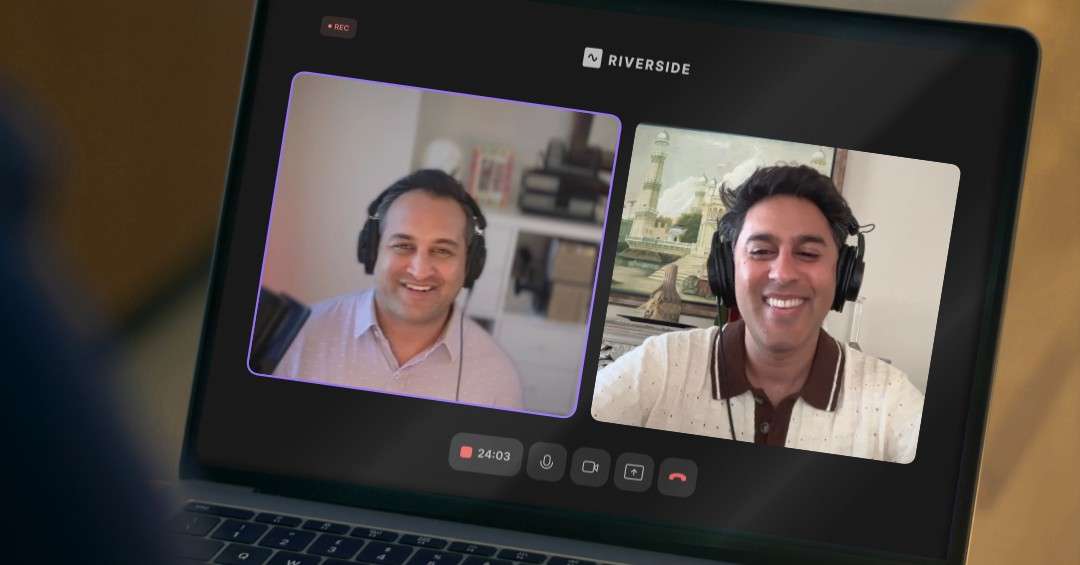
In Episode 64 of Letters of Intent, Pankaj Raval and Sahil Chaudry broke down Fox buying Roku, Paramount clearing the way for its Warner Brothers merger, and a $500 million fund handing pro athletes equity instead of appearance fees. Each story carries a direct lesson for founders and growing businesses.
Let’s unpack all three and what they mean for you.
Fox Buys Roku: Your Stock Is a Currency
Fox just agreed to acquire Roku for around $22 billion. The price works out to roughly $160 per share, paid as $96 in cash plus Fox stock for the rest. It is Fox’s big swing into streaming, and a way to reach more than 100 million households. Wall Street was not impressed, and Fox stock dropped on the news.
The key detail for business owners is the structure. This is a mixed deal of cash and stock, not pure cash. As Sahil explained, that introduces real risk, because stock can go up or down between signing and closing.The Lesson: Bake In the Volatility
If you ever accept stock in an acquisition, you must legally bake the market volatility risk into the purchase agreement. The value on signing day may not match the value when the money actually moves. Smart agreements account for that swing.
There is a flip side, and it is empowering. When you own stock in your own company, you are building a currency. As Sahil put it, the currency can be traded in the future for some kind of acquisition. Your equity is not just paper. It is buying power.
One more warning applies here. Signing is not closing. Most deals include customary closing conditions like shareholder votes, regulatory clearances, and no material adverse change. The deal is not done until the money hits your account. That is why we build clear walk rights into every agreement we negotiate.
Paramount and Warner Brothers: The Power of the Break Fee
The second deal is the Paramount and Warner Brothers merger, which just cleared the Department of Justice with zero conditions. It is the biggest like-for-like Hollywood combination ever. Even so, it is not fully done. The FCC, foreign regulators, and a group of state attorneys general still stand in the way, and a September closing clock is ticking.
One detail jumps out. Paramount agreed to absorb the $2.8 billion break fee that Warner Brothers owed Netflix. In plain terms, a new buyer stepped in and said the prize was worth taking on someone else’s termination cost.
The Lesson: Make the Buyer Absorb the Cost
This pattern shows up in deals of every size, not just Hollywood megamergers. We see it with franchises and hotels, where termination fees come into play when one party exits a long-term contract.
Pankaj offered a memorable analogy. A seller with desirable IP should think like they are heading to a club on the hottest night, dressed to be the most wanted person in the room. The more you are wanted, the more buyers will give up to win you. If your asset is valuable enough, you can push termination costs and liabilities onto the buyer.
The takeaway is simple but powerful. You should always ask. As Pankaj noted, if you ask for ten things, you might get three. If you ask for a hundred, you might get thirty. Asking for more is itself a negotiation tactic, and thirty beats three every time.
Earnouts: De-Risking the Deal
The Paramount story also surfaces a tool every buyer and seller should understand: the earnout. When a deal faces uncertainty, an earnout helps bridge the gap between what a seller promises and what a buyer believes.
Here is how it works. When you buy a company, you are really buying its future performance. But what if the seller is too optimistic about earnings? An earnout holds back part of the payment, tied to actual results.
For example, a seller might receive the final 10 or 20 percent of the price only if the business performs at the level they claimed. As Pankaj put it, you make them put their money where their mouth is.
Why This Matters for Smaller Deals
You do not need a billion-dollar budget to use this strategy. Earnouts work beautifully for small and mid-sized acquisitions too.
Imagine buying a company whose owner says it has grown steadily for three years. An earnout lets you say: prove it. Agree to hit at least 90 percent of those numbers over the next few years, and you get the full price. If the performance does not hold up, the holdback protects you.
Accounting is often more art than science. How revenue is categorized, how debt is treated, and how earnings are presented can all be massaged. So you want skilled professionals scrutinizing every line item of both the term sheet and the financials. De-risking the deal this way is one of the most valuable things a deal attorney does.
Rhoback and the Rise of Equity Endorsements
The third deal is a genuine shift in how value works. A $500 million fund backed by LVMH, with more than 250 pro athletes behind it, made its first bet: nearly $50 million into the activewear brand Rhoback. The athletes include names like Dak Prescott, Tyrese Haliburton, and Mike Trout.
Here is what makes it different. These athletes are not getting paid to wear the polo. They are buying a piece of the company. As Sahil summed it up, the endorsement is out and ownership is in.
The Rhoback story is impressive on its own. The brand started in a camper van, never took outside money, and still crossed $150 million in revenue while staying profitable. This investment is its first outside check ever.
The NIL Connection
Rhoback grew partly by being an early adopter of name, image, and likeness deals with college athletes after the 2021 NIL shift. That move built one of apparel’s fastest-growing collegiate licensing businesses.
The NIL economy is booming, and it is reshaping college sports. In some cases, it is now more lucrative to stay in college and earn NIL money than to get drafted. Licensing an athlete’s name, image, and likeness has become a massive business, and the floodgates are open for brands that understand how to leverage it.
Protecting Your Operational Control
The Rhoback deal carries a crucial warning for any founder taking on investors. Rhoback took the money for a minority stake while protecting its operational and creative control. That does not always happen.
Too often, minority investors want a board seat, veto rights, and a say over every major decision. Sometimes a brand is so eager for cash that it sacrifices long-term control for a short-term check. Sahil’s advice is to generally avoid that trade.
Keep Control Unless It Is a True Strategic Partner
If you are the founder with majority ownership and board control, protect it. Give minority shareholders fair economic rights, but keep them out of operational decision-making where you can. The exception is a true strategic partner who brings more than money.
This matters even more in a creative business. Preferred shareholders may earn a director seat or a vote on things that directly harm their rights. But absent a real strategic reason, you do not want passive investors steering your operations or your creative direction.
As Sahil noted, a brand like Rhoback runs on a secret sauce. A dog logo carries real value, but there is an X factor in an art-driven business that often only the founders understand. Protecting that control protects the magic.
The Common Thread: IP Is the Ultimate Moat
Step back, and one theme connects all three deals. Each is about distribution, brand fame, and intellectual property.
Fox bought Roku for its distribution infrastructure and trusted name. Paramount bought Warner Brothers for its content library. The athletes are buying into Rhoback for its brand. In every case, the IP is where the value lives, because IP is what can be licensed and sold.
As Sahil put it, everything else can be commoditized. IP is your most valuable asset. None of these deals would happen without protected IP at the center.
So what does this mean for your business? First, protect your IP through proper registration. Second, enforce it, because unenforced trademarks and copyrights can be lost. Third, think strategically about how to license and monetize it over time.
At Carbon Law Group, we help founders protect their IP, structure acquisitions, and defend their cap table when negotiating with investors. We are the firm for risk takers and dealmakers.
If you want to build, protect, and leverage what you own, contact Carbon Law Group today at carbonlg.com to schedule a consultation. Good luck, and happy dealmaking.