
Elon Musk just lost one of the most closely watched lawsuits in the history of artificial intelligence. And here is the surprising part. He did not lose because he was wrong on the facts. He lost on a technicality that affects businesses of every size.
What started as a $38 million donation to a nonprofit turned into an $800 billion legal showdown over the future of AI. A federal jury in Oakland dismissed Musk’s claims against OpenAI. But the jury never even ruled on the heart of his argument. Instead, they dismissed the case on a single procedural issue: the statute of limitations.
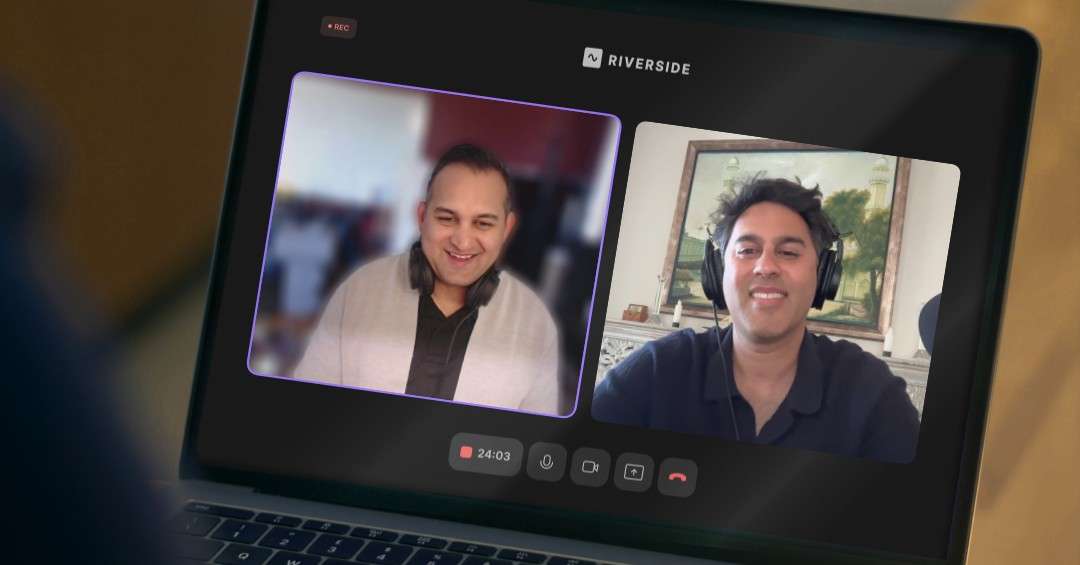
In Episode 60 of Letters of Intent, Pankaj Raval and Sahil Chaudry broke down exactly what happened and why it matters far beyond Silicon Valley. The lessons here apply directly to small business owners, founders, and anyone who has ever sealed a deal with a handshake.
Let us walk through what this case teaches you about protecting your business.
What the Musk vs. OpenAI Case Was Actually About
In broad strokes, Elon Musk argued that OpenAI was meant to be a charity. On that basis, he donated $38 million in the company’s early years. He claims that money came with an understanding: OpenAI would prioritize AI safety and open-source technology.
Fast forward to today. OpenAI is now positioned for an IPO that could be one of the largest in history. Musk essentially argued that the nonprofit he funded had taken his donation and converted it into a for-profit enterprise worth hundreds of billions.
That is a fascinating legal question. Unfortunately, the jury never got to rule on it.
Here is why. The jury found that Musk simply waited too long to sue. From the moment he became aware of the alleged breach, a legal clock started ticking. He had a limited window to file his claim. By the time he actually sued, that window had closed.
The court did not decide whether OpenAI abandoned its mission. It did not decide whether Musk’s donation came with strings attached. The case was dismissed purely on timing. As Sahil put it on the show, Musk lost on the basis that the statute of limitations had expired on his claim.
For a dispute involving hundreds of billions of dollars, losing on a calendar technicality is remarkable. But it is also a powerful warning for everyone else.
The Statute of Limitations: Why the Clock Is Always Ticking
Let us talk about the concept at the center of this case. The statute of limitations is a legal deadline. It sets the maximum amount of time you have to file a lawsuit after a dispute arises.
Miss that deadline, and you lose the right to sue. It does not matter how strong your case is. It does not matter how clearly you were wronged. Once the clock runs out, the courthouse door closes.
In Musk’s case, the clock started the moment he became aware of the alleged breach. That is the key detail. The deadline does not begin when you finally decide to take action. It begins when you knew, or reasonably should have known, that something was wrong.
There is also a related doctrine called laches. This applies when you sit on your rights too long and, as a result, lose them. Both concepts exist for the same reason. The law encourages people to pursue claims sooner rather than later. It does not reward a wait-and-see posture that drags on for years.
Why does this matter to a small business owner? Because this exact issue comes up constantly. Maybe a vendor breached a contract two years ago. A former partner might have walked away with something that belonged to the business. Perhaps a client never paid an invoice. In each case, a clock is ticking, and most owners do not realize it.
Sahil noted that clients often ask the firm to draft demand letters during a conflict. That works for a while. But there is only so long you can negotiate before it becomes time to file a lawsuit or lose the right entirely. If you are sitting on a potential claim, time is not on your side.
How Public Statements Sank Musk’s Case
Here is one of the most striking lessons from this entire battle. Elon Musk’s own public statements helped prove that his lawsuit was filed too late.
Musk is famously vocal. He posts constantly on X, the platform he owns. Over the years, he publicly criticized OpenAI and its shift away from its original mission. Those posts created a clear, dated, public record of when he became aware of the issue.
Think about how damaging that is to a statute of limitations argument. To win, Musk would have needed to show that he only recently discovered the breach. But his own tweets, interviews, and public criticisms proved otherwise. The record showed he knew about the issue years earlier, well outside the filing window.
For agreements, the deadline is generally three years for unwritten claims and four years for written ones. Musk’s public trail placed his awareness far outside those limits.
The lesson for business owners is simple but easy to overlook. Your public statements can be used as evidence. Your social media posts, your emails, and your public comments can all establish what you knew and when you knew it.
If you are building toward a potential legal claim, be aware that your digital footprint tells a story. A casual post complaining about a business partner could later become proof that your own clock started ticking long ago. This is one more reason to involve legal counsel early, before you talk yourself out of a valid claim in public.
Why Handshake Donations and Undocumented Deals Are a Liability
This case is a masterclass in the dangers of undocumented expectations. Musk says his $38 million donation came with conditions. OpenAI’s legal team countered that there was no testimony or evidence showing Musk placed any restrictions on the money.
That is the entire problem in one sentence. If the conditions were never written down, they are nearly impossible to enforce.
Without documentation, the nonprofit’s board was generally free to use that money as it saw fit. That included creating a for-profit subsidiary, issuing shares, and eventually pursuing an IPO. Musk’s unwritten expectations, however genuine, carried little legal weight.
The $38 Million or $38,000 Principle
This is where so many businesses get into trouble. Picture a scenario that plays out all the time. You give a fellow entrepreneur capital to launch a venture. Both of you understand it is for a specific purpose. Because you trust each other, nobody writes it down. Two years later, the money went somewhere else entirely, and you have no way to prove your intent.
The principle applies whether you are moving $38 million or $38,000. If you attach conditions to money, those conditions must be in writing at the time of the transaction. A donation with strings, an investment with milestones, a loan with repayment terms: all of it needs documentation.
Sahil offered an important related insight. You do not always know how you will view your business partners a few years from now. At the start, everyone is aligned and excited. Relationships feel solid. But circumstances change, and the gloves can come off. The time to document your intent is while everyone is still getting along, not after the conflict begins.
At Carbon Law Group, this is one of the most common issues we help clients avoid. Getting your agreements in writing, at the right time, is the single most reliable way to protect your interests.
The Nonprofit Loophole Everyone Is Misunderstanding
A lot of headlines claim OpenAI “converted” from a nonprofit into a for-profit company. According to Sahil, that is not actually what happened, and the distinction matters.
Here is the reality. The OpenAI nonprofit still exists. Nonprofits do not have shares, and nobody can own them. A board of directors governs them, and state attorneys general regulate them under strict rules. You cannot invest in a nonprofit or take it public.
So how is OpenAI heading toward a massive IPO? The nonprofit created and controls a separate for-profit subsidiary. That subsidiary can issue shares, distribute dividends, and earn profit. For years, it operated under a capped-profit model, with the nonprofit holding control and limiting how much profit the for-profit arm could pursue.
Now that cap is being removed. The for-profit entity is recapitalizing into a public benefit corporation while the nonprofit keeps control. That structural step is what unlocks the path to going public.
Here is the part worth appreciating. OpenAI is able to pursue this IPO because the company documented everything correctly, every step of the way. They started as a nonprofit, accepted donations, created a controlled for-profit subsidiary, and papered each transition properly. As Sahil described it, this was a remarkable exercise in careful lawyering.
The contrast could not be sharper. OpenAI documented its structure meticulously and is now positioned for a historic IPO. Musk relied on undocumented expectations and lost on a technicality. Same situation, two completely different approaches to legal documentation, two completely different outcomes.
What Pending Litigation Does to a Company’s Value
There is another lesson buried in this story, and it speaks directly to founders thinking about their own exit someday.
Musk’s lawsuit was an existential threat to OpenAI. He sought a court order to unwind the company’s ability to pursue a for-profit mission without a cap. He even demanded the removal of CEO Sam Altman and president Greg Brockman. Had the case proceeded on the merits, it could have derailed everything.
That is why the dismissal matters so much. The lawsuit was the last major roadblock standing between OpenAI and a valuation approaching one trillion dollars. With the legal threat cleared, the company can move toward one of the largest public offerings in history.
Consider the stakes involved. Greg Brockman’s stake in the for-profit subsidiary is reportedly close to $30 billion. Microsoft invested $13 billion between 2019 and 2023, a stake later valued at around $135 billion. A single unresolved lawsuit hanging over the company could have threatened all of it.
The takeaway for business owners is clear. Pending litigation suppresses value. If you are ever planning to raise capital, sell your company, or go public, unresolved legal disputes become a serious liability. Buyers and investors discount what they cannot predict. A lingering lawsuit creates exactly that kind of uncertainty.
This is one more reason to resolve disputes early and keep your legal house in order. The cleaner your legal standing, the more valuable your business becomes when it matters most.
Protect Your Business Before the Clock Runs Out
So what should you actually do with all of this?
First, do not sit on your rights. If you believe you have been wronged by a partner, vendor, or client, talk to a lawyer promptly. The statute of limitations is real, and the clock may already be running. Waiting can quietly cost you the entire claim.
Second, put everything in writing. Whether you are making a donation, an investment, or a simple business arrangement, document the terms at the time of the transaction. Unwritten expectations are nearly worthless in court.
Third, get the right legal counsel involved early. The smartest move Musk could have made was to consult counsel the moment he sensed a breach. A good attorney would have flagged the deadline and helped him act in time.
At Carbon Law Group, we help founders and business owners across Los Angeles document their agreements, protect their rights, and act before deadlines expire. We guide clients on structuring nonprofit and for-profit entities, drafting enforceable agreements, and resolving disputes before they become catastrophic.
Your agreements are only as good as the paper they are written on. Document everything, act promptly, and get proper counsel to guide you.
Contact Carbon Law Group today at carbonlg.com to schedule a consultation. Do not let a technicality cost you what you have built.