
The 2026 World Cup brought more than thrilling soccer to American stadiums. It brought a fascinating business drama, one that every founder should study. Global sponsors got their logos taped over, and the brands fought back in the most creative way possible.
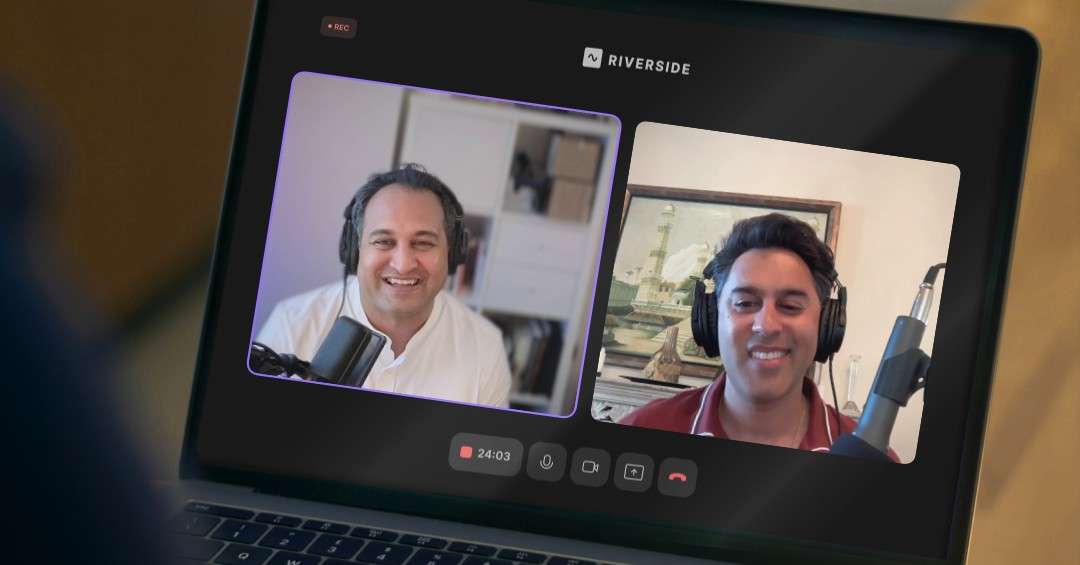
In Episode 65 of Letters of Intent, Pankaj Raval and Sahil Chaudry broke down the whole saga. They explored how FIFA flexed its economic muscle, how legacy brands turned constraints into viral wins, and what it all teaches growing businesses about brand equity and creative compliance. Let’s dig in.
FIFA’s Power Play: Covering Up the Logos
Here is what caught everyone’s attention. When the World Cup came to town, FIFA required host stadiums to hide their existing corporate branding.
Pankaj noticed it firsthand. Heading to a match, he realized SoFi Stadium was no longer SoFi Stadium. During the tournament, it became “Los Angeles Stadium.” FIFA had even scrubbed the branding from Google Maps. The same thing happened elsewhere. Levi’s Stadium became Santa Clara Stadium, and Gillette Stadium became Seattle Stadium.
Why would stadiums agree to erase branding they sold for millions? The answer is leverage. FIFA is an economic juggernaut. In the 2022 World Cup, it earned $7.5 billion from broadcasting rights, ticket sales, and sponsorships.
That kind of money changes the equation. Cities actively court FIFA because the tournament creates enormous economic stimulus and tourism revenue. As Pankaj noted, that stimulus dwarfs whatever a stadium earns from its naming rights deal.
There is a legal wrinkle too. In Toronto, the public learned FIFA paid little or no rental for the stadiums. Most host agreements likely follow that pattern. The economic upside is simply too big for cities to say no. This is what raw market leverage looks like, and it is a lesson in who really holds power in a negotiation.
The Brands That Got Taped Over
The stadiums made their deal with FIFA. But that left the original sponsors in a tough spot. These brands paid a fortune for naming rights, and now their logos were covered.
As corporate attorneys, Pankaj and Sahil saw the contract question right away. A brand like Levi’s does not simply walk away and hide its logo for free. Somebody has to make it whole. That compensation likely comes from FIFA, from the stadium, or from terms baked into the original naming rights contract.
In fact, many of these contracts probably included a clause all along. Stadiums often reserve the right to remove branding for major events. Otherwise, no brand would agree to spend that kind of money. So the cover-up was likely legal, and litigation would have been pointless.
That is a crucial insight. The brands could not stop the World Cup, could not out-muscle FIFA, and could not win in court. Fighting would have burned money and goodwill for nothing.
Think of it like a tenant whose lease allows the landlord to repaint the building for a special event. You might not love it, but you agreed to it. Your energy is better spent on a creative response than a losing legal battle. That is exactly what these brands figured out.
Making Lemonade: The Creative Comeback
This is where the story gets fun. The taped-over brands did not sulk. They turned the constraint into a viral marketing moment.
Gillette led the way. The brand covered its stadium logo with shaving cream. It was funny, clever, and instantly recognizable. When you see shaving cream, you think Gillette. The cover-up became an ad.
Levi’s got in on the action too. The brand turned its covered logo into the profile image of its Instagram account. It also jumped into the online conversation with well-timed comments. Levi’s stayed culturally relevant without paying a cent in official sponsorship.
Then came Heinz, with maybe the smartest move of all. Heinz leaned into the black tape covering its name and released a limited product branded as the “unofficial stadium ketchup,” complete with the tape design. A restriction became a product launch.
Sahil summed up the genius of it. To take reduced visibility and turn it into increased visibility is the essence of entrepreneurship. These brands made lemonade out of lemons.
The irony is delicious. FIFA covered these logos to protect its paying sponsors. But the cover-ups became so noteworthy that the hidden brands got more attention than they would have otherwise. As Sahil pointed out, most people cannot name the official FIFA sponsors, yet everyone remembers Gillette, Levi’s, and Heinz. The strategy backfired on FIFA and rewarded the creative players.
The Digital Ecosystem Changes Everything
Why did this creative approach work so well? Because we live in a different age. Before social media, a covered logo simply disappeared. There was no silver lining to find.
Sahil made a sharp point here. Brand building no longer lives only in the physical world. Your name on a stadium still matters, but it is no longer the most important channel. Today, brands collect millions of views on TikTok, Instagram, Reddit, and beyond.
That changes the entire calculation. The real audience for the Gillette stunt was not the fans walking into the stadium. The real audience was online, watching, commenting, and sharing. A single clever photo can get picked up by the algorithm and spread like wildfire.
Consider where the Levi’s story actually played out. The covered logo became relevant as an Instagram profile image, not as a physical sign. The conversation between these brands happened online, not in the stands.
This is a mindset shift every business should absorb. Smart creatives now treat the world as raw material for digital content. For businesses, the takeaway is clear. Your digital identity is now one of your most valuable assets, and moments like these are where brand equity gets built.
The Real Lesson: Lock Down Your IP and Build Brand Equity
So what should founders take from all this? The first lesson is about intellectual property.
Sahil put it plainly. Lock down your IP rights, because that is what can go viral. Your trademarks and copyrights are what breathe oxygen into your brand. When a moment like this hits, strong IP is what lets you capitalize on it.
Pankaj, a trademark lawyer, was struck by the sheer strength of these brands. Shaving cream makes you think Gillette. The batwing stitch makes you think Levi’s. That kind of instant association is incredibly valuable, and it does not happen by accident. Levi’s and Gillette invested millions over decades to build it.
So ask yourself a few questions as you build your brand. What makes it distinctive? What makes it memorable? Is it clearly associated with your product or service? Distinctiveness is what allows a brand to stay recognizable even when its logo is hidden.
There is a second lesson about brand equity. Sahil called these “tent pole” moments, the kind of cannonball events that build lasting value. That value is real. It is what an investor will eventually want to buy, or what you can license down the road.
Here is the encouraging part for smaller businesses. You do not need FIFA money to play this game. If you are priced out of a big event like a World Cup or a Coachella, get creative. Find an unconventional way to make your presence known and generate buzz.
Working With a “Yes, And” Lawyer
The final lesson is about how you work with your attorneys. It might be the most important one for founders.
Pankaj framed it with a classic saying. When all you have is a hammer, everything looks like a nail. The law can be a hammer. Lawyers can file lawsuits, pursue regulatory action, and come down hard on problems. But that is not always the right answer.
As Sahil said, not all legal problems require a legal solution. FIFA almost certainly had the contractual right to cover those logos. There was no legal fix. But there was a brilliant creative fix, and that made all the difference.
This is where the right kind of lawyer matters. Sahil borrowed a phrase from his brother, the content creator Colin and Samir: constraints create creativity. A good attorney does not just say no. A good attorney explains the guardrails, then helps you color creatively within them.
Often, business owners assume the legal lines are thicker and more restrictive than they really are. When a lawyer explains the actual rules of the game, you gain the confidence to get creative without fear of stepping over the line.
Pankaj calls this being a “yes, and” lawyer. Not “no.” Not just “yes, but.” Instead: yes, your contract says this, and here is how we can think outside the box. At Carbon Law Group, that is exactly the approach we take.
You need both halves to succeed. You need the business mindset to spot the creative opportunity, and the legal understanding to manage risk so you do not step into something that could tank your business. That combination is what turns a legal limit into a viral win.
If you want a legal partner who helps you find creative solutions, not just roadblocks, contact Carbon Law Group today at carbonlg.com. Until next time, keep on shooting your shot.