
Dealmaking Lessons From Fox, Paramount and Rhoback

Home / Podcast / Dealmaking Lessons From Fox, Paramount and Rhoback

Dealmaking Lessons From Fox, Paramount and Rhoback

Three huge deals dropped this week, and they all ask the same question. When the music stops, who actually owns the thing that matters? And did they get it in writing?

In Episode 64 of Letters of Intent, Pankaj Raval and Sahil Chaudry broke down Fox buying Roku, Paramount clearing the way for its Warner Brothers merger, and a $500 million fund handing pro athletes equity instead of appearance fees. Each story carries a direct lesson for founders and growing businesses.

Let’s unpack all three and what they mean for you.
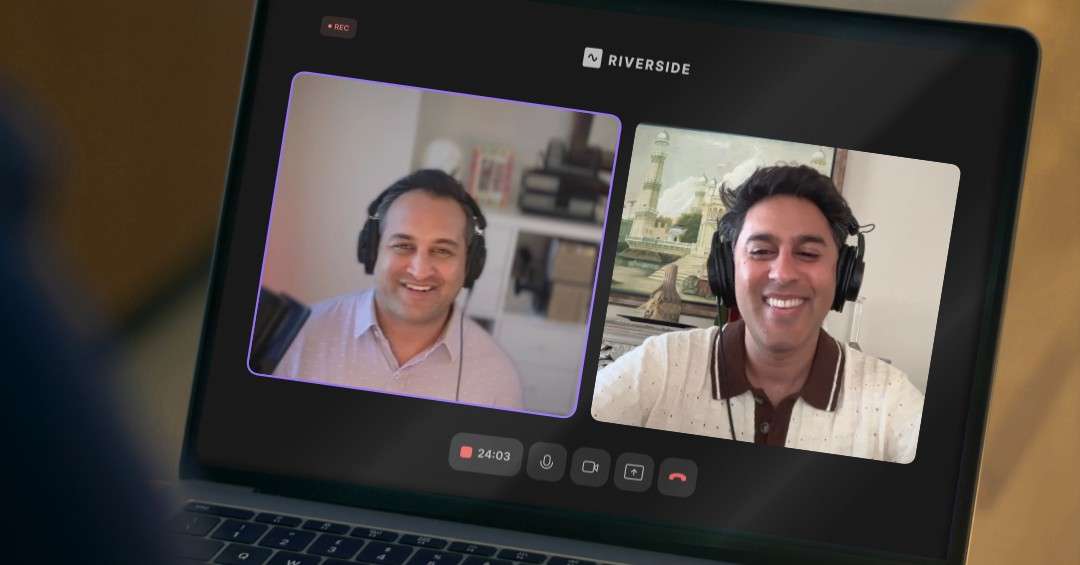
Two podcast hosts wearing headphones smile during a recorded Riverside video session on a laptop screen, representing the Letters of Intent episode breaking down the Fox, Paramount, and Rhoback dealmaking headlines.
From Fox buying Roku to Paramount’s break fee to athletes taking equity in Rhoback, the Letters of Intent hosts unpack the dealmaking lessons every founder needs.

Fox Buys Roku: Your Stock Is a Currency

Fox just agreed to acquire Roku for around $22 billion. The price works out to roughly $160 per share, paid as $96 in cash plus Fox stock for the rest. It is Fox’s big swing into streaming, and a way to reach more than 100 million households. Wall Street was not impressed, and Fox stock dropped on the news.

The key detail for business owners is the structure. This is a mixed deal of cash and stock, not pure cash. As Sahil explained, that introduces real risk, because stock can go up or down between signing and closing.The Lesson: Bake In the Volatility

If you ever accept stock in an acquisition, you must legally bake the market volatility risk into the purchase agreement. The value on signing day may not match the value when the money actually moves. Smart agreements account for that swing.

There is a flip side, and it is empowering. When you own stock in your own company, you are building a currency. As Sahil put it, the currency can be traded in the future for some kind of acquisition. Your equity is not just paper. It is buying power.

One more warning applies here. Signing is not closing. Most deals include customary closing conditions like shareholder votes, regulatory clearances, and no material adverse change. The deal is not done until the money hits your account. That is why we build clear walk rights into every agreement we negotiate.

Paramount and Warner Brothers: The Power of the Break Fee

The second deal is the Paramount and Warner Brothers merger, which just cleared the Department of Justice with zero conditions. It is the biggest like-for-like Hollywood combination ever. Even so, it is not fully done. The FCC, foreign regulators, and a group of state attorneys general still stand in the way, and a September closing clock is ticking.

One detail jumps out. Paramount agreed to absorb the $2.8 billion break fee that Warner Brothers owed Netflix. In plain terms, a new buyer stepped in and said the prize was worth taking on someone else’s termination cost.

The Lesson: Make the Buyer Absorb the Cost

This pattern shows up in deals of every size, not just Hollywood megamergers. We see it with franchises and hotels, where termination fees come into play when one party exits a long-term contract.

Pankaj offered a memorable analogy. A seller with desirable IP should think like they are heading to a club on the hottest night, dressed to be the most wanted person in the room. The more you are wanted, the more buyers will give up to win you. If your asset is valuable enough, you can push termination costs and liabilities onto the buyer.

The takeaway is simple but powerful. You should always ask. As Pankaj noted, if you ask for ten things, you might get three. If you ask for a hundred, you might get thirty. Asking for more is itself a negotiation tactic, and thirty beats three every time.

Earnouts: De-Risking the Deal

The Paramount story also surfaces a tool every buyer and seller should understand: the earnout. When a deal faces uncertainty, an earnout helps bridge the gap between what a seller promises and what a buyer believes.

Here is how it works. When you buy a company, you are really buying its future performance. But what if the seller is too optimistic about earnings? An earnout holds back part of the payment, tied to actual results.

For example, a seller might receive the final 10 or 20 percent of the price only if the business performs at the level they claimed. As Pankaj put it, you make them put their money where their mouth is.

Why This Matters for Smaller Deals

You do not need a billion-dollar budget to use this strategy. Earnouts work beautifully for small and mid-sized acquisitions too.

Imagine buying a company whose owner says it has grown steadily for three years. An earnout lets you say: prove it. Agree to hit at least 90 percent of those numbers over the next few years, and you get the full price. If the performance does not hold up, the holdback protects you.

Accounting is often more art than science. How revenue is categorized, how debt is treated, and how earnings are presented can all be massaged. So you want skilled professionals scrutinizing every line item of both the term sheet and the financials. De-risking the deal this way is one of the most valuable things a deal attorney does.

Rhoback and the Rise of Equity Endorsements

The third deal is a genuine shift in how value works. A $500 million fund backed by LVMH, with more than 250 pro athletes behind it, made its first bet: nearly $50 million into the activewear brand Rhoback. The athletes include names like Dak Prescott, Tyrese Haliburton, and Mike Trout.

Here is what makes it different. These athletes are not getting paid to wear the polo. They are buying a piece of the company. As Sahil summed it up, the endorsement is out and ownership is in.

The Rhoback story is impressive on its own. The brand started in a camper van, never took outside money, and still crossed $150 million in revenue while staying profitable. This investment is its first outside check ever.

The NIL Connection

Rhoback grew partly by being an early adopter of name, image, and likeness deals with college athletes after the 2021 NIL shift. That move built one of apparel’s fastest-growing collegiate licensing businesses.

The NIL economy is booming, and it is reshaping college sports. In some cases, it is now more lucrative to stay in college and earn NIL money than to get drafted. Licensing an athlete’s name, image, and likeness has become a massive business, and the floodgates are open for brands that understand how to leverage it.

Protecting Your Operational Control

The Rhoback deal carries a crucial warning for any founder taking on investors. Rhoback took the money for a minority stake while protecting its operational and creative control. That does not always happen.

Too often, minority investors want a board seat, veto rights, and a say over every major decision. Sometimes a brand is so eager for cash that it sacrifices long-term control for a short-term check. Sahil’s advice is to generally avoid that trade.

Keep Control Unless It Is a True Strategic Partner

If you are the founder with majority ownership and board control, protect it. Give minority shareholders fair economic rights, but keep them out of operational decision-making where you can. The exception is a true strategic partner who brings more than money.

This matters even more in a creative business. Preferred shareholders may earn a director seat or a vote on things that directly harm their rights. But absent a real strategic reason, you do not want passive investors steering your operations or your creative direction.

As Sahil noted, a brand like Rhoback runs on a secret sauce. A dog logo carries real value, but there is an X factor in an art-driven business that often only the founders understand. Protecting that control protects the magic.

The Common Thread: IP Is the Ultimate Moat

Step back, and one theme connects all three deals. Each is about distribution, brand fame, and intellectual property.

Fox bought Roku for its distribution infrastructure and trusted name. Paramount bought Warner Brothers for its content library. The athletes are buying into Rhoback for its brand. In every case, the IP is where the value lives, because IP is what can be licensed and sold.

As Sahil put it, everything else can be commoditized. IP is your most valuable asset. None of these deals would happen without protected IP at the center.

So what does this mean for your business? First, protect your IP through proper registration. Second, enforce it, because unenforced trademarks and copyrights can be lost. Third, think strategically about how to license and monetize it over time.

At Carbon Law Group, we help founders protect their IP, structure acquisitions, and defend their cap table when negotiating with investors. We are the firm for risk takers and dealmakers.

If you want to build, protect, and leverage what you own, contact Carbon Law Group today at carbonlg.com to schedule a consultation. Good luck, and happy dealmaking.

🔗 Learn More
Website: carbonlg.com

Dealmaking Lessons From Fox, Paramount and Rhoback

Pankaj (00:03)
All right, everyone, welcome back to another episode of Letters of Intent. My name is Pankaj Raval. I’m the founder of Carbon Law Group. I’m joined today by my trusted co host, Sahil Chaudry. Sahil, how are you, man?

Sahil (00:12)

I’m doing but not as good as you. I saw you at FIFA Pankaj. How was that?

Pankaj (00:17)
I

I was, you know, unfortunately did make it on the but I was in the stands, had some good Yeah, I decided to a little risk buy the tickets my friend won in the lottery. So my buddy in Arizona won the lottery and he’s like, I’m not gonna take him. You wanna take him? I’m like, sure. Let’s make an investment, maybe treat some If you guys are listening want to be a guest at the World Cup, hey, there could be a chance. If you guys want to work with us.

yeah, I had a chance to to the World Cup so I went to the Bosnia Switzerland game yesterday and it was fun. Just the electricity, the SoFi was so fun. The Bosnian crowd was like awesome, like super loud. The Swiss crowd was not quite as loud. It was funny, it was more Bosnians than Swiss there. but yeah, everyone was in good spirits and just having a great time. It was just one, big party and yeah, a lot of fun. It just reminds you

Of how we live in a very global world and I feel like sometimes we forget that, especially with the news and how we live in this world where there’s so much value and beauty and understanding other people’s cultures and I feel like we gotta do more of that. And I feel like if one thing FIFA reminds us that, we are really a connected world and it’s good to learn about other cultures. So it was awesome.

Sahil (01:02)
Yeah, right.

Yeah,

definitely. I feel like there’s so much news about wars that we need some events that are about bringing people together and sport definitely does that. It like cuts through all the barriers.

Pankaj (01:24)
Yeah. Yeah. Absolutely. And we’re lucky,

too. LA’s got a lot of sports coming up. We got FIFA, we got Super Bowl, then we got the Olympics. So it’s gonna be a busy few years and a lot of fun. if you get a chance to go to any of the games, I would say do it. It’s generally could be like a once in a lifetime experience I went with my brother in law , we had a great time.

Sahil (01:41)
So, there are a lot of exciting things happening right now, especially in the sports world. Now, our sports world is the world of M&A, and we’ve got some buzzy hot deals this week. So we’re gonna dive right into them. Three big deals dropped this week, and they’re really all asking the same question, which is when the music stops, who actually owns the thing that matters? And did they get it in writing? We’re talking about

Pankaj (01:49)
Yes.

Sahil (02:06)
PSAs. We’re talking about purchase agreements. Number one, Fox buys Roku. This is Fox’s attempt to get into the game of streaming. They’ve kind of been left behind here. is Lachlan Murdoch’s first big swing since the succession fight. $22 billion to buy a direct line into 100 million plus streaming households. Wall Street hated the price as Fox’s stock dropped sharply on the news.

Number two, we’ve got Paramount Warner Brothers clears the DOJ. The biggest like-for-like Hollywood combination ever just got federal antitrust clearance with zero conditions. A little bit unsurprising considering the close ties of the Ellison family and the president. But it’s still not a done deal. We still have the FCC, we’ve got foreign regulators and a coalition of state AGs that are still all in the way.

And there is a September clock ticking. And finally, deal number three. Athletes are buying in instead of cashing out a $500 million fund backed by LVMH. And 250 plus pro athletes made its first bet, nearly $50 million into activewear Rhoback. And it flips the endorsement model on its head. We’re talking about equity instead of appearance fees. I think athletes are catching on here.

That the value is baked into equity. And we’re gonna talk a little bit about that today. The value you know, we see as deal lawyers is IP equity. That’s where you’re really gonna see your biggest pop. the legal backbone is an IP right that almost everyone names wrong, and we’re gonna get into that too. So I’m gonna kick things off with deal number one. Pankaj we’ve got Fox buying Roku. Do you have Roku?

My parents have like that the box that gets you every single cannon. Yeah, everyone has some kind of Roku or Roku alternative right now. ⁓ Feels like a good move.

Pankaj (03:44)
With IP.

Right, right.

Roku, I don’t know. I feel like it’s a bit of like the forgotten stepchild of some of these, streaming services. For me, I don’t have Roku. it may at one point had like a Roku stick that came with some TV or it came, I think as they’d have it installed on some TVs. so I don’t know. I feel like they’re getting maybe a B grade asset with Roku, but I don’t know the financials behind it. actually let’s look it up actually real quick. Well

Sahil (04:13)
Yeah,

so w what we got. Here are the here are the financials here. So Fox has agreed to acquire Roku for a hundred sixty dollars per share, ninety-six dollars in cash plus Fox class A shares. And we’re valuing Roku at roughly twenty-two billion dollars in enterprise value. So Wall Street did not like the price.

Pankaj (04:14)
Yeah, Ian, let’s go ahead. Yeah.

Sahil (04:35)
the stock price dropped on the announcement of the deal, but it feels like a way for Fox to get in the game. Now, here’s the important thing for you, our carbon community: that this is a mixed deal. We’ve got $96 cash and 0.9693 cents price per share of Fox shares in this deal. So there’s some risk here because when you go with stock, the stock price could go up.

And it could go down. So when you’re making a deal for stock, which we do also on a small to mid-sized business level, make sure you’re baking in that risk into the price of the stock. Your stock turns into a currency, which is really valuable. When you own stock, when you’re a business owner and you have stock in your company, know that you’re building up your own currency and currency that can be traded in the future for some kind of an acquisition. So

Remember that your stock is your currency. But when you’re buying someone else’s stock, know that just like currencies on the global market, that currency can go up and it can go down. I also want to highlight that this deal is still subject to customary closing conditions, which we’ll find on a lot of term sheets. So when you’re signing your purchase agreement, also, whether you’re selling stock in your company or you’re buying an asset, signing isn’t closing. There are usually customary closing conditions.

Shareholder votes, regulatory clearances, and no material adverse effect conditions, all still that have to happen. So remember, the deal isn’t done until the money hits your account. Even signing the document doesn’t mean the deal is done. People are your lawyers and we as Carbon Law Group also we’re baking in a lot of walk rights. So make sure you know what those walk rights are when you’re getting into a deal. And Pankaj, this takes us into

Pankaj (06:19)
Absolutely.

Sahil (06:21)
The Paramount Warner Brothers deal, which has cleared the DOJ. Is this unsurprising that it cleared the antitrust

Pankaj (06:28)
Not at all, honestly.

I was hoping, it’d get a little more scrutiny. I was hoping there’ll be a little bit deeper look at it, doubt it. I feel like this is a rubber stamp that was always meant to be given to these guys, given our political climate. And I hate to be, a naysayer or Debbie Downer, but this is the world we live in and unfortunately, money buys access and that’s exactly what we’re seeing here. I don’t think there’s another way to cut it, honestly.

Sahil (06:49)
absolutely. if we look at this deal, now there are still some regulatory hurdles ahead, and there’s also an outside closing date in September. I was thinking about the kinds of deals that we work on, let’s say with franchises, when a franchise is being sold or a franchise is being terminated. are a lot of outside closing date related conditions. what is the outside closing date?

And what does that mean? If we cross the outside closing date here because some regulatory hurdles fail, what happens to this deal?

Pankaj (07:20)
Yeah, I mean, that’s a big question. And I think there’s a lot of ways that the life cycle or lifespan of deals are extended. there could be earnouts, if they have to certain revenue projections, right? Like a lot of times I if you’re working with council who knows what they’re doing, you want to make sure that you’re de-risking the deal as much as possible. That means that, hey, you know, if there’s certain representations being made about a deal about the value of a company,

make sure it’s proven and upon acquisition, you want to make sure that, there’s got to be some holdback to say, hey, you get the last ten percent, you let get the last twenty percent, only if it performs at the level you’re saying it’s performing. Because, when you’re buying a company, you’re buying based on future, earnings. You’re buying based on the future performance of that company and your faith in yourself and your management to that company in a way that’ll allow it

to grow and your investment to grow. But if there’s misrepresentations, if they’re a little bit overzealous with the statement of earnings and accounting is not always a science. It’s very much an art a lot of times and how things are categorized, how debt is considered, you know, there’s some things that pretty complicated where you need very good professionals involved to scrutinize every line item on a

not only term sheet, but financials. So these are things you gotta think about when you’re buying companies. And with the amount of money involved here, you better believe that there’s a lot of diligence that’s happening. But I would say, if you’re buying a company and even a smaller company, think about, hey, earnouts, make them put

their money where the mouth is, or the mouth where the money is. I don’t know, which is a better better way of saying that. But I don’t know, something sounds dirty about that, but but know, make them prove it. Make them show that hey, you’re saying this is performing at this rate, you say it’s performed like this for the last three years. All right, then you should be willing to maintain that it’s gonna perform like this at least at ninety percent of what you’re saying for the next three years, given I don’t do anything ridiculous. So those are things you want to keep in mind.

Sahil (08:58)
Yeah.

There’s one other element here which I found really interesting, which is Paramount has agreed to pay the two point eight billion dollar break fee that Warner Brothers owed Netflix, and is absorbing that cost. I mean, does that make sense? do we see that in our deals where let’s say two people are in a deal and there is a penalty for backing out of that deal, but another player comes in and says, Hey, you know what? It’s worth it to me. I’ll absorb that cost and

I’ll take it on. I feel like we see this with hotels where there are termination fees. There are service termination fees or franchise termination fees where the buyer is saying, Okay, you know what? All I know you’re gonna have to deal with that cost. Let’s share it. I need to allocate or someone has to break some kind of contract, like a long-term contract. And then the seller says, Hey, look, I’m into doing this, I’m okay with doing this deal with you, but I don’t want to absorb all this cost related

these terminations I’m gonna have to incur. So how how should a seller think about that? You know, even a buyer is like, when is it worth it? how do you price that in?

Pankaj (09:50)
Yeah, yeah.

A seller should be thinking about this like they’re going to a club on the hottest night and they want to look the best possible. They gotta get done up, you know. you are there to Be the most attractive person in that club. And it’s good to be wanted, right? It’s good to be wanted, and that’s the thing. Like the more you’re wanted,

Sahil (10:07)
Yes.

Pankaj (10:12)
The more sellers are going to be willing to give up to get you. And that’s the name of the game, unfortunately. it’s not complicated if you think about it, right? and is a situation where Warner Brothers has a very everyone knows IP content is the gold, the new gold in the tech world, especially in the AI world, in the entertainment world, and as AI gets more.

Sahil (10:15)
Yeah.

Pankaj (10:31)
involved in our society and takes over more jobs, we’re probably gonna have more time for entertainment, right? So (in) the future, entertainment is not gonna be going away how we consume it and how our taste may change, but entertainment is gonna be used more and more as people have maybe fewer things to do. So they see the value here and I think that’s why they’ve been willing to pay these break fees because they know how valuable of an asset this really is.

and what they think they can do with it. Now, can they do that with it? Is it this valuable? Are they gonna be able to leverage it in a way that makes them more potentially? And, when we see more oligopolistic, monopolistic transactions taking place that aren’t gonna be scrutinized or stopped by the FCC or FTC, gonna see probably prices go up too and it’s gonna be bad for consumers. So we all we have to take that into consideration as well.

Sahil (11:13)
let’s say if I’m a seller, I think the lesson that we can pull out of this is if you’re a seller and you’re worried about the termination fees you’re gonna have to incur when you’re selling a business, hey, you might be able to push those fees onto your buyer if you have a valuable enough asset.

Pankaj (11:27)
You should always ask. You should always ask, and I think always ask, ⁓ well always ask. Yeah. I think it’s like, one of my favorite books is called The Aladdin Factor. I think it was by the guy who wrote like chicken soup for the soul, Jack Canfield. and I always tell everyone, like my wife, my kids, you’re never gonna know if you don’t ask. And I think in negotiations and M&A, any attorney that you have.

Sahil (11:29)
Yeah. always ask. That law group value. You should always ask.

Pankaj (11:48)
you want to always ask. And I always tell people gonna ask for ten, we’re gonna ask for a hundred things, and maybe we’re gonna get thirty, you know, if you ask for a hundred. The reality is we’ll probably get fewer than what we’re gonna ask for. you know the more you ask for, then it’s also a negotiation tactic. Then generally speaking, you’ll probably get a little bit more too. If you ask for ten things, you’ll get maybe three. If you ask for a hundred, maybe you’ll get thirty or maybe you’ll get twenty. But that’s still better than three, right? So I think you want to think about negotiations like that as well.

Sahil (12:11)
Absolutely. well, okay, now we’re gonna hit deal number three, which is a topic that is near and dear to my heart and yours. Athletes as owners, LVMH’s champ fund bets $50 million on rollback Pankaj. This, as you know, I love the fashion industry. and you have been fashion attorney as well, and you are an expert in IP. This deal has it all. There are M&A elements here, there are IP elements. So I’m gonna hit you with a few of the facts.

A $500 million fund backed by LVMH, and more than 250 pro athletes, including Dak Prescott, Tyrese Halliburton, Mike Trout, just made its first bet, which is $50 million into a Charlottesville Activewear brand that is best known for a dog logo. This brand is called Rhoback. Now, why is this deal different? These athletes aren’t getting paid to wear the polo. They’re buying a piece of the company. The endorsement is out and ownership is in. So

Here we go. Rhoback, it started in a camper van, never took outside money, and still crossed $150 million in revenue while staying profitable. Look, as someone who knows the fashion business, that is a huge achievement. And this is his first check ever. So I want to touch on a few M&A type elements and then a few IP-based elements. And to start with the IP type elements.

Rhoback was an early adopter of name, image, and likeness deals with college athletes after the 2021 NIL shift, building one of Apparel’s fastest growing collegiate athlete businesses, licensing businesses. Pankaj, can you talk us through why this is so valuable? Why is it valuable to license the name, image, and likeness of athletes? Why is this becoming ⁓ such a big business, especially when it comes to college

Pankaj (13:51)
Yeah, it’s a massive business. the NIL economy is growing We’re seeing athletes now, it’s changing the whole dynamic of who’s going pro and when and why. now it oftentimes is more lucrative to stay in college and play and make the NIL money than it is to even be drafted to the pros. So, it is interesting that how this is

Sahil (13:53)
Yeah, yeah.

Pankaj (14:11)
college sports. Some would argue not in a good way. Some will argue that it’s tainting the sport. That’s another conversation in itself. But the reality is that now college athletes can earn for their name, image, and likeness and that’s changing the whole dynamics of how we value these athletes. And I think it’s fascinating. I think it’s a huge business and why not reward

athletes for the work they’ve put in. So I think it’s an interesting thing. I fascinating. I think it was only a matter of time until we see these bigger investments in these funds. And I think there’s a lot of opportunity for this going forward.

Sahil (14:40)
And I wanna also comment on here the check that they’re getting is for a minority stake, and Rhoback has successfully protected themselves in terms of their operational and creative control, which doesn’t always happen. We see a lot of deals where minority investors wanna come in, take a board seat, have veto rights, have rights over every major operational and financial decision, and it doesn’t always make sense. But

sometimes a brand is very eager for that investment and will sacrifice control rights which have a long-term effect for the short-term cash. And we would generally advise against that. Stick with what feels fair. If you’re the founder and you have majority control over the board, you have majority stake in the company, you want to have your minority shareholders have the rights, economic rights.

But to the degree you can keep them out of the operational decision making, the better. Unless it’s a true strategic partner. But if it’s not a strategic partner and you’re just welcoming minority investors in, it’s very frequent that they’ll come in as preferred shareholders, and preferred shareholders do can get a director seat or can have a vote when it comes to something that’s negatively affecting their rights. But if it’s not negatively affecting their rights, like you’re not bringing on senior debt or senior equity.

Or Pari Passu equity holders, then you want to keep them out of the operational and creative financial decisions, especially with something like fashion, where it’s built on a secret sauce that’s not totally understandable. You have a logo here that’s valuable, but it’s not like you’re selling a commodity that’s easily understood. This is a dog logo, and there’s some X factor in an art driven business that sometimes only the founders understand. So

Pankaj (16:18)
Yeah. Yeah.

Sahil (16:19)
Pankaj,

that wraps up our deal headlines for the week. What’s the big headline lesson that founders can take away deal headlines, what would they be?

Pankaj (16:29)
So Sahil, I think the one common, throughline for all these deals is that, they’re all about distribution and leveraging the fame of brands.

These are companies that have fame

and content and IP. So you’re thinking about okay, how do you build in today’s age? It’s about leveraging IP, making sure your IP is protected, and making sure that you can license it or monetize it. And the only way to do that is by protecting it. So none of these deals would happen unless we have IP being protected. And that’s the first thing. if you’re looking to leverage your company, leverage your brand, build your brand out, get investors

You wanna make sure your IP is protected. You wanna make sure you’re enforcing your IP as well. we’ve covered in other episodes, that if you don’t enforce your trademarks, if you don’t enforce your copyrights, you could lose them. So make sure that you’re enforcing them, make sure you’re protecting them. And then making sure you think about, okay, yeah, how do you want to structure these deals in the future? How do you wanna license that? How do you wanna

leverage that to extract the most value. And we’re seeing a lot of opportunities for value extraction today types of industries and all the different kind of brands and new laws and regulations. We are in NIL it’s just opened the floodgates to what people can do in terms of leveraging their own brand at the collegiate level.

Sahil (17:35)
I think you’re absolutely right. are giving you access and IP. When Fox is buying Roku, they’re buying a trusted name and they’re also buying their streaming service and library. I mean, why can’t Fox just go into these homes? Well, Roku’s already built the infrastructure. They’ve already built that brand name. Paramount is Paramount’s Warner Brothers. Why? For its library. These IP assets are so valuable. Why are these athletes, why do they care about getting equity ownership

in this brand row back? Well the IP is where the value is. That’s what can be licensed. That’s what can be sold. So everything else can be commoditized. IP is your most valuable asset.

I want to us on this week’s episode of Letters of Intent, where we break down the buziest deal headlines and tease out the lessons for your real-world legal and business issues. This is the podcast for risk takers and deal makers, and we look forward to seeing you next

Pankaj (18:29)
you all for listening and like, follow, share for more and good luck deal making.

Get in touch with us

Lead Form Main

The main Lead Form

This field is for validation purposes and should be left unchanged.
Name(Required)

Download Our Free Guide

We respect your privacy. No spam, ever.(Required)