
The Battle of the Brands: FIFA vs. Everyone

Home / Podcast / The Battle of the Brands: FIFA vs. Everyone

The Battle of the Brands: FIFA vs. Everyone

The 2026 World Cup brought more than thrilling soccer to American stadiums. It brought a fascinating business drama, one that every founder should study. Global sponsors got their logos taped over, and the brands fought back in the most creative way possible.

In Episode 65 of Letters of Intent, Pankaj Raval and Sahil Chaudry broke down the whole saga. They explored how FIFA flexed its economic muscle, how legacy brands turned constraints into viral wins, and what it all teaches growing businesses about brand equity and creative compliance. Let’s dig in.
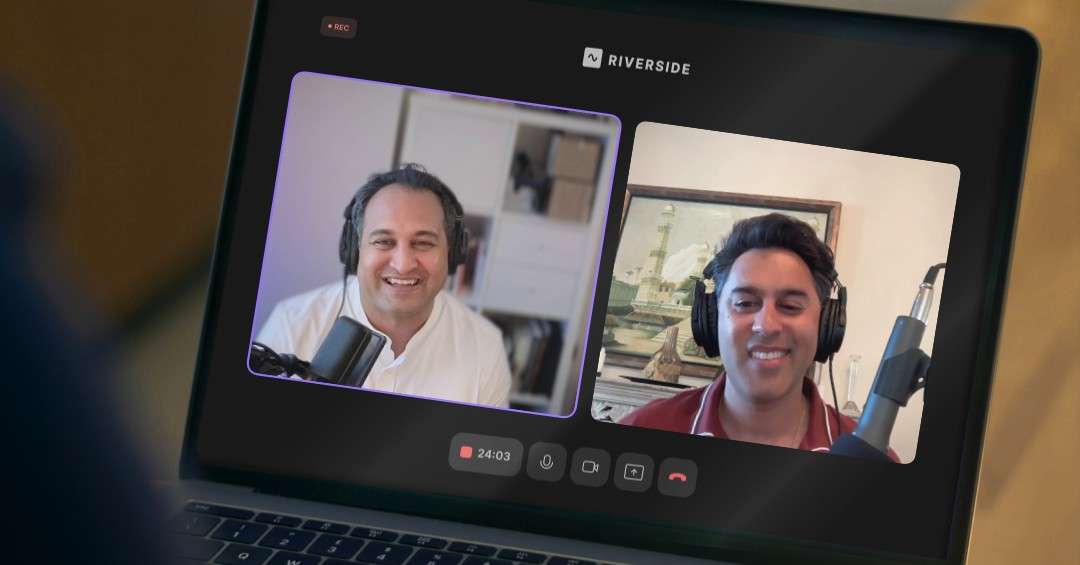
Two podcast hosts smile during a recorded Riverside video session shown on a laptop screen, representing the Letters of Intent episode on FIFA, brand equity, and creative compliance.
When FIFA taped over stadium logos, Gillette, Levi’s, and Heinz fought back with creativity, not lawsuits. This episode breaks down the brand and IP lessons.

FIFA’s Power Play: Covering Up the Logos

Here is what caught everyone’s attention. When the World Cup came to town, FIFA required host stadiums to hide their existing corporate branding.

Pankaj noticed it firsthand. Heading to a match, he realized SoFi Stadium was no longer SoFi Stadium. During the tournament, it became “Los Angeles Stadium.” FIFA had even scrubbed the branding from Google Maps. The same thing happened elsewhere. Levi’s Stadium became Santa Clara Stadium, and Gillette Stadium became Seattle Stadium.

Why would stadiums agree to erase branding they sold for millions? The answer is leverage. FIFA is an economic juggernaut. In the 2022 World Cup, it earned $7.5 billion from broadcasting rights, ticket sales, and sponsorships.

That kind of money changes the equation. Cities actively court FIFA because the tournament creates enormous economic stimulus and tourism revenue. As Pankaj noted, that stimulus dwarfs whatever a stadium earns from its naming rights deal.

There is a legal wrinkle too. In Toronto, the public learned FIFA paid little or no rental for the stadiums. Most host agreements likely follow that pattern. The economic upside is simply too big for cities to say no. This is what raw market leverage looks like, and it is a lesson in who really holds power in a negotiation.

The Brands That Got Taped Over

The stadiums made their deal with FIFA. But that left the original sponsors in a tough spot. These brands paid a fortune for naming rights, and now their logos were covered.

As corporate attorneys, Pankaj and Sahil saw the contract question right away. A brand like Levi’s does not simply walk away and hide its logo for free. Somebody has to make it whole. That compensation likely comes from FIFA, from the stadium, or from terms baked into the original naming rights contract.

In fact, many of these contracts probably included a clause all along. Stadiums often reserve the right to remove branding for major events. Otherwise, no brand would agree to spend that kind of money. So the cover-up was likely legal, and litigation would have been pointless.

That is a crucial insight. The brands could not stop the World Cup, could not out-muscle FIFA, and could not win in court. Fighting would have burned money and goodwill for nothing.

Think of it like a tenant whose lease allows the landlord to repaint the building for a special event. You might not love it, but you agreed to it. Your energy is better spent on a creative response than a losing legal battle. That is exactly what these brands figured out.

Making Lemonade: The Creative Comeback

This is where the story gets fun. The taped-over brands did not sulk. They turned the constraint into a viral marketing moment.

Gillette led the way. The brand covered its stadium logo with shaving cream. It was funny, clever, and instantly recognizable. When you see shaving cream, you think Gillette. The cover-up became an ad.

Levi’s got in on the action too. The brand turned its covered logo into the profile image of its Instagram account. It also jumped into the online conversation with well-timed comments. Levi’s stayed culturally relevant without paying a cent in official sponsorship.

Then came Heinz, with maybe the smartest move of all. Heinz leaned into the black tape covering its name and released a limited product branded as the “unofficial stadium ketchup,” complete with the tape design. A restriction became a product launch.

Sahil summed up the genius of it. To take reduced visibility and turn it into increased visibility is the essence of entrepreneurship. These brands made lemonade out of lemons.

The irony is delicious. FIFA covered these logos to protect its paying sponsors. But the cover-ups became so noteworthy that the hidden brands got more attention than they would have otherwise. As Sahil pointed out, most people cannot name the official FIFA sponsors, yet everyone remembers Gillette, Levi’s, and Heinz. The strategy backfired on FIFA and rewarded the creative players.

The Digital Ecosystem Changes Everything

Why did this creative approach work so well? Because we live in a different age. Before social media, a covered logo simply disappeared. There was no silver lining to find.

Sahil made a sharp point here. Brand building no longer lives only in the physical world. Your name on a stadium still matters, but it is no longer the most important channel. Today, brands collect millions of views on TikTok, Instagram, Reddit, and beyond.

That changes the entire calculation. The real audience for the Gillette stunt was not the fans walking into the stadium. The real audience was online, watching, commenting, and sharing. A single clever photo can get picked up by the algorithm and spread like wildfire.

Consider where the Levi’s story actually played out. The covered logo became relevant as an Instagram profile image, not as a physical sign. The conversation between these brands happened online, not in the stands.

This is a mindset shift every business should absorb. Smart creatives now treat the world as raw material for digital content. For businesses, the takeaway is clear. Your digital identity is now one of your most valuable assets, and moments like these are where brand equity gets built.

The Real Lesson: Lock Down Your IP and Build Brand Equity

So what should founders take from all this? The first lesson is about intellectual property.

Sahil put it plainly. Lock down your IP rights, because that is what can go viral. Your trademarks and copyrights are what breathe oxygen into your brand. When a moment like this hits, strong IP is what lets you capitalize on it.

Pankaj, a trademark lawyer, was struck by the sheer strength of these brands. Shaving cream makes you think Gillette. The batwing stitch makes you think Levi’s. That kind of instant association is incredibly valuable, and it does not happen by accident. Levi’s and Gillette invested millions over decades to build it.

So ask yourself a few questions as you build your brand. What makes it distinctive? What makes it memorable? Is it clearly associated with your product or service? Distinctiveness is what allows a brand to stay recognizable even when its logo is hidden.

There is a second lesson about brand equity. Sahil called these “tent pole” moments, the kind of cannonball events that build lasting value. That value is real. It is what an investor will eventually want to buy, or what you can license down the road.

Here is the encouraging part for smaller businesses. You do not need FIFA money to play this game. If you are priced out of a big event like a World Cup or a Coachella, get creative. Find an unconventional way to make your presence known and generate buzz.

Working With a “Yes, And” Lawyer

The final lesson is about how you work with your attorneys. It might be the most important one for founders.

Pankaj framed it with a classic saying. When all you have is a hammer, everything looks like a nail. The law can be a hammer. Lawyers can file lawsuits, pursue regulatory action, and come down hard on problems. But that is not always the right answer.

As Sahil said, not all legal problems require a legal solution. FIFA almost certainly had the contractual right to cover those logos. There was no legal fix. But there was a brilliant creative fix, and that made all the difference.

This is where the right kind of lawyer matters. Sahil borrowed a phrase from his brother, the content creator Colin and Samir: constraints create creativity. A good attorney does not just say no. A good attorney explains the guardrails, then helps you color creatively within them.

Often, business owners assume the legal lines are thicker and more restrictive than they really are. When a lawyer explains the actual rules of the game, you gain the confidence to get creative without fear of stepping over the line.

Pankaj calls this being a “yes, and” lawyer. Not “no.” Not just “yes, but.” Instead: yes, your contract says this, and here is how we can think outside the box. At Carbon Law Group, that is exactly the approach we take.

You need both halves to succeed. You need the business mindset to spot the creative opportunity, and the legal understanding to manage risk so you do not step into something that could tank your business. That combination is what turns a legal limit into a viral win.

If you want a legal partner who helps you find creative solutions, not just roadblocks, contact Carbon Law Group today at carbonlg.com. Until next time, keep on shooting your shot.

🔗 Learn More
Website: carbonlg.com

The Battle of the Brands: FIFA vs. Everyone

Pankaj (00:03)
Hello and welcome back to Letters of Intent. I am your co host, Pankaj Raval, the founder of Carbon Law Group, and today I’m joined by my trusted co host, Sahil Chaudry. Sahil, how are you today?

Sahil (00:12)
I’m doing great and we are all in on FIFA fever right now. ⁓

Pankaj (00:16)
We got we got it. We

got it. I got it I got a fever and it is for FIFA. And unfortunately, the temperatures are rising around here because there’s a lot of controversy going on with FIFA Sahil. And I think we’re gonna get into it today.

Sahil (00:19)
Yeah.

That’s right.

Yeah, we’re definitely gonna get into I had a lot of fun. So over the weekend, I went to a bar in Venice to watch Mexico, England, and I’ve never seen this kind of excitement for soccer. I feel like it was really fun. and

It brings a lot of excitement, community. People were having a great time. People showed up in their jerseys. it was a great match. England eventually won, but Mexico was really close. it was really exciting. I’m having a lot of fun also exploring the business side of this. Pankaj, I don’t know. Did you see the way these brands are covering up their logos at these?

Pankaj (01:01)
I did actually

I mentioned I won the lottery, right? I got tickets to all the matches here in LA. I have a buddy who actually he won the lottery. He didn’t want to take it. I said, All right, I’ll take the tickets. So I got seven tickets. It was a ⁓ cost of a small car to actually get these I was like, I’ll invest, I’ll probably resell them, make some money. and they definitely have been going for,

a decent return but not unfortunately what I expected but one thing I realized is just the money making machine that FIFA is. I went to the Bosnia Hersko Givina and Switzerland game amazing game and like you’re saying like being there being that atmosphere ⁓ was incredible and one thing I noticed was as I was going to the stadium I was like yeah I’ve never been to SoFi before and then it hit me that I like shit it’s not so fix it’s Los Angeles Stadium they even changed it on Google Maps

They took off the branding and I was like, what the heck is going on? And then that’s when this whole, world of like FIFA branding kind of I realized it for the first time. I’m like, my God, FIFA is so dominant and so strong that it’s been able to strong arm all these host cities to say, Hey, I know you guys got deals on your stadiums, but whatever you guys are paid doesn’t matter because we got more power than you. And if you want us to come to your city and create this economic stimulus, you better

branding on your stadiums and all the host cities have done it. So, no longer is it SoFi but it’s Los Angeles Stadium while FIFA’s going on. have in San Francisco it’s or San Santa Clara, it’s no longer, Levi Stadium, it’s Santa Clara Stadium. ⁓ we have, in Seattle, Gillette Stadium is now just I think believe Seattle Stadium. So it’s

Pretty amazing the strength that FIFA’s been able to Sahil.

Sahil (02:37)
Yeah,

I mean, so last year, not last year, last World Cup in twenty twenty two, FIFA earned seven point five billion dollars in revenue from broadcasting rights, ticket sales, and sponsorships. So this is huge economic stimulus, and you’re right, cities are courting FIFA to bring those games to their cities. ⁓ and so you can see the concessions that stadiums are willing to make and being

corporate attorneys, we would imagine, let’s say Levi’s has paid a significant amount of money to be the sponsor of the stadium. But that means they’re gonna have to be compensated in some way for having to hide their logo. ⁓ and that money is either gonna come from FIFA, it’s gonna come from the stadium itself, or if that was already baked into the contract that there were certain kinds of conditions where

their logo could be removed. That’s also a potential possibility. But my guess is that ⁓ a a brand paying that kind of money is not gonna walk away and hide their logo without being compensated in some way.

Pankaj (03:44)
Well, it’s interesting, what I’m seeing here is actually in Toronto, ⁓ the Canadians actually required that the contract with FIFA be disclosed. So what we see in Toronto is that ⁓ and this is I’m sure this is probably the agreement for most of the FIFA stadiums, is that like,

FIFA did not pay the stadiums for rentals. there’d been some situations where FIFA maybe pay a one-third of the rental fee. But FIFA’s so dominant and so strong that people realize that the economic stimulus that FIFA brings is much more valuable than, what they’re gonna generate from the stadium revenue. So they’re gonna cut FIFA a deal ⁓ because it because it’s so powerful. And it’s kind of like what we see with Olympics too, with these

events would draw crowds from around the world. It creates millions and millions of dollars for the city in revenue and tourism. So I can understand there’s real power and value there, but the potential losers are these brands. But what we’re seeing, Sahil, is that, in these contracts, a lot of these brands have said, Okay, yeah, there may be some ⁓ there’s some agreement ⁓ between the brands, the title sponsors and the stadiums that

Give the stadium the right to take off branding or it makes them remove branding for certain events. ⁓ and it looks like that’s the case because otherwise I don’t see these big brands agreeing to something like that. we see some creative responses to that. And one of them is this video which I want to show, which is hilarious, how Levi’s is very creative and how they handle this. take a look. Okay.

Sahil (05:21)
That is so smart.

Pankaj (05:23)
What do think? What do you

Sahil (05:24)
So smart.

That’s so smart. I want every carbon client to watch this video as a case study for how to turn a negative into a positive. To take reduced visibility and turn that into increased visibility is brilliant. And I think that is what entrepreneurship business is all about. I’m very impressed.

Pankaj (05:33)
Yeah.

Yeah. So Sahil, take a look at what Gillette did here. this is brilliant too. I mean these brands, really managed to make lemonade out of lemons here when they had these naming rights at the stadiums, they negotiated, they won, and here we are, we have FIFA coming in and saying, No, screw you, we’re gonna tape over all your logos because we want control for our brand sponsors, and that makes our brand sponsors pay us even more money so there’s no conflict. So here we are.

having what Gillette did is ingenious. They covered the brand with shaving cream, How funny is that? How funny is that? ⁓ yeah.

Sahil (06:08)
Yeah, this is

This is brilliant. I mean, how could you

not think of Gillette when you when you see that?

Pankaj (06:17)
Right. Right. And look at Levi’s, they got us too. Levi’s commented.

Sahil (06:24)
Wow.

what a way to keep yourself in the cultural conversation now without being a paid sponsor, they are a paid sponsor. I mean they are a sponsor. or they are they are culturally relevant. They’re culturally part of the conversation. and they’re getting the benefits of visibility and conversation without having to pay for it. That’s incredible. Really smart.

Pankaj (06:44)
Yeah. So Sahil, I think

you kind of touched on it earlier, so what does this mean for business, for deal making? we’re seeing FIFA exert in incredible power over brands, over cities, because of what it brings. But what does this mean in terms of how brands should think about their logo and even their naming rights.

Sahil (07:03)
Yeah, I think we’re living in a different age. We’re living in the age of social media. You know, pre-social media, ⁓ this wouldn’t be possible. Your name comes down, it just comes down. it’s more difficult to find the silver lining. But today,

your digital identity is very valuable here. that’s what I see is that as you’re thinking about your trademark, as you’re thinking about your copyrights, it’s far more important to have those rights locked down today than ever before because that’s what you’re going to use to market yourself. That’s what you’re gonna use to build trust with the public. I mean, that’s incredible that people are gonna see this conversation on social media, and that will give

So much visibility to these brands. So I think the major lesson for our clients is going to be lock down your IP rights because that is what is capable of going viral. That’s what’s capable of breathing oxygen into your brand and building your brand equity. And brand equity is built on moments like this. These are those cannonball type events where these are these tent pole.

Brand equity building events that are building value that eventually an investor will want or that eventually you’ll be able to license.

Pankaj (08:10)
Yeah, absolutely. Absolutely. And I think from a trademark perspective, as a trademark lawyer, ⁓ Sahil, I look at this and say, okay, look at the look at the strength of these trademarks. that’s pretty impressive that when you see shaving cream, you think Gillette, right? When you think when you see the Batwing logo of Levi’s, you think Levi’s

That is really impressive and I think really important for businesses to recognize as they build their brands. creating something distinctive, creating something that is unique, being associated with the product category is super valuable in this day and age. And while it takes a lot of money, and Levi’s and Gillette’s both invested millions and millions of dollars in their marketing, they’ve created very strong brands.

So, when you’re building your brand, what are you doing to make it distinctive, to make it unique, to make it memorable, and make it associated with the services or goods you’re selling? because look at what Gillette was able to do covering it with shaving cream, it created this connection that that strengthened its brand. So, being creative and instead of maybe using litigation,

have solved this problem. They thought creatively out of the box and were able to come up with a better solution than fighting this in court because that would have not gone them anywhere. And, realistically they wouldn’t be able stop the World Cup was gonna happen and FIFA is generally gonna, exert its will, and otherwise they would take their business somewhere else. So it’s important to recognize that.

Sahil (09:28)
Yeah,

I also think it’s important to know where the brand building ecosystems live. So previously brand building ecosystems lived exclusively in the physical world. And so your name on top of a stadium was very important. And today it’s important, but it’s not the only brand building mechanism, and arguably it’s not the most important. I mean, today you have brands collecting millions of views on TikTok.

Pankaj (09:34)
Yeah.

Sahil (09:55)
From someone just positioning a camera, recording something in front of their phone. We have TikTok, we have Reddit, we have Instagram, we have Facebook. I think that brands are really evolving in creative and intelligent ways and are understanding that their audience does not only live in the physical world, their audience lives in places like TikTok. And getting this level of virality is

important and it also is what’s going to build your brand. The public is going to remember this. I mean, how could you forget that Gillette, covered up its logo with shaving cream or Levi’s has turned the cover up into the logo of their Instagram. Now the other thing I find interesting is I think the creatives at these companies know that their audience is not really the attendees of that event.

Their audience is online. Their audience is Instagram or TikTok. I think that’s such an interesting recognition that Levi’s, where did they change that logo? Where is that relevant? That photo is now relevant as the logo of their Instagram account. For their Instagram account. where’s this conversation gonna happen between Gillette and Levi’s? That’s gonna happen on Instagram. So I would say.

Pankaj (10:55)
Mm-hmm. Yeah.

Sahil (11:02)
The creatives now also, and if you’re a brand builder, you have your trademarks, IP, you’re aiming your photo shoot, your photo, your videos, and even these events. I mean, the fact that you’re covering this, you’re doing something sensational. I think the Gillette one is a perfect example. They’re doing that, and they’ll get some return on that from the people walking in.

But not nearly as much as they’re gonna get on something like TikTok where people can converse, they can comment, and the algorithm is gonna pick this up and light it on fire. So I think the fact that creatives are now looking at the world as raw material for TikTok content.

Pankaj (11:28)
Yeah.

Yeah, it’s true. That’s a great point. That’s a great point. Yeah. I mean you’re right. Everything is being looked at from the lens of, how is this going to play out on social media for brands? how is this going to look on social media? And Levi’s Gillette definitely capitalized on that because they were able to leverage something that could have been just a, simple like, hey, we gotta do this. This is was the requirement. We’re just covering up.

Sahil (11:46)
Yeah.

Pankaj (11:58)
And they used it for their own benefit to strengthen their brand and to generate conversation about this and also, create some controversy around FIFA and what they’re doing and how they’re kind of exerting their power over brands and maybe stepping on their rights because they’re so powerful.

Sahil (12:14)
So is the world now just raw material for your social media account?

Pankaj (12:18)
Is the world I think so. We live in this world where it seems like you could you could definitely say that. I think it’s not necessarily a great thing to say. I don’t think I’m very I don’t think I’m very excited to say that because that it’s kind of I think it’s a little bit sad too that, now we see the world in the context of okay, what would play out on social media.

But I think that’s how a lot of brands and companies are seeing it. That’s how a lot of influencers are seeing it. Like, how does this all play out in social media? Which I think really, dampens our interaction with the world in some ways when it’s all kind of transactional in the sense of like how does this work out for social media and views? but unfortunately that’s kind of the world we live in. And, you could make the argument that that was also the case with, the news media and all that. But now the thing is like everyone is

Sahil (12:58)
Yeah,

everyone is entertained.

Pankaj (12:58)
Everyone is a content maker.

Everyone is producing content. Everyone’s producing news. so we live in a very heightened sensitive world where where you know everything could be a a viral piece if if you you depending on how you spin it.

Sahil (13:11)
Yeah, I mean even I just want to pull this up because this is even the fact that it these logos are being covered up is giving these brands press. So for example, if we see this Heinz ketchup, ⁓ so it’s black out, but it’s kind of backfiring on FIFA because a it’s such a noteworthy cover up that

Pankaj (13:25)
they blacked out. That’s hilarious. Yeah. Yeah.

Yeah.

Sahil (13:37)
People will talk about it and now you take a photo and throw that on Twitter and now this is you’ve now turned your attempt at covering up Heinz Ketchup into a Heinz Ketchup ad. Right?

Pankaj (13:47)
Yeah, yeah,

Yeah. That is hilarious. That is hilarious. It’s kind of ridiculous, and you realize that sometimes capitalism deserves to be laughed at, you know. Sometimes, this is I think a nice check the balance of power, right? This is a nice check on power because now you’re saying, Okay, come on, you’re being a little bit ridiculous. You can’t even have

ketchup bottles in the air that have logos because of your brand deals. Like come on. and I think it serves FIFA right to be ridiculed for something like this because, you have to. I think you have to draw the line somewhere and realize that, consumers are smarter than this and they’re gonna see through the kind of the facade that they’re putting up.

Sahil (14:23)
But that’s

true, but let’s say as attorneys it kind of depends on which side we’re on, right? Like I’m thinking if we were FIFA’s attorneys and we had an exclusive deal with our sponsors, our sponsors would also expect that we would protect, their visibility and rights. But

Pankaj (14:28)
Yeah, yeah, that’s true.

Yeah. Yeah.

Sahil (14:42)
But on the flip side, the opposite is actually happening. Like I don’t even know if I know who are the real FIFA sponsors, but I know Gillette, Heinz, and Levi’s. I know they’re not.

Pankaj (14:46)
Right.

they were yeah, yeah.

Yeah. Yeah. and yeah, you’re right. and I think it’s interesting. I remember watching the games that Kalchi and like all these like, betting companies are putting a lot of money into and that’s a little bit, dubious in my thought, my minds it’s kinda like reminds me of the crypto boom, from five years ago or ten years ago.

Sahil (15:08)
Yeah.

Pankaj (15:10)
I think clearly FIFA’s just taking as much money, taking whatever sponsor is gonna pay them the most and running with it, which is, whatever. There’s a lot of controversy around FIFA right now, especially regarding, it’s officiating. So I don’t know if we need to go that far into it, but there’s a lot of issues I think when they have when they’re exerting this much power, how they’ve made decisions, you know, based on influence from from politicians, that shall that shall not be named.

This is just one element that, showing that, the power of FIFA, the power of this organization around the around the the world, you know, globally. We talk about how the NFL is so powerful here, but you think about an organization more powerful than the NFL, and look look at FIFA, and and this just you know, is it another ex is just one example of how it’s been able to flex its muscle, but also great story of how

Sahil (15:41)
Yeah, this is low.

Pankaj (15:51)
brands can respond in a creative way that actually helps build their brand. And I think, smaller brands should think about this. if you’re priced out of certain events, what are creative ways you can still make it in there, right? What are creative ways you can still make your name presence known? at Coachellas or other events where, maybe you can’t pay to be a official sponsor, but maybe there’s a way you can get in as a sponsor some other way or create some, create some buzz around you because you weren’t able to get in.

Sahil (16:16)
Right. And this is speaking of creative ways, so this is what then Heinz released this image. Which is so good. The unofficial stadium catch up is here. And I believe they released limited product with the tape. So it’s so smart.

Pankaj (16:23)
Yeah. Yeah. Yeah. Yeah.

Yeah, that’s hilarious.

Yeah, so smart. Yeah. So Sahil, this is a podcast about deal makers and risk takers, right? And in this podcast, we’re focusing on the risk takers, right? We’re focusing on the brands that, sure they’re known for being deal makers, right? These are multi-billion dollar companies, publicly traded companies, but here they are, also recognizing that let’s figure out how to navigate.

risks, how to deal with the risks out there. And that’s the thing. Like, as lawyers, I think it’s oftentimes I think about the fact that, there’s a saying it’s like when all you have is a hammer, everything you see is a nail. And not every every problem deserves, or warrants a hammer, right? And I think that’s like the law is oftentimes can be a hammer, right? We can we could come down on people with lawsuits

Sahil (17:02)
Right.

Pankaj (17:11)
a lot of things we can do, regulate regulatory action, whatever it might be, but that’s not always the answer. And in this situation, we see brands, navigating risk and thinking creatively to improve their brands, improve their market value in a situation that is less than optimal.

Sahil (17:25)
Yeah, I think you’re right. not all legal problems require a legal solution. I mean, in this case, certainly there are contract terms that are giving FIFA the right to take down these names on these stadiums. But now that might not have a legal solution, but it does have a creative solution. And I think this is a good example also of how to work with your attorneys.

My brother Samir, who has a channel called Colin and Samir and is a well-known content creator and YouTuber, he has a saying where he says that constraints create creativity.

I’m paraphrasing there, but basically the idea is that when you have a constraint, it forces you to be creative and come up with something unconventional and interesting. And I think that’s what we’re seeing here. So I think when you’re working with your attorneys, we’re able to give you guardrails. We’re able to tell you, hey, these are the lines, but you can color within the lines. And sometimes we think when we

When we aren’t aware of the law that the lines are actually thicker and more restrictive than they actually are, but sometimes by your attorney explaining the rules of the game to you, you can actually get more creative and do more because you’re not afraid of stepping over the line.

Pankaj (18:29)
Absolutely. Absolutely. That’s a great point, Sahil. And I think it also reminds me of the quote, necessity is the mother of innovation, right? And I think it’s like they’re along the same lines. But I like that, working with constraints is actually very valuable because then it kind of gives you a confine from which to work. And I think, good lawyers will not say yes or no.

But sometimes they will say, okay, well, yes, yes and, or yes, yes, but ideally you want to ask yes and lawyer. And I think that’s what we’ve done at Carbon Law Group. We are yes and lawyers. because we say, yes, sure, there’s maybe challenges here. Yes, your contract says this. And how about thinking about this? How about thinking about things outside the box? And I think you and I, Sahil, come from entrepreneurial backgrounds, right? We’re both entrepreneurs at heart, and I think that’s why we think about it that way. It’s not that we’re gonna regurgitate to our clients.

the code and say this is all you got, but say, okay, how do we help you think through this now? Okay, this is what the law says. Let’s think through it creatively. What are some options? What could you do? What can’t you do? What creates more risk for you? What creates less? And let’s find those solutions because that’s what business is about. And I think you’ve got to have, you’ve got to have both. You’ve got to have the business mindset, but also the legal understanding to minimize risks so you don’t step into something that could also tank your business.

Sahil (19:37)
Absolutely. Well, Pankaj, I know I’m gonna stay tuned to FIFA and see where this all takes us. whether you’re interested from a business perspective or you just love soccer, I think it’s gonna be a lot of fun to see where this takes

Pankaj (19:49)
Absolutely. Yes, Sahil and be interesting to see you know what happens with this controversy around officiating and after this World Cup and the red cards. So tuned, a lot of fun, but you it’s been great soccer, been amazing games, and we hope you guys are all enjoying. This is Letters of Intent. We are the podcast for deal makers and risk takers. We thank you all for listening, spending time with us. like, comment, share for more. And if you ever have any questions, please reach out to us.

We’re pretty easy to get a hold Google us or out through our website, carbonlg.com. Until next time, keep on shooting your shot.

Get in touch with us

Lead Form Main

The main Lead Form

This field is for validation purposes and should be left unchanged.
Name(Required)

Download Our Free Guide

We respect your privacy. No spam, ever.(Required)