
Anatomy of a Bad LOI: 8 Crucial Deal Terms You Must Check

Home / Podcast / Anatomy of a Bad LOI: 8 Crucial Deal Terms You Must Check

Anatomy of a Bad LOI: 8 Crucial Deal Terms You Must Check

Anatomy of a Bad LOI: 8 Crucial Deal Terms You Must Check

There is a reason this podcast is called Letters of Intent. These documents establish the groundwork for nearly every transaction, whether you are licensing technology, selling assets, transferring stock, or entering an employment relationship. A good LOI gets everyone on the same page early. A bad one can quietly wreck your deal.

As Pankaj put it in Episode 69, an LOI can make or break a deal. And it is remarkable how often clients sign these documents before their lawyers ever see them. So in this episode, Pankaj Raval and Sahil Chaudry walked through a real, deeply flawed LOI and showed exactly what goes wrong. Here is the protocol they use and what founders should learn from it.
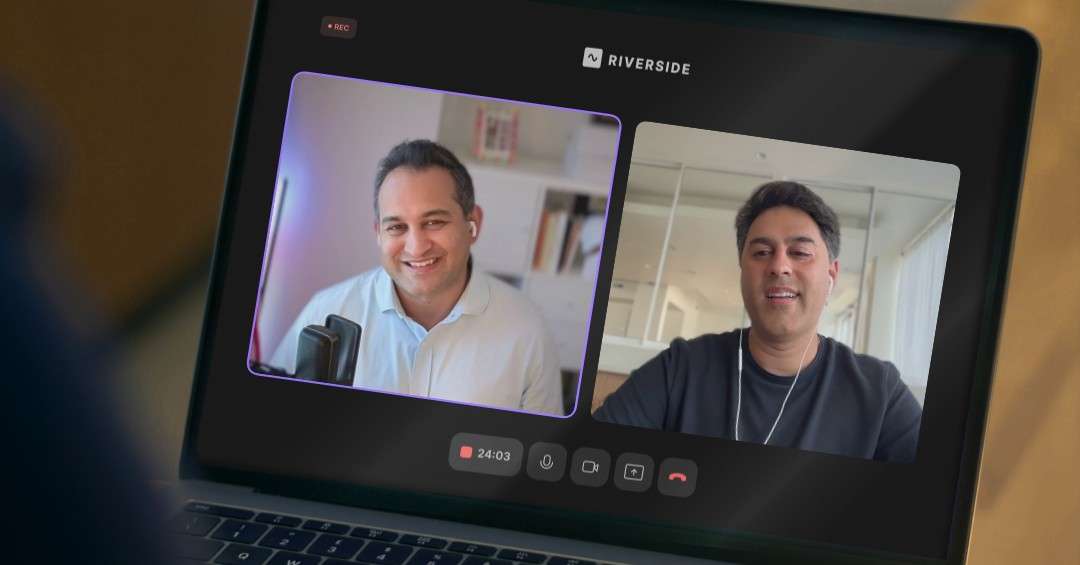
Two podcast hosts smile during a recorded Riverside video session shown on a laptop screen, representing the Letters of Intent episode breaking down eight crucial deal terms in a flawed LOI.
A letter of intent can make or break your deal. This episode walks through a real, badly drafted LOI and the eight terms every founder should check first.

The Eight-Point LOI Protocol

Before diving deep into any letter of intent, the deal attorneys at Carbon Law Group run through eight sections. This checklist catches most of the serious problems fast.

Here is what they look for:

  1. The purchase price. What is the total consideration for the deal?
  2. Cash at closing. How much actual cash changes hands, and when?
  3. What is being sold, and who are the buyer and seller. This sounds obvious. It often is not.
  4. Post-closing obligations. What each party must do after the deal closes.
  5. The diligence period. How long the buyer has to inspect what they are buying.
  6. The exclusivity period. Whether the parties can shop the deal elsewhere.
  7. Confidentiality. Protection for the sensitive information you reveal during negotiations.
  8. Binding or non-binding. Which terms actually create legal obligations.

Think of this list as a pre-flight check. A pilot does not eyeball the plane and take off. They run the same sequence every single time, because the cost of missing something is enormous.

The same logic applies to your deals. When you review an LOI against a consistent checklist, gaps become obvious. When you skim it because you are excited about the opportunity, those gaps stay hidden until they cost you money.

In the episode, the hosts ran this protocol live on an actual LOI. What they found was instructive, and not in a good way.

Red Flag One: Merging the LOI With the Formal Agreement

The first problem appeared at the very top of the document. It described itself as both a formal agreement and a letter of intent.

That combination is a serious red flag. As Pankaj explained, you generally have one or the other. A letter of intent is a letter showing the parties’ intention to do a deal together. It lays out the base terms, identifies what is binding and what is not, and then leads to a formal agreement.

Trying to do both at once creates real risk. You end up with a document that is neither a clean statement of intent nor a properly drafted contract. If a dispute arises later, that ambiguity becomes expensive.

Pankaj’s guidance was direct. If you are going to do a full agreement, do a full proper agreement. If you are not, make sure your LOI is genuinely clear about what is binding and what is not.

Here is why the two-step process matters so much. An LOI is cheap and fast. A formal purchase and sale agreement takes serious time, money, and investment. The whole point of the LOI is to get clear on the material terms before you spend that money.

Think of it like an architectural sketch before blueprints. You want to agree on the shape of the house before anyone engineers the foundation. Skip the sketch, and you may discover the disagreement after the concrete has already been poured.

Red Flag Two: An Unclear Purchase Price

Next, the hosts searched for the purchase price. They found one, but it raised more questions than it answered.

The document stated that the purchase price of the exclusivity agreement was $250,000, plus $50,000 for exclusive rights in Venezuela. That price supposedly included one million shares of common stock in the seller’s company. Payment was structured as $100,000 within 30 days of signing the LOI, then $150,000 ninety days after that, or $200,000 with the Venezuela territory.

Read that again, and the confusion becomes clear. How do a million shares of stock factor into a $250,000 price? Are the shares part of what the buyer receives for the money? Or do the shares somehow count toward satisfying the $250,000, reducing the cash owed?

Both readings are plausible from the language. That ambiguity is a drafting failure the parties needed to reconcile before signing anything.

There is a second problem hiding in the payment schedule. The first $100,000 comes due just 30 days after the LOI is executed. But at that point, there is no formal purchase agreement in place. The services and license terms have not been fleshed out at all.

So real money changes hands before anyone has defined what the buyer actually receives. As Sahil noted, that leaves enormous room for disagreement.

The lesson for founders is simple. Your price term must state the total consideration, the form of that consideration, and the timing with precision. If two smart lawyers can read your price clause two different ways, it is not finished.

Red Flag Three: No Clear Cash or Closing

When the hosts searched the document for the word “cash,” they found nothing. Searching for “closing” produced the same result.

That absence deserves context. Closing language appears most often in asset purchases, stock purchases, and real estate transactions. This particular deal was a licensing and exclusivity arrangement, so a traditional closing section was less expected.

Still, the question matters in every deal. You need to know what closing means in your specific context and how it works. When does the transaction actually become effective? What has to happen first?

In this document, the payment milestones function as informal closing conditions. The buyer pays $100,000 within 30 days, then $150,000 ninety days later. If those payments do not happen, the deal does not move forward.

Sahil made an important clarification here. When a deal does not move forward because a party failed to perform, that is not a neutral outcome. It means there has been a breach of contract.

So even in a non-standard deal, map out the cash. How much, in what form, on what date, and tied to what condition? Then decide what happens if a party misses a milestone. This is exactly the kind of question we walk clients through, because a deal that feels straightforward in conversation often reveals a dozen unanswered questions once you put it on paper.

Red Flag Four: Who Is Actually the Buyer?

This is where the LOI truly fell apart, and it is worth spending time on, because the confusion is so instructive.

The document said the seller would grant the other party exclusive rights to fully develop, market, and sell its medical records product. Reading that, you would assume the party receiving exclusivity is the buyer, paying for the privilege.

But the purchase price clause muddied everything. Then the compensation section muddied it further. Under that section, the party receiving exclusive rights would also get $3,000 payable ten days after signing, plus $1,000 monthly for nine consecutive months as an advance against commission. They would earn a 20 percent commission on direct retail sales, pay a $5 fee on renewals, and purchase product at $2.50 per unit. On top of that, they had to hit a production quota of $250,000 per year starting in the second full year.

So which is it? Is this party buying exclusive rights, or are they a sales representative being paid to develop a market?

Pankaj and Sahil went back and forth on this live, and the fact that two experienced deal attorneys could not resolve it from the document is the entire point. Sahil compared it to a showroom arrangement in fashion, where a sales rep receives exclusivity as an incentive rather than paying for it. That reading is reasonable. So is the opposite reading.

As Sahil concluded, this was drafted very poorly. You could piece the intent together, but the fact that it was not clear on its face means it needed rewriting.

Your deal documents must state plainly who is getting what, and in exchange for what. Money flow and roles cannot be a puzzle.

Red Flag Five: Vague Performance Obligations

The phrase “fully develop” appeared in the grant of rights. It looks harmless. It is actually a litigation risk.

What does “fully develop” mean in the context of this deal? Reasonable people will answer differently. One party might consider a modest marketing push sufficient. The other might expect a national campaign.

That gap matters because performance obligations define breach. If the requirements are not clear, neither party knows when the other has failed. As Pankaj noted, ambiguity in performance language creates real exposure to litigation, because the dispute becomes an argument about what the parties meant.

The fix is precision. Performance requirements and post-closing obligations must be exact and measurable. Instead of “fully develop,” specify the activities, the timelines, and the benchmarks.

The hosts also drew a useful distinction. Some of what looked like closing conditions were really performance obligations or closing covenants. A condition precedent is something that must happen before closing. A performance obligation is something a party must do on an ongoing basis. Both belong in a deal, but they do different jobs.

For founders, the practical test is this. Read every obligation in your agreement and ask whether a neutral third party could determine, with evidence, whether you satisfied it. If not, rewrite it.

Red Flags Six, Seven, and Eight: Diligence, Exclusivity, and Confidentiality

The final protocol items revealed more gaps.

Diligence period. In an asset sale or stock purchase, you expect a diligence period, because the buyer needs to inspect what they are acquiring and effectively check title. In a pure exclusivity arrangement, that section is less likely to appear, and indeed it did not here. That absence was defensible given the deal type.

Exclusivity period. This one is different, and its absence was a genuine miss. An exclusivity period, sometimes called a no-shop provision, prevents either party from shopping the deal while they negotiate. Both sides invest real resources evaluating a transaction, and nobody wants the deal to collapse because someone else swooped in with a better offer. Since time always passes between the LOI and the formal agreement, most LOIs include this protection. This document had territorial exclusivity, but no deal exclusivity locking the transaction itself.

Confidentiality. Pankaj searched and found nothing. That is a meaningful problem. Even in a letter of intent, you reveal important aspects of your business that you do not want reaching the public. Confidentiality provisions are critical, and this LOI simply omitted them.

The document was also missing an array of standard general terms, including dispute resolution, severability, and jurisdiction. If you are using a document as a full agreement, as these parties were, those provisions are essential. Without a dispute resolution mechanism, you have no agreed path when things go wrong.

Binding or non-binding. Here is the detail that surprises many founders. Terms are binding by default unless the document expressly says otherwise. This LOI was binding. So if the parties later signed a follow-up agreement, they would need a clause plainly stating that it supersedes this letter.

Where AI Helps, and Where It Does Not

The episode also introduced something practical. Carbon Law Group built a downloadable file you can upload to Claude, ChatGPT, Gemini, or Perplexity to triage your own LOI against these eight points.

The hosts ran the flawed document through it live, and the output was genuinely useful. The tool flagged the purchase price ambiguity as high concern, catching the exact issue the hosts had identified about the million shares reading two different ways. It flagged the missing closing language and correctly identified the deal structure as an exclusive license and distribution arrangement rather than an asset or stock sale. The ambiguity in “fully develop” got caught too, along with the post-closing obligations, from production quotas to termination triggers to the layered compensation.

But Pankaj added an important caution. AI is a great tool if you know how to use it, yet it should not be the only thing you rely on. These models train on enormous amounts of data, and not all of that data is good. An expert still needs to review your LOI.

Here is the distinction that matters. The tool flags issues and raises questions, which is valuable triage. But redlining the document, revising the terms, and deciding where to push versus where to concede requires judgment. It also requires someone asking the questions you never thought to prompt. As Sahil joked, the tool gives you Pankaj and Sahil on your desktop with slightly less charisma. It is educational, not legal advice, and not a substitute for counsel.

What This Means for Your Next Deal

Whether your transaction is worth $250,000 or $250 million, the same principles apply. The LOI is where you get clear, and clarity is cheaper than litigation.

So run the protocol on any letter of intent that crosses your desk. Confirm the purchase price and how each component is valued. Check the cash, the timing, and the conditions. Identify who buys, who sells, and what changes hands. Make sure performance obligations are measurable. And verify the diligence, exclusivity, confidentiality, and binding-status terms.

Then keep the two stages separate. Hammer out the material terms in the letter of intent, then follow it with a properly drafted formal agreement. Merging them, as these parties did, invites exactly the confusion that fuels disputes.

Above all, do not sign before someone qualified reviews it. The most common problem Pankaj and Sahil see is not a badly negotiated LOI. It is an LOI that arrives on their desk already signed, with terms the client wishes they had never agreed to.

At Carbon Law Group, we review, redline, and negotiate letters of intent for founders and growing companies. We ask the hard questions, spot the ambiguities, and help you decide where to hold firm and where a concession makes sense.

If you have an LOI in front of you right now, do not sign it blind. Contact Carbon Law Group today at carbonlg.com to schedule a consultation. Until next time, happy deal making.

🔗 Learn More
Website: carbonlg.com

Anatomy of a Bad LOI: 8 Crucial Deal Terms You Must Check

Pankaj (00:16)
Ladies and gentlemen, welcome back to another exciting episode of Letters of Intent. I am your co host, Pankaj Raval, and I’m joined by my trusted colleague and co-host Sahil Chaudry. Sahil, how are you today?

Sahil (00:26)
I’m doing great. And today we’re gonna talk about my favorite topic, Letters of Intent.

Pankaj (00:31)
Yes, we’re talking about the namesake of this podcast. The reason we named it Letters of Intent is because these documents are so important in establishing the groundwork for any transaction, whether you’re gonna be licensing, asset sales, stock sale, whether you’re entering into an employment relationship, you want to set out the terms early on to make sure everyone’s on the same page. And that’s what this Letters of Intent can do. It can make or break a deal. It is critical, and it’s crazy how often we see these signed before they get to us. Sahil,

we’re gonna jump into it today. Tell us, when looking at a Letters of Intent, what are the main issues or areas that you’re looking at?

Sahil (01:03)
Well, so as deal attorneys at Carbon Law Group, we have a protocol here. We look at eight sections primarily before we dive even deeper into a Letter

of Intent. And those eight things are the purchase price, how much is cash at closing, what’s actually being sold, and who are the buyer and seller, what you’re agreeing to do after closing, the diligence period, the exclusivity period.

confidentiality and whether the Letters of Intent is binding or non-binding.

And Pankaj, I don’t have to tell you that we see many clients sign Letters of Intent that have terms that we wish they didn’t agree to. And so, I know we have a really exciting offering as well as we’re going through these

Eight sections, we also want to let you know that we have a special offering, a new product from Carbon Law Group that’s gonna help you evaluate these Letters of Intent.

Pankaj (01:56)
Yeah, and those lucky listeners out there, if you tuned in to today’s episode, you’re gonna get this free as a download. it’s gonna be in the show notes. So please look out for the link. It’s a really valuable MD file that you can use as a skill to actually upload to Claude or ChatGPT or Perplexity or whatever, or Gemini, and use that to actually triage your LOI. Does it have the terms that we’re discussing? Are they clear?

Are there issues? It flags all those issues and then it suggests questions to ask us as your lawyers once you return counsel. And just a word of caution for everyone who’s using AI to analyze these things, it’s always important to have an expert review these LOIs as well. I think AI is a great tool if you know how to use it, but also it shouldn’t be the only thing you rely on to ensure that you’re doing the right thing because it is trained on a lot of

data and not always the best data and we want to make sure everyone’s protected so that’s where we can come in and help ensure that we’re asking the right questions, thinking outside the box, asking it so maybe questions that you didn’t provide as prompts. So you’re covering all your bases, and we’re always here to help.

Sahil (02:57)
For everyone listening, you’re gonna basically have me and Pankaj on your desktop just with a little bit less charisma.

Pankaj (03:04)
Yes.

Sahil (03:04)
and in the meantime, we want to show you how we like to think about these Letters of Intent. So Pankaj, let’s do this lightning round style. I’m gonna

Pankaj (03:11)
All right, let’s do it.

Sahil (03:12)
list off the section that we’re looking for and let’s try to find that in this Letters of Intent and see if it’s well drafted.

Pankaj (03:20)
we’ll do a control F. You tell me where to go and I’ll go there and we’ll

Sahil (03:21)
Let’s control F it.

Pankaj (03:22)
control F it. Yes. Control F it.

Sahil (03:24)
Control F it. Okay, so number one,

what is the purchase price?

Pankaj (03:31)
Purchase. Let’s see. Where’s the purchase? All right. We see purchase price here. Purchase price. All right. Price we see. All right. Purchase price of the exclusivity agreement is $250,000 plus $50,000 for exclusive rights for Venezuela, which price includes 1,000,000 shares of common stock of Medstrong International Corporation, payable $100,000 in 30 days after the execution of Letters of Intent and $150,000 90 days thereafter, or $200,000 with Venezuela.

territory.

Sahil (03:58)
That takes us to question number two, which is what

Pankaj (04:01)
Okay.

Sahil (04:02)
we like to call in Hindi Rokri, which is cash. How much cash

Pankaj (04:04)
Okay. Okay. Gash.

Sahil (04:07)
is that closing?

Pankaj (04:09)
So cash does not show up. There’s no mention of cash here, but let’s say closing. No closing either in this one. Interesting.

So what do we make of that, Sahil?

Sahil (04:17)
So okay, we have a purchase price, but we don’t have a cash component. It looks like what we’ve got is stock

Pankaj (04:24)
it’s money though too, right? It says purchase agreement exclusivity agreement is two hundred and fifty thousand dollars plus fifty thousand dollars for exclusive rights in Venezuela.

Sahil (04:31)
That’s correct. Right.

Pankaj (04:32)
So but then there’s also

Sahil (04:33)
That price

and that price gets you it includes one million shares of common stock of Medstrong International Corporation.

Pankaj (04:40)
Right.

Sahil (04:41)
Okay, which is payable. And then we have thirty days after the execution, one hundred thousand dollars, thirty days after the execution of the Letters of Intent, and one hundred and fifty thousand dollars ninety days thereafter or two hundred thousand dollars with Venezuela territory. I’m seeing a red flag here, Pankaj, which is thirty days after the execution of this Letters of Intent, we don’t have a proper purchase agreement yet. And if this is an exclusivity agreement, that means there are services associated with this.

There’s some kind of license associated with this. None of those terms have been fleshed out. There’s a lot of

Pankaj (05:13)
Yeah.

Sahil (05:14)
room for disagreement here.

Pankaj (05:15)
Yeah, yeah, absolutely. And just so everyone knows, like this is also somewhat unique or non standard Letter of Intent because we were seeing at the top here that they’re also conflating a Letter of Intent with a formal agreement. It says this letter serves as a formal agreement and Letter of Intent. So what does that mean? Like, formal agreement and Letters of Intent. Generally you have one or the other, like you have a Letter of Intent that is a

letter that shows that you here’s the intention of the parties to do a deal together. Here are the base, here are the terms, here are some binding terms and here are non-binding terms. And then that goes to a formal agreement. So they’re trying to, do it all in once and there’s a lot of problems with that. There’s a lot of risks and it could create a lot of problems down the line if there’s a dispute. So this is something we’re gonna definitely flag and let you guys know to not do this because we see a lot of problems arising when you’re trying to combine these agreements.

if you’re gonna do a full agreement, do a full proper agreement. If you’re not, make sure the Letters of Intent is really clear and clarifies what is binding and non binding.

Sahil (06:09)
And then we’ve got question three. Who are the parties and what’s being sold?

Pankaj (06:15)
Yeah. So here’s the parties. Where are the parties? it’s a defined term, parties. And so they’re saying

Okay, so the parties are Medstrong International Corporation hereafter Medstrong and JVF International Solutions here and after JVF. so the purpose of this letter of intent is to summarize the agreement between the parties and we’ll have the effect of formal agreement. So these are the parties.

Sahil (06:34)
Okay, and who is the buyer and who’s the seller here?

Pankaj (06:38)
Yes, it’s a good question. so the buyers

Sahil (06:39)
It looks like it’s baked into the objective.

Pankaj (06:41)
Yes, yeah. So to grant JVF exclusive rights to fully develop market and sell Medstrong’s patient data quickly, PDQ medical record online programs and described main territory and non exclusive on the additional territory.

Sahil (06:56)
So a little ambiguous, but what it’s meant to say is Medstrong is granting to JVF the exclusive rights. So Medstrong

Pankaj (07:03)
Right. Exactly.

Sahil (07:05)
is paying JVF, and JVF has a job to do here

to fully develop market.

Pankaj (07:09)
Wait, is Medstrong

is Medstrong paying JVF? If JVF is getting the exclusive rights, isn’t JVF paying for the exclusive rights?

Sahil (07:17)
JVF is paying for the exclusive rights and Medstrong is granting the exclusive rights.

Pankaj (07:22)
Right, so Medstrong selling.

Sahil (07:24)
Medstrong is selling.

Pankaj (07:25)
And JVF is buying.

Sahil (07:26)
Yeah.

Pankaj (07:26)
Right?

Sahil (07:27)
JVF is buying, yes, that’s right, because JVF is getting the exclusive rights.

Pankaj (07:31)
Right. Right. So that’s important to note here and really be clear about, right? So you have an objective but it’s really important to spell it out who’s getting what and in exchange for what.

Sahil (07:39)
So Medstrong

is selling exclusive rights in exchange for that mix of cash and common stock that we discussed in exchange

Pankaj (07:48)
Yes, exactly.

Sahil (07:49)
for

Pankaj (07:50)
Yeah, so purchase price of the exclusivity agreement is two and fifty thousand dollars. So JVF is paying Medstrong two hundred and fifty thousand dollars plus fifty thousand dollars exclusive rights of Venezuela, which includes a million shares of common stock of Medstrong International Corporation.

Sahil (08:04)
So that means Medstrong,

is paying JVF because JVF is doing a job here. So Medstrong is offering money and stock for JVF to perform this job. And JVF gets as part of that function the exclusive rights to develop, market, and sell. So basically, what I’m seeing here is

Medstrong, it’s kind of like a sales, you know, we see this in fashion, like someone who’s a sales associate. So actually,

Pankaj (08:32)
Mm-hmm.

Sahil (08:33)
the company or the brand is going to pay the sales rep to develop a market for them. And the sales rep isn’t paying for the exclusivity, but they get exclusivity as part of the incentive to participate in this deal. And to avoid crossing and to avoid diluting the market that’s available to them.

Pankaj (08:50)
But it says purchase price of the exclusivity agreement is two hundred and fifty thousand dollars.

So who’s purchasing?

Sahil (08:55)
so who is purchasing? So that means in this case JVF is receiving money and common stock from Medstrong. So that means Medstrong must be purchasing.

Pankaj (09:06)
But

grant JVF exclusive rights to fully develop.

But does that make sense if JVF is getting exclusive rights, don’t they want to purchase the exclusivity right?

Sahil (09:13)
I think JVF is not having to purchase the exclusivity because it’s the same as like a showroom where they get exclusivity as the sales and marketing contractor, and their compensation for doing that job is going to be the cash and the stock.

Pankaj (09:29)
But then they’re also getting paid here under compensation.

Sahil (09:31)
Yeah, let’s dive into that. So JVF will be compensated pursuant to the following three thousand dollars payable ten days after the execution of Letter of Intent and one thousand dollars monthly for the next nine consecutive months as an advance against commission reaches or achieves one thousand dollars per month. The advance stops.

Okay, and then it says for direct retail in the main territories, Medstrong will pay 20% commission and renewals be a part of item C below. JVF will execute all renewals and pay a $5 fee to Medstrong. Special sales deals involving large volume accounts. PDQ may be sold to the representative at net price based on volume. JVF will purchase PDQ basic at a front-end net cost

of two dollars and fifty cents per unit. Production quotas, maybe this gives us a little more context. JVF shall achieve a production quota of two hundred and fifty thousand dollars per year, commencing the second full year from the inception of the agreement. So

That sounds like JVF is also a purchaser.

So I

Pankaj (10:29)
Yeah.

Sahil (10:29)
think it’s safe to say that this is drafted very poorly. it’s

Pankaj (10:33)
Yeah. Yeah.

Sahil (10:34)
unclear to us what the cash component is, what the stock component is, who’s the buyer, who’s the seller, what is the exclusivity that’s being exchanged. I mean, we can piece it together, but the fact that it is not clear on its face means that this should be drafted to be more clear.

Pankaj (10:51)
Yeah. So let’s run through the other elements, the other elements

Sahil (10:53)
Yeah.

Pankaj (10:53)
that we’re looking at.

Sahil (10:54)
Yeah. So then the next section that we’d look for is what you’re agreeing to do after closing conditions. Are there any closing conditions in here?

Pankaj (11:01)
So closing, generally just so people know, closing you see in asset purchase, stock purchases, real estate, transactions, that’s where that’s where we see a lot of closing language. we’re not necessarily gonna see closing, and you should just be aware of that. these are very deal specific Letters of Intent, look based on the industry. So here, instead of closing language, you’re gonna see, okay, post engagement, what are the obligations of the parties?

So what what do we see there in terms of like post engagement or anything similar to closing here that we should be looking for?

Maybe production quotas, reporting.

Sahil (11:29)
Yeah, anything that says from the inception of the agreement or any language that says after the agreement. For example, we have a closing condition related to when there’s a stock component that kicks in as part of the compensation.

even the whole compensation

Pankaj (11:42)
for just yeah.

Sahil (11:44)
section is a closing condition. Well, it’s not necessarily

Pankaj (11:47)
No, it’s not really a

Sahil (11:48)
a closing condition. It’s more like a

It’s a closing covenant or it’s it’s Yeah.

Pankaj (11:51)
performance obligation. it’s a performance obligation, right?

So you just want to look at those performance obligations. You have to look at conditions precedent to closing, right? What are those requirements to close? The transaction here, they’re gonna be making payments, right? There’s gonna be some exchange of money and that’s gonna be a requirement for closing. But is it, you know, it’s not really clearly spelled out. It’s saying

pay this purchase price, but when is it gonna be paid? Well, I guess it says 30 days after the Letter of Intent. So that’s a condition. and then $150,000, 90 days. So these are potential, closing conditions. If these are not met, then the deal doesn’t move forward. So these are just things you wanna look for in these types of agreements.

Sahil (12:24)
Right. And when we say move forward, that means there hasn’t been full performance and so there’s been a breach of this contract.

Pankaj (12:31)
Right, exactly. Exactly.

Sahil (12:32)
The next section we’d look for would be the diligence period. So usually in an asset sale or a stock purchase, there’s a diligence period because there’s going to be a transfer of assets or stock and you are effectively checking title. In this case, it’s very unlikely that

we’d see a diligence period. This is effectively an exclusivity agreement. The next section we’d look for would be an exclusivity period, which is a shopping period or no shop period really, meaning that, the parties are allocating resources and time to evaluating the deal. So neither party wants this to fall apart because someone else interferes in the deal because someone gets a better offer. So

there’s generally some kind of exclusivity period baked in the Letter of Intent because we know that from the point of the Letter of Intent to the formal purchase and sale agreement, some time is required. Now, in this case, they’ve consolidated a Letter of Intent and purchase agreement all in one. So there isn’t an exclusivity period, but that’s something that we would expect. It was worth control F-ing to see is there an exclusivity period. I mean

There is exclusivity in terms of territory, but is there

Pankaj (13:36)
Right.

Sahil (13:36)
exclusivity in terms of this deal?

Pankaj (13:38)
Yeah, I don’t think

Sahil (13:38)
I suppose

there are. I mean, if you sign this agreement, then exclusive rights are going to JVF.

Pankaj (13:44)
Right, exactly. Yeah.

Sahil (13:45)
As long as this deal is in effect.

Pankaj (13:47)
They have the exclusive rights to fully develop market and sell Medstrong’s patient data quickly, medical record online programs. So yeah, that’s the exclusivity there. But exclusivity in a lot of deal terms is like the deal is locked up, so they can’t shop it around. So that’s just something people need to think about. What else should we look at we get to the AI?

Sahil (14:03)
we’ve got is confidentiality. Then those are critical because even in a Letter of Intent, you’re revealing important aspects of your business that you don’t want to get out to the public.

Pankaj (14:13)
Yeah, I don’t see any confidential info here. So yeah.

Sahil (14:16)
So that’s what somebody would bake in here as well.

Pankaj (14:19)
this is also missing a lot of standard terms, a lot general terms that we see, dispute resolution, severability. So that’s something people should be aware of as well, especially if they’re using it as a full on agreement. If they’re not, if they’re using it as an LOI, then you can probably do away with some of these general terms. But here they’re using it as a full agreement and you really should always have those

jurisdiction dispute resolution mechanisms in here. what else?

Sahil (14:40)
Finally on that note, we’re looking at is this binding or non-binding? Actually the terms are binding unless there’s a non-binding, there’s language saying it’s non-binding. So if you were

Pankaj (14:46)
This is binding. Right. Exactly. Exactly. So that’s

Sahil (14:51)
to have a follow-up agreement to this, you would have to make sure there’s a clause in there plainly stating that it supersedes this Letter of Intent.

Pankaj (15:00)
Well let’s go to Claude, our advisor that we always question. And so Sahil, this is our MD file, it’s kind of hard to read, but this kind of tells Claude what to do.

what to look at based on some of the issues we’ve mentioned and flagged. So that’s the agreement we put in. And now let’s go to what the output was. So this is a three page letter. It says here’s what it’s looking at. And then the eight issues, the purchase price. So this is of high concern it says why it matters, it highlights the purchase price, it says

the cash closes, okay. The stock does not, which price includes one million shares can be read at least two ways. Medstrong delivers one million of its own shares to JVF as part of what JVF receives for the money, or B the shares are somehow counted towards satisfying the $250,000 reducing the cash owed. So yeah, it’s not clear. And I think that was what we were saying. Overall that purchase price provision is not clear.

How does a million dollars factor in? How is it valued in this whole deal? So again, this is a drafting error, this is a drafting problem that they needed to reconcile. The cash closing, again, this is a high concern. There’s no closing. It doesn’t mention closing. This is probably because this is a different type of deal. We’re oftentimes talking about asset purchases or M&A deals, but this is a licensing deal. But still you wanna just be aware of what is closing,

how does it work in the context of this deal? Next, you want to look at structure. Okay, so this is not an asset sale or stock sale. This is an exclusive license distribution deal. It says fully develop. It does use some ambiguous wording here. So what does it mean to say fully develop in the context of this deal? Things you really wanna just ask and be clear about because these are performance requirements, but if they’re not clear in what those requirements are,

then there’s definitely a risk for litigation because now there’s ambiguity and what do the parties mean by this language. So you have to be extremely precise. This is why having a lawyer on your team is critical because we’re gonna ask these questions, we’re gonna ask these hard questions and make sure that we do the additional work to make sure that your deal is protected. Next is post-closing obligations. What the reader still has to do is a high concern. So

these continuing obligations, production quotas, termination by noncompliance with production quotas, compensation, there’s different types of compensation. So these are kind of post closing obligations that you have to look at and are they reasonable? Can each party perform?

Sahil (17:01)
This is a very helpful tool. This gives you an example of what you can expect from the carbon tool that our firm is developing. and it also I think interestingly we did flag most of these items. And

Pankaj (17:14)
Yeah.

Sahil (17:15)
I think the good news is that these are the critical terms that are important to understand and

oftentimes when you’re doing a deal with someone, people like to use a lot of smoke and mirrors or ambiguous language, but getting that language crystal clear is very important. Especially before you get to the purchase and sale stage, the point of the LOI is to get clear. So unlike the way they did this agreement where they merged the actual licensing agreement or the exclusivity agreement with along with the Letters of Intent.

We certainly would not recommend that. We would say hammer out the terms and Letters of Intent, and then you need a subsequent formal agreement.

Pankaj (17:51)
Absolutely. Absolutely. Yeah. That’s the whole point of a Letter of Intent. It’s establish the intent of the parties. Oftentimes also a Memorandum of Understanding serves a similar purpose, a term sheet. But you wanna make sure that you’re clear on these terms, these essential terms and the material terms before you go to the full on agreements because those require a lot more time, money, investment. So if you’re not clear on these terms and you’re not a hundred percent clear on the deal and the transaction and how it’s gonna work out, then you’re gonna have

more problems at the PSA or investment doc or whatever it might be stage. So just remember that. We’ll provide these information too in our show notes as to the other issues it caught but this tool can be really, really helpful for you. Remember below it’s only for educational purposes. It’s not a lawyer. We’re not providing legal advice to this tool. This is what we’ve put together

based on our knowledge and the issues that we’ve flagged over the years, looking at many different agreements, terms of use, letters of intent. And these are the issues you really gotta look out for. And I think this tool does a great job of flagging those issues, making aware of them. But then, actually redlining, revising them, that’s where we can help you figure out what makes sense, where you should push and where maybe it’s okay to give in a little bit.

And we hope you find this very helpful.

Sahil (18:57)
Absolutely. Well, thank you all for joining us on this week’s episode of Letters of Intent. This is the podcast for deal makers and risk takers. And we will see you next time.

Pankaj (19:08)
See you next time. Happy deal-making.

Get in touch with us

Lead Form Main

The main Lead Form

This field is for validation purposes and should be left unchanged.
Name(Required)

Download Our Free Guide

We respect your privacy. No spam, ever.(Required)