
Why Elon Musk Lost to Open AI

Home / Podcast / Why Elon Musk Lost to Open AI

Why Elon Musk Lost to Open AI

Elon Musk just lost one of the most closely watched lawsuits in the history of artificial intelligence. And here is the surprising part. He did not lose because he was wrong on the facts. He lost on a technicality that affects businesses of every size.

What started as a $38 million donation to a nonprofit turned into an $800 billion legal showdown over the future of AI. A federal jury in Oakland dismissed Musk’s claims against OpenAI. But the jury never even ruled on the heart of his argument. Instead, they dismissed the case on a single procedural issue: the statute of limitations.

In Episode 60 of Letters of Intent, Pankaj Raval and Sahil Chaudry broke down exactly what happened and why it matters far beyond Silicon Valley. The lessons here apply directly to small business owners, founders, and anyone who has ever sealed a deal with a handshake.

Let us walk through what this case teaches you about protecting your business.
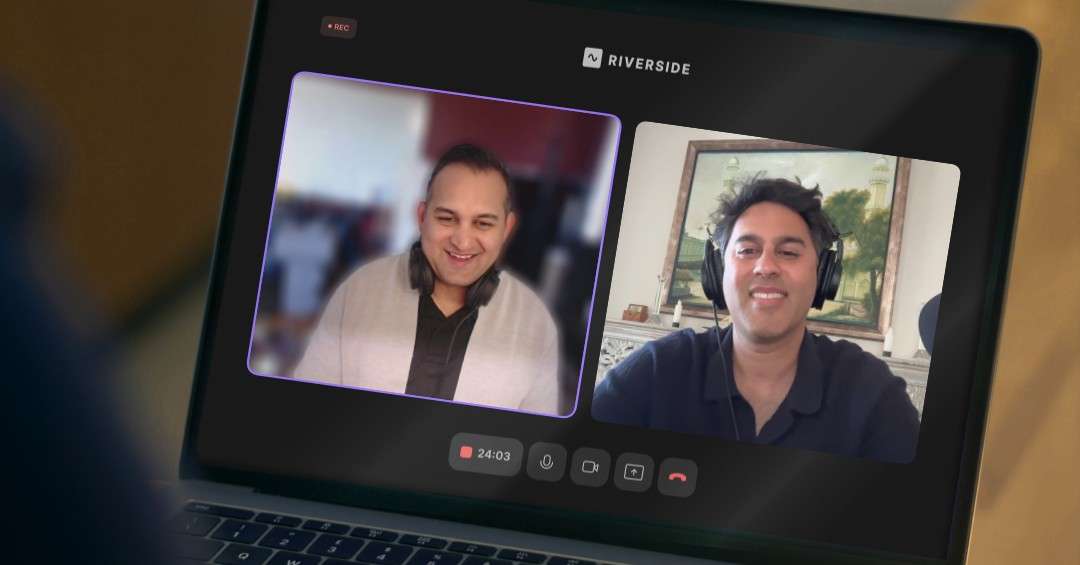
Pankaj Raval and Sahil Chaudry of Carbon Law Group recording Episode 60 of Letters of Intent on Riverside, discussing the Elon Musk versus OpenAI lawsuit, the statute of limitations, and why documented agreements protect business owners.
An $800 billion lawsuit dismissed on a technicality. Pankaj Raval and Sahil Chaudry break down why Elon Musk lost to OpenAI and what every business owner should learn about deadlines and documentation.

What the Musk vs. OpenAI Case Was Actually About

In broad strokes, Elon Musk argued that OpenAI was meant to be a charity. On that basis, he donated $38 million in the company’s early years. He claims that money came with an understanding: OpenAI would prioritize AI safety and open-source technology.

Fast forward to today. OpenAI is now positioned for an IPO that could be one of the largest in history. Musk essentially argued that the nonprofit he funded had taken his donation and converted it into a for-profit enterprise worth hundreds of billions.

That is a fascinating legal question. Unfortunately, the jury never got to rule on it.

Here is why. The jury found that Musk simply waited too long to sue. From the moment he became aware of the alleged breach, a legal clock started ticking. He had a limited window to file his claim. By the time he actually sued, that window had closed.

The court did not decide whether OpenAI abandoned its mission. It did not decide whether Musk’s donation came with strings attached. The case was dismissed purely on timing. As Sahil put it on the show, Musk lost on the basis that the statute of limitations had expired on his claim.

For a dispute involving hundreds of billions of dollars, losing on a calendar technicality is remarkable. But it is also a powerful warning for everyone else.

The Statute of Limitations: Why the Clock Is Always Ticking

Let us talk about the concept at the center of this case. The statute of limitations is a legal deadline. It sets the maximum amount of time you have to file a lawsuit after a dispute arises.

Miss that deadline, and you lose the right to sue. It does not matter how strong your case is. It does not matter how clearly you were wronged. Once the clock runs out, the courthouse door closes.

In Musk’s case, the clock started the moment he became aware of the alleged breach. That is the key detail. The deadline does not begin when you finally decide to take action. It begins when you knew, or reasonably should have known, that something was wrong.

There is also a related doctrine called laches. This applies when you sit on your rights too long and, as a result, lose them. Both concepts exist for the same reason. The law encourages people to pursue claims sooner rather than later. It does not reward a wait-and-see posture that drags on for years.

Why does this matter to a small business owner? Because this exact issue comes up constantly. Maybe a vendor breached a contract two years ago. A former partner might have walked away with something that belonged to the business. Perhaps a client never paid an invoice. In each case, a clock is ticking, and most owners do not realize it.

Sahil noted that clients often ask the firm to draft demand letters during a conflict. That works for a while. But there is only so long you can negotiate before it becomes time to file a lawsuit or lose the right entirely. If you are sitting on a potential claim, time is not on your side.

How Public Statements Sank Musk’s Case

Here is one of the most striking lessons from this entire battle. Elon Musk’s own public statements helped prove that his lawsuit was filed too late.

Musk is famously vocal. He posts constantly on X, the platform he owns. Over the years, he publicly criticized OpenAI and its shift away from its original mission. Those posts created a clear, dated, public record of when he became aware of the issue.

Think about how damaging that is to a statute of limitations argument. To win, Musk would have needed to show that he only recently discovered the breach. But his own tweets, interviews, and public criticisms proved otherwise. The record showed he knew about the issue years earlier, well outside the filing window.

For agreements, the deadline is generally three years for unwritten claims and four years for written ones. Musk’s public trail placed his awareness far outside those limits.

The lesson for business owners is simple but easy to overlook. Your public statements can be used as evidence. Your social media posts, your emails, and your public comments can all establish what you knew and when you knew it.

If you are building toward a potential legal claim, be aware that your digital footprint tells a story. A casual post complaining about a business partner could later become proof that your own clock started ticking long ago. This is one more reason to involve legal counsel early, before you talk yourself out of a valid claim in public.

Why Handshake Donations and Undocumented Deals Are a Liability

This case is a masterclass in the dangers of undocumented expectations. Musk says his $38 million donation came with conditions. OpenAI’s legal team countered that there was no testimony or evidence showing Musk placed any restrictions on the money.

That is the entire problem in one sentence. If the conditions were never written down, they are nearly impossible to enforce.

Without documentation, the nonprofit’s board was generally free to use that money as it saw fit. That included creating a for-profit subsidiary, issuing shares, and eventually pursuing an IPO. Musk’s unwritten expectations, however genuine, carried little legal weight.

The $38 Million or $38,000 Principle

This is where so many businesses get into trouble. Picture a scenario that plays out all the time. You give a fellow entrepreneur capital to launch a venture. Both of you understand it is for a specific purpose. Because you trust each other, nobody writes it down. Two years later, the money went somewhere else entirely, and you have no way to prove your intent.

The principle applies whether you are moving $38 million or $38,000. If you attach conditions to money, those conditions must be in writing at the time of the transaction. A donation with strings, an investment with milestones, a loan with repayment terms: all of it needs documentation.

Sahil offered an important related insight. You do not always know how you will view your business partners a few years from now. At the start, everyone is aligned and excited. Relationships feel solid. But circumstances change, and the gloves can come off. The time to document your intent is while everyone is still getting along, not after the conflict begins.

At Carbon Law Group, this is one of the most common issues we help clients avoid. Getting your agreements in writing, at the right time, is the single most reliable way to protect your interests.

The Nonprofit Loophole Everyone Is Misunderstanding

A lot of headlines claim OpenAI “converted” from a nonprofit into a for-profit company. According to Sahil, that is not actually what happened, and the distinction matters.

Here is the reality. The OpenAI nonprofit still exists. Nonprofits do not have shares, and nobody can own them. A board of directors governs them, and state attorneys general regulate them under strict rules. You cannot invest in a nonprofit or take it public.

So how is OpenAI heading toward a massive IPO? The nonprofit created and controls a separate for-profit subsidiary. That subsidiary can issue shares, distribute dividends, and earn profit. For years, it operated under a capped-profit model, with the nonprofit holding control and limiting how much profit the for-profit arm could pursue.

Now that cap is being removed. The for-profit entity is recapitalizing into a public benefit corporation while the nonprofit keeps control. That structural step is what unlocks the path to going public.

Here is the part worth appreciating. OpenAI is able to pursue this IPO because the company documented everything correctly, every step of the way. They started as a nonprofit, accepted donations, created a controlled for-profit subsidiary, and papered each transition properly. As Sahil described it, this was a remarkable exercise in careful lawyering.

The contrast could not be sharper. OpenAI documented its structure meticulously and is now positioned for a historic IPO. Musk relied on undocumented expectations and lost on a technicality. Same situation, two completely different approaches to legal documentation, two completely different outcomes.

What Pending Litigation Does to a Company’s Value

There is another lesson buried in this story, and it speaks directly to founders thinking about their own exit someday.

Musk’s lawsuit was an existential threat to OpenAI. He sought a court order to unwind the company’s ability to pursue a for-profit mission without a cap. He even demanded the removal of CEO Sam Altman and president Greg Brockman. Had the case proceeded on the merits, it could have derailed everything.

That is why the dismissal matters so much. The lawsuit was the last major roadblock standing between OpenAI and a valuation approaching one trillion dollars. With the legal threat cleared, the company can move toward one of the largest public offerings in history.

Consider the stakes involved. Greg Brockman’s stake in the for-profit subsidiary is reportedly close to $30 billion. Microsoft invested $13 billion between 2019 and 2023, a stake later valued at around $135 billion. A single unresolved lawsuit hanging over the company could have threatened all of it.

The takeaway for business owners is clear. Pending litigation suppresses value. If you are ever planning to raise capital, sell your company, or go public, unresolved legal disputes become a serious liability. Buyers and investors discount what they cannot predict. A lingering lawsuit creates exactly that kind of uncertainty.

This is one more reason to resolve disputes early and keep your legal house in order. The cleaner your legal standing, the more valuable your business becomes when it matters most.

Protect Your Business Before the Clock Runs Out

So what should you actually do with all of this?

First, do not sit on your rights. If you believe you have been wronged by a partner, vendor, or client, talk to a lawyer promptly. The statute of limitations is real, and the clock may already be running. Waiting can quietly cost you the entire claim.

Second, put everything in writing. Whether you are making a donation, an investment, or a simple business arrangement, document the terms at the time of the transaction. Unwritten expectations are nearly worthless in court.

Third, get the right legal counsel involved early. The smartest move Musk could have made was to consult counsel the moment he sensed a breach. A good attorney would have flagged the deadline and helped him act in time.

At Carbon Law Group, we help founders and business owners across Los Angeles document their agreements, protect their rights, and act before deadlines expire. We guide clients on structuring nonprofit and for-profit entities, drafting enforceable agreements, and resolving disputes before they become catastrophic.

Your agreements are only as good as the paper they are written on. Document everything, act promptly, and get proper counsel to guide you.

Contact Carbon Law Group today at carbonlg.com to schedule a consultation. Do not let a technicality cost you what you have built.

🔗 Learn More
Website: carbonlg.com

Why Elon Musk Lost to Open AI

Screenshare(00:00)
There’s rumor your people I will say they were asking that the first question and we want we want to get really nerdy about innovation the first question though that everybody was asking is all right ask Elon we had one of the great cases in the world of innovation over the last few weeks what’s Elon’s verdict on the verdict today? ⁓ that that the case in Oakland yes.

So, but I do think it’s somewhat of a previous situation because, you know, what happened was by degrees, it wasn’t stolen all at once, was stolen one piece at a time. And so we have to say like, well, was there really even a basis for legal action before, you know, probably to the stolen? don’t think there is actually. So.

You know, like the first step, I don’t know if belabor this point, but the first step into adding a for-profit thing had a cap for-profit and was at a small scale. And also that all stock would revert to the charity upon the invention of artificial general intelligence. That clause has now been removed. So it will continue to be a for-profit after developing artificial general intelligence.

That removal was quite recent, just in last few weeks. So, at this point, it is, ⁓ an $800 billion full-profit company, somehow, from a non-profit. And think this is a dangerous precedent to set, because if it means that someone can start, take money as a non-profit, convert that to a full-profit when it’s successful, it undermines all charitable giving in America.

It certainly would. You’d see a lot of people starting to start nonprofits with a path towards for-profit. Exactly. What do you get to lose? Exactly. You said on X you’re appealing, optimistic about the appeal? Yeah, I think we necessarily have to appeal because this will become precedent, you know, which people can actually then essentially allude to charities and use this case as a basis for doing so, which I think would be wrong.

Pankaj Raval (02:14)
Welcome back to Letters of Intent, where we talk about the latest happenings in law, tech, and AI, other things. This is the podcast for dealmakers and risk takers. So if you are one of those, this is the right place to be. joined by my co-host, Sahil Chaudry today. Sahil, how are you doing?

Sahil (02:30)
I’m doing great. was a fascinating interview that we just watched with Elon Musk talking about how a jury rejected his claim against it’s actually I think it’s much more complicated than it appears.

Pankaj Raval (02:40)
Absolutely.

Absolutely. This is one of the biggest that we’ve seen in a while regarding of the behemoths in AI. We got Musk on one hand with xAI and him being one of the founding partners of OpenAI. And now we’ve got this $800 billion in OpenAI, which this one of the biggest impacts of any case we’ve seen in a long time.

So tell us, let’s go for the viewers who have not been going on here, tell us a little bit is this case all Why did Elon Musk even bring this case in the first place?

Sahil (03:14)
in broad strokes, Elon Musk is effectively saying that open AI was meant to be a charity, and on that basis, he donated $38 million, and that today open AI is looking at an IPO, probably one of the largest in history. so that’s of the matter is Elon Musk is effectively saying, well, I gave money to an organization a nonprofit.

And that nonprofit has now effectively stolen those funds and converted them into a for-profit enterprise. And that’s a very interesting question. And unfortunately, we’re not getting to hear jury deliberate on the actual matter because we’re dealing foot fault, a technicality where essentially the jury says from the moment Elon Musk knew that there was a breach.

That was the point he was allowed to file a lawsuit on this basis with this claim that charitable funds were being stolen.

Okay, so the core issue here is that Elon Musk did not lose on the basis of the lawsuit. He lost on the basis of timing. he lost on the basis that the statute of limitations has expired on his claim. So we really didn’t get a get into the issues here. we’re just basically clearing the pathway for

Open AI to go public. And this was really the last roadblock. And it’s being defeated on the basis of a technicality. It’s really remarkable.

Pankaj Raval (04:39)
Yeah,

really, really interesting case. Yeah, exactly. He said he’s going appeal it. So we’ll where that gets I don’t know if there’s really going to be strong grounds for the appeal because, you appeal, win those based on an error in the interpretation of the law. But I think the interpretation of law is correct, think fundamentally one of the biggest issues here is that, Elon being such a public figure and being so vocal,

X, I think has also sunk his case because it’s clear there’s many, many public records of when he knew about this issue, when he started criticizing OpenAI. We can point to those dates and those tweets of when that then say, hey, you knew about this many, many years more than three for all agreements or more than four for written agreements. So than four years, if there’s a written agreement in place,

he kind of loses on statute of limitations argument. something really to think about here for everyone else, when you have claims against other parties, are you sitting on them too long? it happens a lot and people, a extremely consequential element of the law that people need to be aware of. of limitations, also something called latches, where you sit on your rights too long and now you lose them. So, Sahil, before we jump into it, I want to kind of recap. Yeah, go ahead.

Sahil (05:43)
Yeah.

Yeah, no, I do think that it’s interesting that the point that the statute of limitations the when the clock starts ticking is at the point of awareness in this case. So you could say that is sort of a subjective standard or it’s difficult to determine when does someone actually become aware. When can you measure that someone’s

mind has been made aware of certain circumstances. But in this case, like you said, there’s plenty of evidence of awareness. we have a lot of public posts, we have interviews, we have all of this knowledge and awareness that it’s interesting that that is now coming into play as part of whether or not this lawsuit could even go forward. So I think something that’s not intuitive and

You really have to understand the law to know that that’s going to be barrier to your lawsuit.

Pankaj Raval (06:32)
Absolutely, absolutely. And it’s good to know for context for all our listeners that even why we have a statute of limitations. It’s really to encourage people to pursue sooner rather than later and not sit in a kind of wait and see posture for many years and to see if something the other party. It encourages to take action.

quickly if they want to a wrong. I think it gives some finality, right? after some operating for five years, you don’t have to keep on looking over your shoulder saying, oh, did we do something wrong and something to come after us because of some claim they had, they only have a certain amount of do that. And that allows also companies to kind of move forward with a little bit And in this case,

means IPO for open AI this is gonna be hanging over their head forever, you could infer what that might mean for valuation of any company if they have potential perpetuity. So today we’re gonna jump into kind of three main topics and one of them why handshake donations are a massive liability when it comes to nonprofits. I know Sahil, you’ve done a lot with nonprofits.

Sahil (07:22)
right.

Pankaj Raval (07:33)
well as this guiding clients on how to structure for-profit, non-profit entities. It’s a big area of law. How pending litigation destroys public valuations and what every founder can learn from the most expensive statute of limitations case in Silicon Valley history. So let’s jump into it, Sahil. So first, we talked a little bit about the statute of limitations issue already, but tell us a little bit more about like what did

jury why did they find it?

Sahil (07:58)
Well, so this Oakland jury, this was a federal jury in Oakland, rejected Musk’s claims against OpenAI. and the jury found that Musk simply waited too long to sue the company. the jury didn’t even address Musk’s central claim that open AI abandoned its mission, which that would have been really interesting to see if that was deliberated, which was had

Did OpenAI abandon its mission to benefit humanity by pursuing maximum commercial profits, in this case by going public?

We just watched Musk be very frustrated that his case was not able to be deliberated upon and that he’s not getting a verdict based on the facts. He’s actually having a dismissal based on the law. he’s been expressing that he’s very frustrated that a judge and jury never actually ruled on the merits of the case. case is being dismissed on a calendar technicality. and I do want highlight here that

have worked nonprofits, and one thing I want to highlight for our audience here is that nonprofits don’t have shares. So what we’re talking about here is actually there is a nonprofit open AI, which is still in existence. But what we’re talking about here is a for-profit wing of open AI, a for-profit subsidiary that was formed, and that was a capped profit.

Enterprise. So the nonprofit was in control of the for-profit enterprise, and that for-profit entity had a capped profit provision. But now what’s happening is that for-profit entity is no longer going to have a cap profit provision and it’s going to go public.

So that entity can have shares, whereas a nonprofit itself has no shares. It has a board of directors, it can have officers, but a for-profit can have shares, can distribute dividends, earn profit. And what Musk is really contesting here is that for-profit capped profit entity is now no longer gonna have a cap.

Pankaj Raval (09:51)
Right, exactly.

Sahil (09:52)
And

unfortunately, we’re not going to get the crux of the issue because of the statute of limitations the doctrine of latches. But legal clock started the moment that Musk became aware of this transition. And if he wanted to claim that his donation to open AI was based on a nonprofit model that OpenAI is no longer adhering to, then

He had to do it within the statute of limitations.

Pankaj Raval (10:17)
Absolutely, absolutely. Yeah he didn’t do that. Yeah.

Sahil (10:20)
And this issue, comes up all the time with our clients where if you have a commercial dispute, there’s a statute of limitations there. If you have some kind of ⁓ grievance against any party, you need to know that the clock is ticking. You don’t have forever to file that And so we have a number of clients who, for example, will want us to draft demand letters a conflict, but

Pankaj Raval (10:36)
Absolutely.

Sahil (10:44)
there’s only so long we can do that before it becomes time to file lawsuit, or we’re gonna lose the right to file lawsuit. So for our audience, I think there’s an interesting lesson here that we can pull, which is make sure you don’t sit on your rights because you will be punished for that. And in this case, this is a very expensive mistake to miss this. And it’s kind of surprising that Musk’s lawyers didn’t pick up on this earlier.

Pankaj Raval (10:58)
Absolutely.

Yeah, exactly. It is Musk has the money, but interesting that no one encouraged him in a circle to maybe take some action sooner. God knows how many orders he has working for him. So, interesting. So on to the next segment, which is around charities and nonprofits. Why is this case so interesting from a nonprofit charity perspective?

Sahil (11:24)
Well, nonprofits are regulated by the state attorney generals and they have to adhere to far more rules than a for profit entity. And the nonprofit entities do not have any equities within them, so you can’t actually invest in a nonprofit. but the leadership of a nonprofit is governed by a board of directors.

And so when people talk about owning a nonprofit, that’s actually not possible. So in this case, even open AI, the nonprofit, you can’t own shares in that. So the way that open AI is now transitioning into a for-profit entity, there’s actually not a conversion happening here. There is, in fact, a for-profit entity and a nonprofit entity, and the for-profit entity is under the nonprofit’s control. But now

The for-profit entity is about to go public, and Musk made a $38 million donation in the company’s early years. And Musk claims that this money came with a requirement to prioritize AI safety and open source technology. However, OpenAI’s legal team has countered that there is no testimony or evidence that shows Musk placed any kind of restrictions on his donations. And so the board, the nonprofit, is

Able to do what it wishes with that money, which includes having a for-profit wing, having a for-profit company that does have shares that has the potential to go public. and at the time and up until this point, has been a capped-profit model. now they’ve argued that the open AI team has argued that he failed to prove there were any perpetual commitments made by open AI leaders to remain purely a

And I think this goes to show, there many lessons here, but one of the those lessons is you don’t know how you’re going to view your partners a few years from now. initially everything looks great. people are getting along. You have Sam Altman, Elon Musk, of industry and tech who are

Building something when it comes to open AI. And then you see the gloves come off years later, and they’re in a massive conflict. And now Musk is trying go back and kind of either he’s re-characterizing his donation, or if he’s not, he’s trying to attach strings to that donation that just didn’t exist at the time. So even though it’s very difficult to do, if you can.

Pankaj Raval (13:31)
Absolutely.

Sahil (13:34)
Try to have the foresight of knowing that your relationship with the people you’re getting into business with might not be what you think it is, might not be what it is today. And so I think it’s very important to know that things can change. the second thing is if you’re going to attach some kind of conditions to a donation, and that especially includes when you’re, let’s say you’re drafting terms in a trust.

you’re providing a donation, you have to make sure that those terms are written down and they’re written down at the time of making the donation. So that’s a very important lesson that we’re pulling out of very expensive mistake. and then the other thing is, yeah, I effectively, handshake deals, undocumented deals, they’re gonna come back to bite you. if you want to attach your donations to some kind of terms.

Make sure you put that in writing.

Pankaj Raval (14:24)
Absolutely. So Sahil we’ve actually dealt with this directly, right? We’ve have clients who enter into LOIs thinking that they’re acquiring a nonprofit the assets from a nonprofit. clear understanding the nuances here. So as a corporate lawyer, fix this? How would you have fixed this issue that Elon Musk is running into today?

Sahil (14:27)
Yes.

That’s a good question. at the moment that he determined, he considered that there was a breach in the pursuits of open AI, that was no longer pursuing AI safety and open source technology and was moving towards a commercial mission. That’s the point that a lawsuit should have been filed. And today,

you would also want to try if you wanted to retroactively, there are ways you can retroactively characterize something. You could put something in writing that says, look, this was the intent at that time. We’re signing this today. We’re ratifying this today, but we’re ratifying previous actions and previous intent. It’s not to say that OpenAI would have agreed to that, but it is to say that is a transactional way of solving problems when you’re trying to deal with.

activity from the past. It’s basically through ratification. but in this case, the Musk posted something on X about open AI deviating from its nonprofit mission, that was the point that the lawsuit should have been filed.

Pankaj Raval (15:32)
Yeah,

Yeah, or at clock started ticking that he should have filed it. Yeah, Because the argument a tolling of the statute of you didn’t know about the claim until later. But that could also be rebutted and saying no, the contract or the agreement, the money was provided on this date. That’s when the tolling, that’s when this agreement started. So you have either three years or four years, depending on what was in writing from the date that kind of the contract took effect.

Sahil (15:44)
The clock started ticking, that’s right.

Pankaj Raval (16:07)
bring a claim. There’s arguments that could potentially extend your time, but you shouldn’t rely on them wholeheartedly because the judge could easily find the opposite or a jury in this case. go to next segment, which is, what does this mean in terms of OpenAI’s IPO?

Sahil (16:16)
Exactly.

Huge. is big news for OpenAI. This was the last major roadblock to their IPO. is going to be worth billions for OpenAI and Wall Street, underwriters who are gonna back this lawsuit was an existential threat to open AI because he sought a court order to unwind the company being able to pursue

for profit mission without any kind of cap that was baked into for profit charter. And he also demanded the removal of Sam Altman and Greg Brockman. but the lawsuit’s dismissal removes a massive barrier, just as the company eyes a public offering with a valuation that is approaching one trillion dollars.

what we’re really seeing here is this was the last roadblock to a potentially a nearly trillion dollar This is going to be one of the largest IPOs history to date. it remarkable this kind of of starting off as a nonprofit and then that to go public. And now

It it’s more complicated. I mean people of referring to this as well open AI has converted from a non-profit to a for-profit, but not actually what’s happening here. There is still a non-profit.

I’ve been reading a lot of articles that are mischaracterizing what’s happening here what what just happened is the last roadblock to a nearly trillion dollar valuation for open AI has been defeated.

And what is remarkable, and Musk, even though this isn’t a legal argument, I mean, conceptually, it is very interesting that an organization that started with a nonprofit mission is about to have one of the largest IPOs in history. so how did that happen? Well, it’s because people are describing this as a conversion, but it’s not a conversion. There is a nonprofit entity that still exists, and there’s a for-profit entity that exists. It’s just that the cap on the for-profit

That has been controlled by the nonprofit is going to be removed, removing any profit-seeking barrier for Open AI, the for-profit entity. So actually, the remarkable thing is the reason OpenAI is able to go public is because they actually did do things right every step of the way.

They started with a nonprofit and they received donations for that nonprofit. And then they opened up a for-profit company that has a commercial mission, but that commercial mission was still controlled by the nonprofit and had some kind of nonprofit caps to profit seeking. So they papered this every step of the way. And at this point now, before it’s about to IPO,

They’ve done everything right so that they can phase out any of those caps that would have prevented OpenAI, the for-profit entity, to pursue an IPO. And that is that’s actually amazing legal maneuvering that step by step they found a way to take this non-profit origin for a company

Pankaj Raval (19:07)
Mmm.

Sahil (19:17)
they’ve step by step phased this for-profit company so that it can pursue an IPO. I think that’s actually brilliant lawyer.

Pankaj Raval (19:24)
Mm-hmm. Yeah, I love it. Yeah, so interesting. Yeah, I the way they structured is fascinating in terms of what this means valuation of this company because it could be a trillion dollar IPO, like you the red carpet is rolled out for them to take this next step.

Sahil (19:41)
We’ve got the president Greg Brockman, his stake in the for-profit sub is close to thirty billion dollars. The former chief scientist, Ilya Sutzkever holds equity worth about seven billion dollars. Microsoft invested $13 billion between 2019 and 2023. and as of October, that stake was valued at $135 billion. we’ve

Basis of a company, a subsidiary of a nonprofit is about to have one of the largest IPOs in history. Elon Musk does have a point, but it’s just that this was brilliantly lawyered. where they have OpenAI in a completely compliant way built a for-profit business that is.

still controlled by the nonprofit. And so it’s a a remarkable exercise in lawyering.

I just want to highlight this point for our audience that it’s not that open AI converted from a nonprofit to a for-profit. Open AI recapitalized, it turned its capped profit subsidiary into a public benefit corporation while keeping the nonprofit in control. And that step

Of knowing that this Open AI is a subsidiary of the nonprofit, that’s what has unleashed this really powerful engine for profit. And that’s a dichotomy we don’t usually see. That’s why this is such a remarkable story.

Pankaj Raval (21:01)
Yeah, absolutely. a great summary. So is this the end? it doesn’t seem like this is the of this story though.

Sahil (21:09)
Yeah, I don’t think so. at least in the interview we just saw, Musk is planning on an appeal, but I don’t see how his appeal makes it past the motion to dismiss on the basis of the statute of limitations. So maybe he’s gonna, a brilliant lawyer who can find a way to get him back in the game, but what I feel like if we look at it from a human perspective, this is really about who controls.

Pankaj Raval (21:19)
Absolutely.

Sahil (21:30)
The future of AI. Musk has his own AI platform that he’s launched as well, through X. And so I think this is really about a battle between two brilliant entrepreneurs. And there can only be one who is going to be controlling the future of AI. And I think that’s what really what this is about. And even though Musk probably will file an appeal.

I don’t see how he makes it past the first gate of the statute of limitations.

Pankaj Raval (21:55)
you have a claim, if you’ve been wronged, if you have a grievance against partners or others, do not sit on your rights. you’re going to take anything away from today, make sure you get the right counsel who can guide you, who can analyze your issue and understand what are the issues you consideration.

time is very real in the legal world you have very clear deadlines on when you can bring claims what you can and can’t do the statute of limitations as we see today is a powerful sword as well as shield in the world of law that you have to be aware of if you’re going try to enforce or protect your legal rights you are looking for additional insight advice on how

your business, how to protect your business, how to make sure you you are doing in writing. So it is enforceable and you have understanding of what the expectations are regarding money operations. We can definitely help you with that. We encourage you to reach out, like, comment, share. We always love to hear from our listeners and remember that your agreements are only as good as the paper they’re written on. So we encourage you to document everything, make it

Ideally get legal counsel to advise you on the right way to note things so you are protected in the future and you can build your the stars and beyond.

Thank you guys, Sahil, thank you again for a great episode.

Sahil (23:04)
with that said, keep on making deals and keep on taking risks. We’re here for you. Carbon Law Group.

Pankaj Raval (23:04)
with that said.

Get in touch with us

Lead Form Main

The main Lead Form

This field is for validation purposes and should be left unchanged.
Name(Required)

Download Our Free Guide

We respect your privacy. No spam, ever.(Required)